



What's Happening?
The U.S. Postal Service (USPS) has unveiled a new series of commemorative Forever stamps titled 'Lowriders,' as part of its 2026 stamp program. This collection celebrates the cultural significance of lowrider cars, which originated in the 1940s within
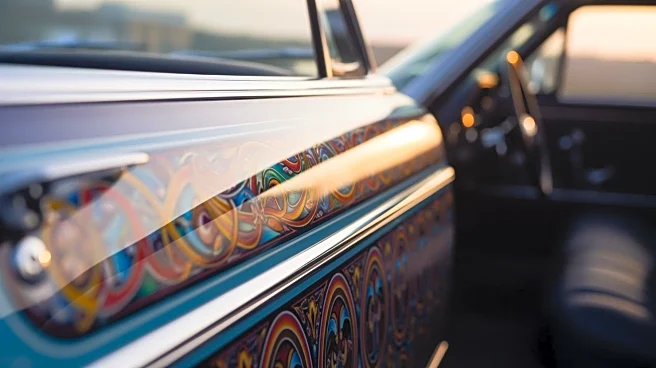
Mexican American communities in the American Southwest. These vehicles are known for their distinctive style, riding low to the ground and often equipped with hydraulic systems for dynamic movement. The 'Lowriders' stamp series features five classic lowrider models, each with unique designs and vibrant colors, reflecting the art and community spirit associated with these cars. The stamps will be available as Forever Stamps, maintaining their value for First-Class Mail regardless of future price changes. The first-day-of-issue event is scheduled for March 13, 2026, at the Logan Heights Library in San Diego.
Why It's Important?
The introduction of the 'Lowriders' stamp series by USPS highlights the cultural and historical significance of lowrider cars in American society. These vehicles are not just modes of transportation but are seen as expressions of identity and community pride, particularly within Mexican American communities. By commemorating lowriders, the USPS acknowledges the contributions of these communities to American culture and history. This initiative also serves to educate the broader public about the rich cultural heritage and artistic expression embodied by lowriders. The stamps, as small works of art, connect people to stories and moments in history, fostering a greater appreciation for diverse cultural narratives in the U.S.
What's Next?
The release of the 'Lowriders' stamps is expected to generate interest and engagement from both philatelists and cultural enthusiasts. The first-day-of-issue event in San Diego will likely attract attendees who are passionate about lowrider culture and its historical roots. Additionally, the USPS may continue to explore other culturally significant themes for future stamp collections, further promoting cultural diversity and historical awareness. The success of this series could encourage similar initiatives that celebrate other unique aspects of American culture and history.