





What's Happening?
Tuolumne River Partners, including the Modesto Irrigation District (MID), Turlock Irrigation District (TID), and the San Francisco Public Utilities Commission (SFPUC), in collaboration with the U.S. Fish and Wildlife Service (USFWS), have commenced construction
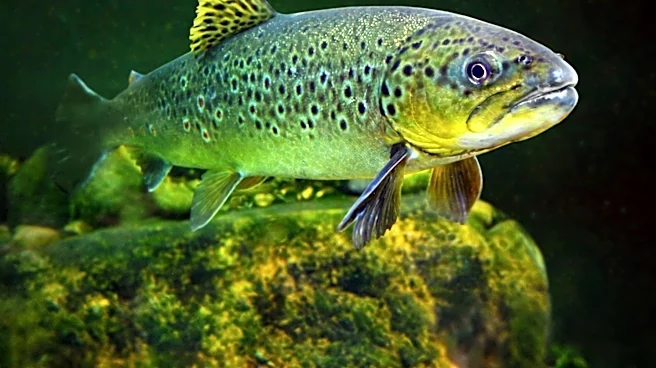
on the Powerhouse Riffles Restoration Project. This initiative aims to improve spawning and rearing habitats for salmon and other native aquatic species in the mainstem Tuolumne River. The approximately $4.7 million, self-funded project will restore habitats damaged by high river flow events in 1997, 2011, and 2017. The restoration involves reconstructing riffles and gravel bars and enhancing in-channel habitat complexity. Riffles are crucial for salmon as they provide oxygenated water, attract aquatic insects, and offer suitable areas for egg-laying. The project will add about 25,000 cubic yards of spawning gravel, creating 4.8 acres of new gravel features and restoring approximately 2,400 feet of the Lower Tuolumne River. Additionally, crews will install around 50 large pieces of woody debris and 80 strategically placed boulders to promote channel complexity, improve sediment sorting, and provide refuge and feeding areas for juvenile fish. This in-water work is anticipated to conclude in October 2026.
Why It's Important?
This restoration project is a significant step in the ongoing efforts to revitalize the Tuolumne River ecosystem, which is vital for the survival of native fish populations, particularly salmon. The health of these fish populations is an indicator of the overall ecological well-being of the river. By restoring spawning and rearing habitats, the project directly addresses the decline in fish numbers caused by past environmental disturbances. The collaborative nature of this project, involving multiple irrigation districts, a public utilities commission, and a federal agency, highlights a shared commitment to environmental stewardship and sustainable water management in California. The investment in science-based solutions and comprehensive habitat restoration programs ensures that the river can continue to support diverse aquatic life, which in turn benefits the broader ecosystem and potentially local economies reliant on healthy natural resources. The project also demonstrates a proactive approach to mitigating the long-term impacts of natural events on critical habitats.
What's Next?
The in-water construction phase of the Powerhouse Riffles Restoration Project is expected to be completed in October 2026. Following this, the focus will shift to monitoring the effectiveness of the restored habitats in supporting salmon and other native aquatic species. The Tuolumne River Partners, with the assistance of experts like River Partners and Applied River Sciences, aim to develop 77 acres of suitable salmon floodplain rearing habitat and add approximately 100,000 tons of gravel in specific river reaches by 2030. This project is part of a larger, historic $80 million commitment by the Tuolumne partners to implement a collaborative, holistic habitat restoration program along the Lower Tuolumne River. Continued collaboration with tribal monitors, such as the Chicken Ranch Rancheria of Me-Wuk Indians of California and the Northern Valley Yokuts/Ohlone tribe, will ensure the protection of sites with tribal significance during future ground-disturbing work. The success of this project will inform future restoration efforts and contribute to the broader goals of the Healthy Rivers and Landscapes Program.
Beyond the Headlines
The Powerhouse Riffles Restoration Project underscores a growing recognition of the interconnectedness between water infrastructure, agricultural needs, and ecological health. The involvement of irrigation districts and a public utilities commission in a significant environmental restoration project highlights a shift towards integrated resource management, where water supply reliability is balanced with environmental conservation. This initiative also reflects a broader trend in California towards collaborative agreements between water agencies and the state to enhance river ecosystems while ensuring water security for communities. The project's emphasis on science-based solutions and long-term investments sets a precedent for future environmental initiatives, promoting a holistic approach to river management. Furthermore, the engagement with tribal communities in protecting cultural heritage sites during restoration work signifies an evolving understanding of environmental justice and the importance of indigenous perspectives in conservation efforts. This project is not just about fish habitat; it's about fostering a sustainable relationship with natural resources for future generations.