



What's Happening?
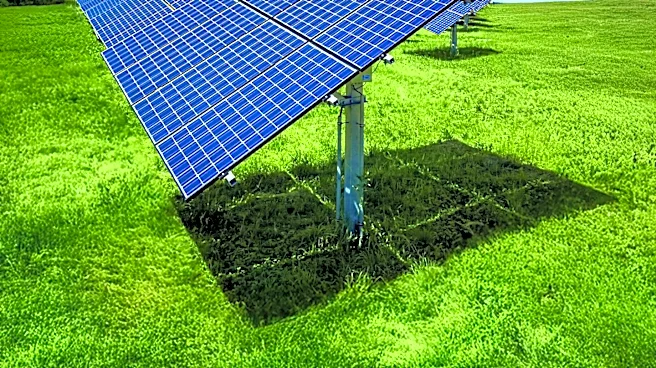
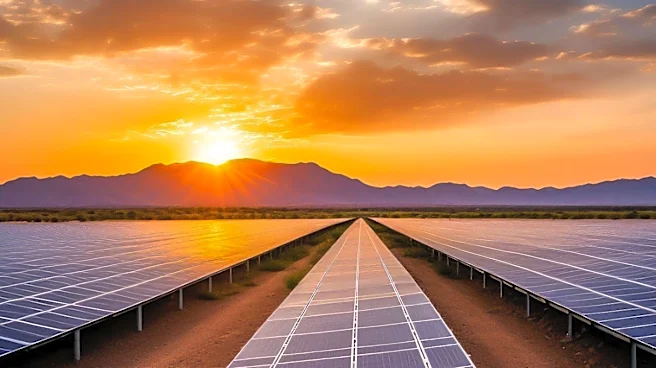
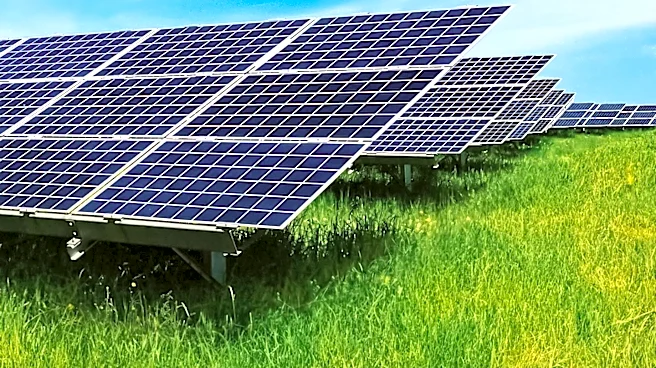
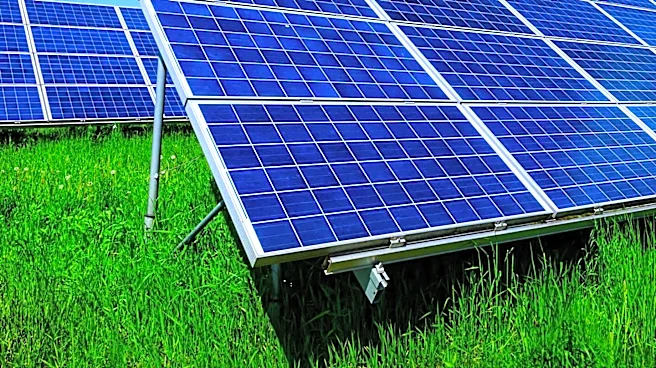
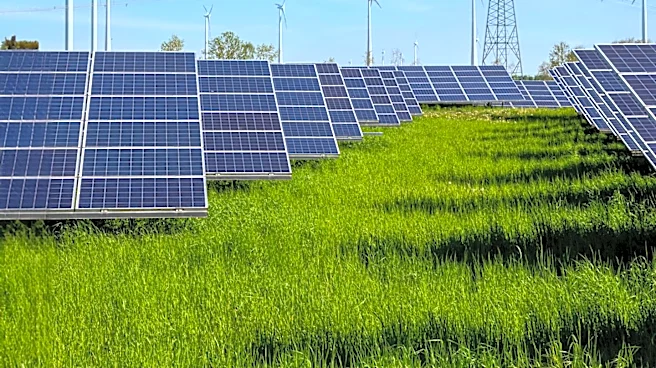
Germany's largest former Soviet military firing ranges, once deemed unusable due to unexploded ordnance, have been successfully converted into significant solar parks since 2009. Developers paid rent in the form of bomb disposal, clearing only the surface
for solar panel installation. The Lieberose solar farm, for instance, became Germany's largest and the world's second-largest at its launch in 2009, with 700,000 thin-film modules. However, the German army has now frozen the handover of 187 former military properties for civilian use, including some of these solar sites, to evaluate their potential return to Bundeswehr control. As of June 2026, 174 sites are under review, and five bases are already being reactivated, signaling a shift in land use policy driven by Germany's rearmament efforts.
Why It's Important?
This development has significant implications for Germany's renewable energy sector and land use policies. The initial strategy of converting contaminated military land into solar farms provided a unique solution for both environmental remediation and clean energy production. The reacquisition of these sites by the military could disrupt future solar development projects on similar lands, potentially slowing Germany's progress towards its renewable energy targets. It also highlights a conflict between national security priorities and environmental sustainability goals. For the U.S., this situation offers a case study in repurposing challenging land for renewable energy, but also a cautionary tale about the long-term security of such projects when national priorities shift. The financial models that made these solar parks viable, based on discounted land and bomb disposal as rent, are now under threat, potentially impacting investor confidence in similar ventures.
What's Next?
The German defense ministry's freeze on converting former military land to civilian use means that the future of many potential solar development sites is uncertain. Officials will continue to evaluate the 174 sites currently under review for potential return to Bundeswehr use. This process will determine which lands will be reactivated for military purposes and which, if any, might still be available for renewable energy projects. Existing solar plants like Lieberose, operating under long-term leases, are expected to continue production. However, the supply of new military land for solar development is no longer guaranteed, forcing developers to seek alternative locations. This shift could lead to increased competition for suitable land and potentially higher development costs for future solar projects in Germany.
Beyond the Headlines
The transformation and subsequent re-evaluation of Germany's former Soviet firing ranges for military use reveal a complex interplay of historical legacy, environmental remediation, energy policy, and national security. The initial innovative approach of using solar development to finance bomb disposal on contaminated land showcased a creative solution to a persistent problem. However, the current shift underscores the dynamic nature of land use and the potential for geopolitical changes to override established environmental and economic strategies. This situation raises ethical questions about the long-term commitment to renewable energy projects when faced with evolving defense needs. It also highlights the broader challenge of balancing economic development, environmental protection, and national security interests, a dilemma that many nations, including the U.S., frequently encounter.