







What's Happening?
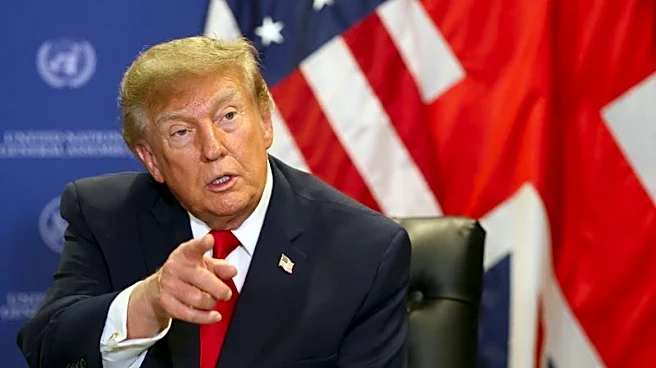
Recent changes to federal student loan rules, enacted through the One Big Beautiful Bill Act signed by President Trump on July 4, 2025, have led to significant delays in loan disbursements for many students. These changes include new lifetime borrowing
limits, lowered aggregate debt limits for graduate students, and the elimination of the Graduate PLUS loan program. Additionally, starting in the 2026-27 school year, loan amounts will be prorated based on the number of credits a student is taking. The new regulations, which took effect on July 1, required major updates to the systems colleges use to administer financial aid. This rapid implementation timeline, with Congress providing less than a year for the Department of Education to issue full guidance, has left many colleges struggling to adapt. Consequently, students like Mikiah Roberson, a graduate student at University of Maryland Global Campus, experienced delays in receiving their expected funds, leading to stress over covering basic living expenses such as rent and car payments. Experts and financial aid administrators attribute these issues to insufficient time for colleges and software vendors to implement the necessary changes, despite the Department of Education stating that final rules were issued in May, allowing time for preparation.
Why It's Important?
The delays in student loan disbursements have critical implications for the financial stability and academic progression of millions of U.S. students. With nearly 60% of students already facing housing or food insecurity, delayed funds can trigger an 'avalanche of financial problems,' forcing students to find temporary solutions for thousands of dollars in budget gaps amidst rising living costs. This situation can severely impact students' mental and emotional health, as well as their ability to focus on their studies, potentially leading to increased dropout rates or academic struggles. The new borrowing limits, particularly the elimination of Graduate PLUS loans and caps for medical students, are also predicted to exacerbate existing shortages in critical professions like doctors and veterinarians. For instance, federal borrowing for medical students is now limited to $50,000 per year and $200,000 total, which is often insufficient to cover the full cost of medical education, potentially deterring qualified students from lower-income backgrounds from pursuing these fields and worsening the projected shortage of 141,000 physicians by 2038.
What's Next?
The full impact of these new student loan rules, particularly the borrowing caps, may not become entirely clear for several years, as many currently enrolled medical students are protected from some of the immediate changes. However, experts anticipate that disbursement delays will likely continue into the fall semester as schools work to catch up with the new regulations. Colleges are still awaiting comprehensive guidance and clarifications from the Department of Education, with some formal guidance, such as on prorating loans, only released weeks before classes began. This ongoing uncertainty and the condensed timeline for implementation suggest that students, especially graduate students and those enrolled part-time, may continue to face confusion and financial anxiety. Major stakeholders, including higher education organizations, have previously called for a delay in implementation until July 1, 2027, to allow for a more orderly transition, indicating potential continued advocacy for adjustments or further guidance from the Department of Education and Congress.
Beyond the Headlines
The current challenges highlight a deeper systemic tension between legislative intent to curb excessive borrowing and the practical realities of financial aid administration and student needs. The Department of Education views the new limits as a way to address rising tuition costs and reduce student debt, arguing that uncapped federal loans have enabled colleges to raise tuition with few constraints. However, critics contend that the rapid implementation and lack of clear guidance have created a 'fundamental breakdown in the infrastructure that supports federal student aid delivery.' This situation raises ethical questions about the responsibility of the government and educational institutions to ensure timely and predictable financial support for students, particularly those from vulnerable populations. The long-term implications could include a shift in who can access higher education, potentially favoring wealthier students who can cover financial gaps, and a widening of workforce shortages in essential sectors if qualified individuals are priced out of professional degrees.