





What's Happening?
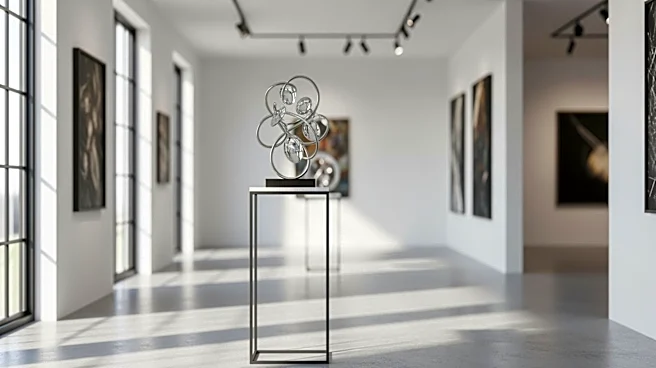
Pittsburgh's art community is experiencing a resurgence as the Carnegie International, the longest-running recurring exhibition in the U.S., draws attention to the city's burgeoning gallery scene. The event features 61 artists and highlights the city's rich
cultural heritage, supported by its museums, universities, and nonprofit organizations. Despite a historically limited number of commercial galleries, recent years have seen new galleries emerge, driven by young gallerists with experience from major art hubs like New York and Los Angeles. This growth is fostering a more supportive and sustainable art environment in Pittsburgh.
Why It's Important?
The development of Pittsburgh's gallery scene is significant for the local economy and cultural landscape. It provides a platform for local artists to gain exposure and for the community to engage with contemporary art. The influx of new galleries can attract art collectors and enthusiasts, boosting tourism and economic activity. Additionally, the city's affordability and supportive community offer a conducive environment for creative endeavors, potentially positioning Pittsburgh as a new art destination. This growth reflects broader trends in the art world, where smaller cities are becoming viable alternatives to traditional art capitals.
What's Next?
As Pittsburgh's gallery scene continues to expand, there may be efforts to establish a dedicated gallery district, enhancing accessibility and collaboration among galleries. The success of the Carnegie International could lead to increased investment in the arts, encouraging more artists and galleries to set up in the city. The local art community might also explore partnerships with international artists and institutions, further elevating Pittsburgh's status in the global art scene. Continued support from local philanthropists and art patrons will be crucial in sustaining this momentum.