



What's Happening?
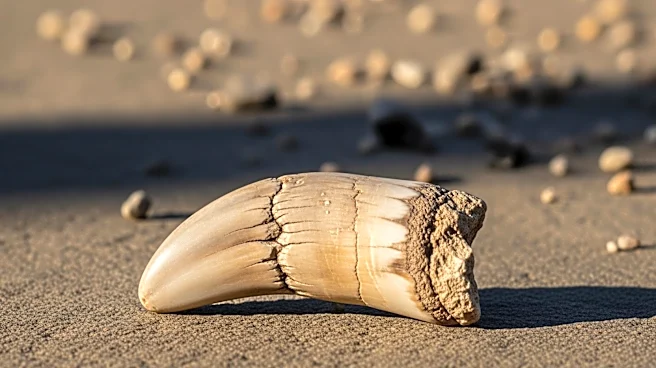
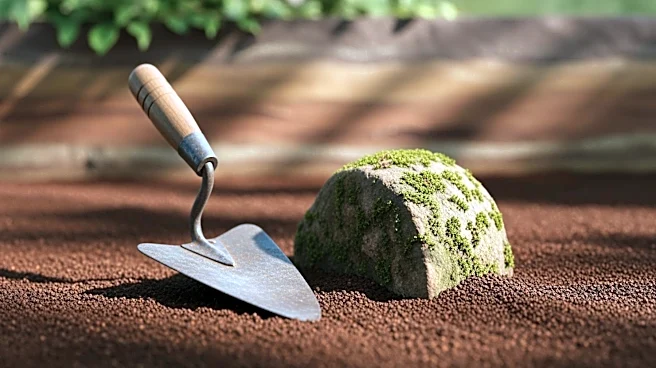
An archaeological dig beneath Notre Dame Cathedral in Paris has unearthed artifacts spanning 1,700 years, offering a glimpse into the city's rich history. The excavation, described as the 'dig of the century,' began after the cathedral's reconstruction
following the 2019 fire. Archaeologists have discovered a range of items, including a 4th-century coin featuring Emperor Constantine and medieval pottery with undeciphered markings. The dig is part of a project to revitalize the area around Notre Dame, which involves planting trees and creating shaded spaces. The excavation site, located in the cathedral's forecourt, has become a focal point for both tourists and historians.
Why It's Important?
This archaeological project provides valuable insights into the historical layers of Paris, from Roman times to the medieval period. The findings contribute to a deeper understanding of the city's development and cultural heritage. The discovery of intact artifacts, such as ceramics and coins, offers a rare opportunity to study the daily lives of past inhabitants. This dig also highlights the importance of preserving historical sites amidst urban development. The project underscores the balance between modern infrastructure needs and the preservation of cultural heritage, a challenge faced by many historic cities worldwide.
What's Next?
The excavation is expected to continue as archaeologists aim to uncover even older layers beneath the current findings. The project is scheduled to be completed by 2028, with plans to transform the area into a green space that addresses climate change concerns. The findings will be preserved and studied further, potentially leading to new exhibitions and educational opportunities. The revitalization of the Notre Dame area is part of a broader effort to enhance Paris's resilience to climate change, with the introduction of trees and water features to cool the urban environment.