


What's Happening?
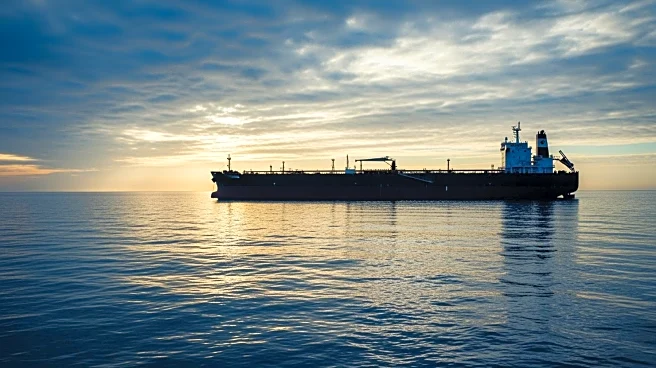
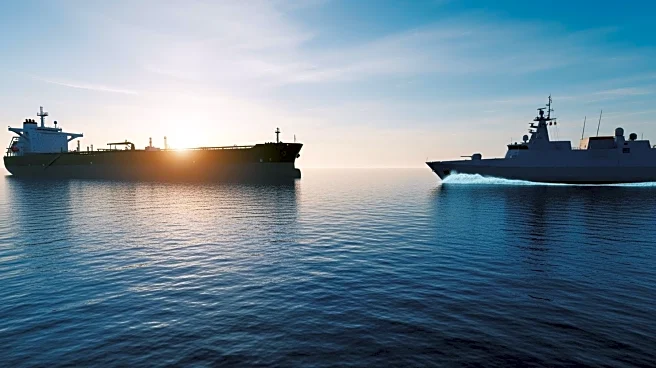
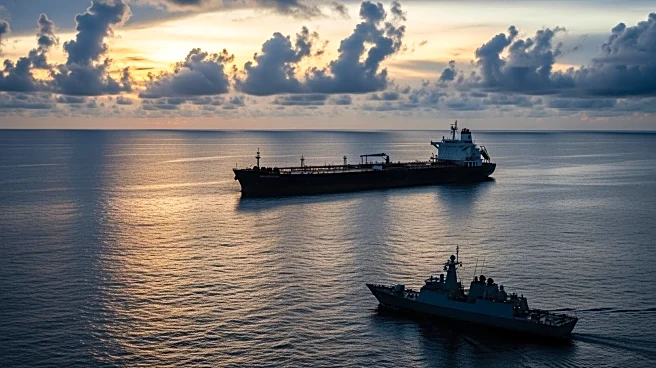
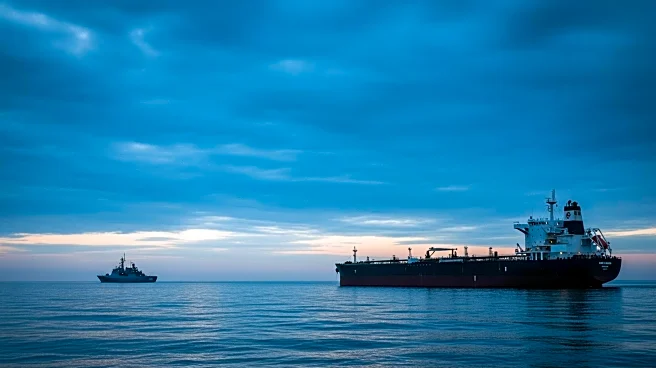
The U.S. military has boarded the Panamanian-flagged oil tanker Veronica III in the Indian Ocean, following its journey from the Caribbean Sea. This action is part of a broader U.S. effort to enforce sanctions on Venezuelan oil exports. The tanker, linked
to Venezuelan, Russian, and Iranian oil shipments, was intercepted as it attempted to evade a U.S.-imposed quarantine on sanctioned vessels. The operation, described as a 'right-of-visit, maritime interdiction and boarding,' was conducted without incident, according to the Pentagon. This marks the second such interception in the Indian Ocean within a week, as the U.S. continues to target illicit oil trade routes.
Why It's Important?
This interception underscores the U.S. government's commitment to enforcing sanctions against Venezuela, aiming to curb the country's oil exports which have been a significant revenue source for the regime. The operation highlights the U.S.'s strategic use of military resources to exert pressure on countries like Venezuela and Iran, which are under heavy sanctions. The boarding of the Veronica III is part of a larger strategy to disrupt the shadow fleet of tankers that have been smuggling oil, thereby impacting global oil supply chains and potentially affecting oil prices. This move also signals to other nations the U.S.'s resolve in maintaining its sanctions regime.
What's Next?
The U.S. is likely to continue its aggressive stance on sanction enforcement, potentially leading to more interceptions of vessels suspected of violating sanctions. This could escalate tensions with countries involved in the illicit oil trade, particularly Venezuela and Iran. The international community may see increased diplomatic efforts to address the implications of these sanctions on global oil markets. Additionally, the U.S. may face challenges in balancing its enforcement actions with diplomatic relations, especially with countries that have economic ties to Venezuela.