






What's Happening?
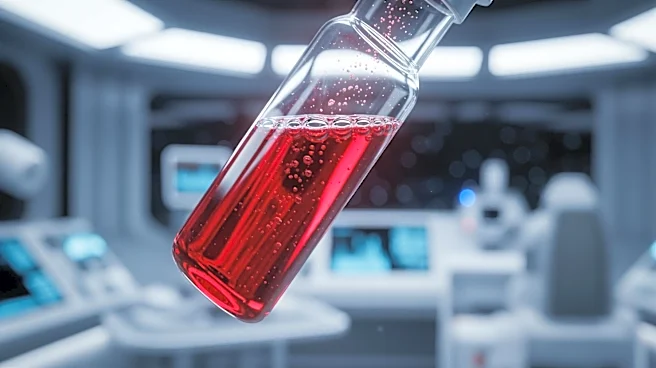
NASA astronauts, including Jessica Meir and Chris Williams, along with ESA's Sophie Adenot, are conducting research on blood clotting aboard the International Space Station. The study focuses on how microgravity affects blood platelets, which are crucial
for clotting and preventing bleeding. This research is part of a broader effort to understand the health risks associated with living in space, such as abnormal blood clots and overactive inflammation. The astronauts are using the Kibo laboratory module's Life Science Glovebox to process blood samples and observe biological changes using the KERMIT fluorescent microscope.
Why It's Important?
Understanding how microgravity affects blood clotting is vital for ensuring the health and safety of astronauts during long-duration space missions. This research could lead to new insights into preventing and treating blood-related health issues in space, which is crucial for future missions to the Moon and Mars. Additionally, the findings may have implications for medical treatments on Earth, potentially leading to advancements in managing blood clotting disorders. The study highlights the importance of space research in contributing to both space exploration and terrestrial healthcare.
What's Next?
The research on blood clotting will continue as part of NASA's ongoing efforts to study the effects of microgravity on human health. The results of this study may inform the development of new medical protocols and technologies to protect astronauts on future missions. NASA will likely share its findings with the broader scientific community, potentially leading to collaborations and further research. The space agency will also continue to conduct other health-related studies aboard the International Space Station to address various challenges associated with space travel.