




What's Happening?
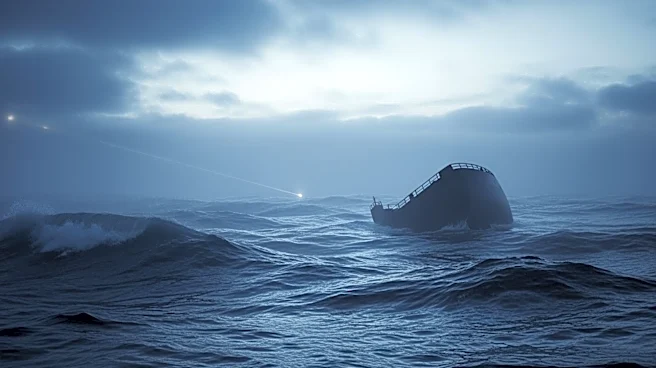
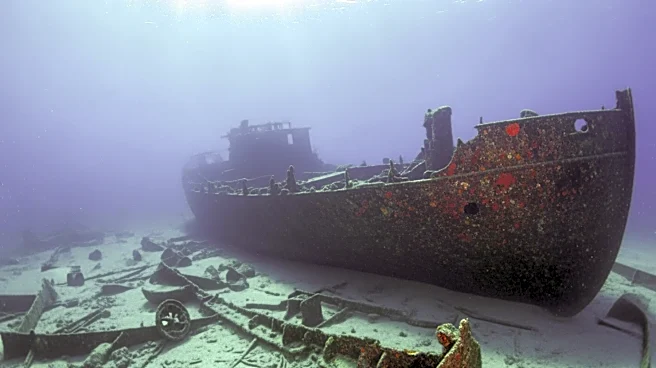
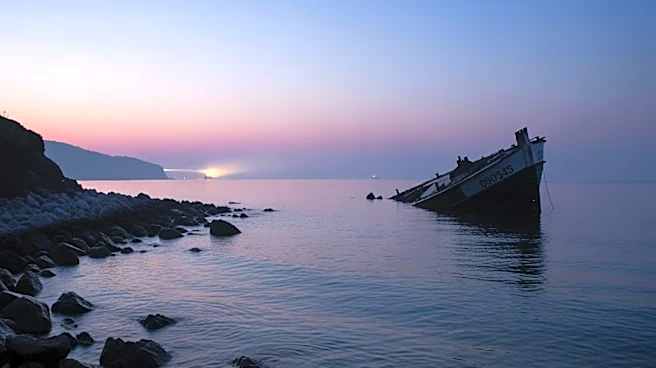
The wreck of the U.S. Coast Guard Cutter Tampa, sunk by a German submarine in 1918 during World War I, has been discovered off the coast of Britain. The ship was located by the British diving team Gasperados, marking the end of a three-year search. The Tampa was torpedoed
in the Bristol Channel, resulting in the largest single loss of life on a U.S. combat ship during the war, with 131 service members killed. The discovery was confirmed by the U.S. Coast Guard, which had provided archival information to assist the search. The ship's sinking had left a lasting impact on the Coast Guard, and the discovery of the wreck provides a sense of closure and connection to the past sacrifices of its crew.
Why It's Important?
The discovery of the Tampa's wreck is significant for historical and military communities, as it resolves a century-old mystery and honors the memory of those who perished. It highlights the enduring impact of World War I on military history and the importance of preserving and understanding historical events. The find also underscores the advancements in underwater exploration technology, which allow for the recovery and study of long-lost shipwrecks. For the families of the victims and the Coast Guard, the discovery offers a tangible link to their ancestors' bravery and service, reinforcing the values of duty and sacrifice.
What's Next?
The U.S. Coast Guard plans to conduct further underwater research and exploration of the Tampa using robotics and autonomous systems. This will likely involve detailed mapping and documentation of the wreck site to enhance historical records. The discovery may also lead to commemorative events or memorials to honor the crew. Additionally, the find could inspire further searches for other lost vessels from World War I, contributing to a broader understanding of naval history and the war's maritime legacy.