



What's Happening?
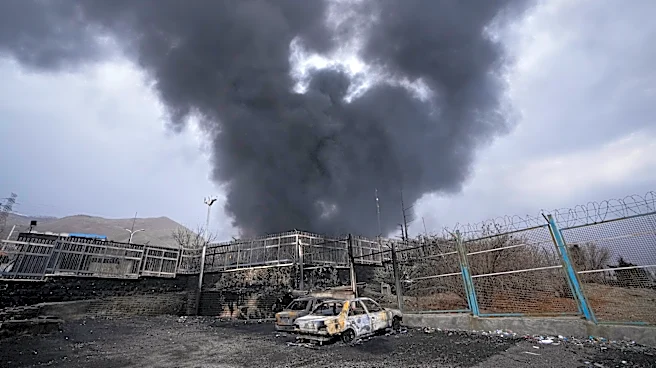
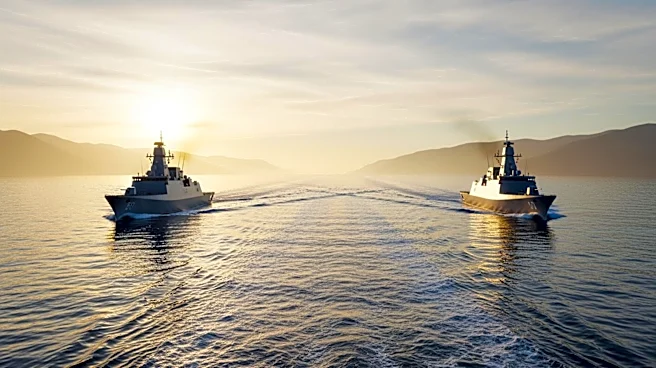
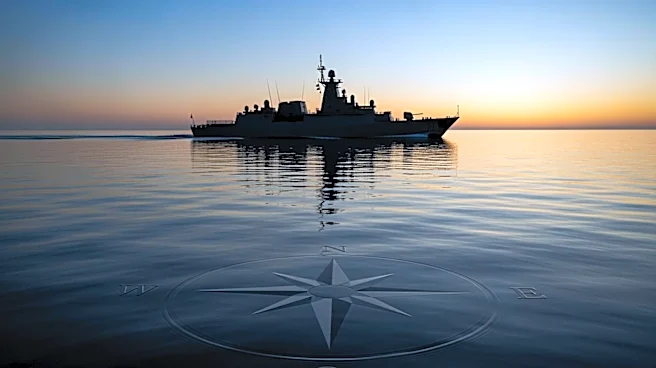
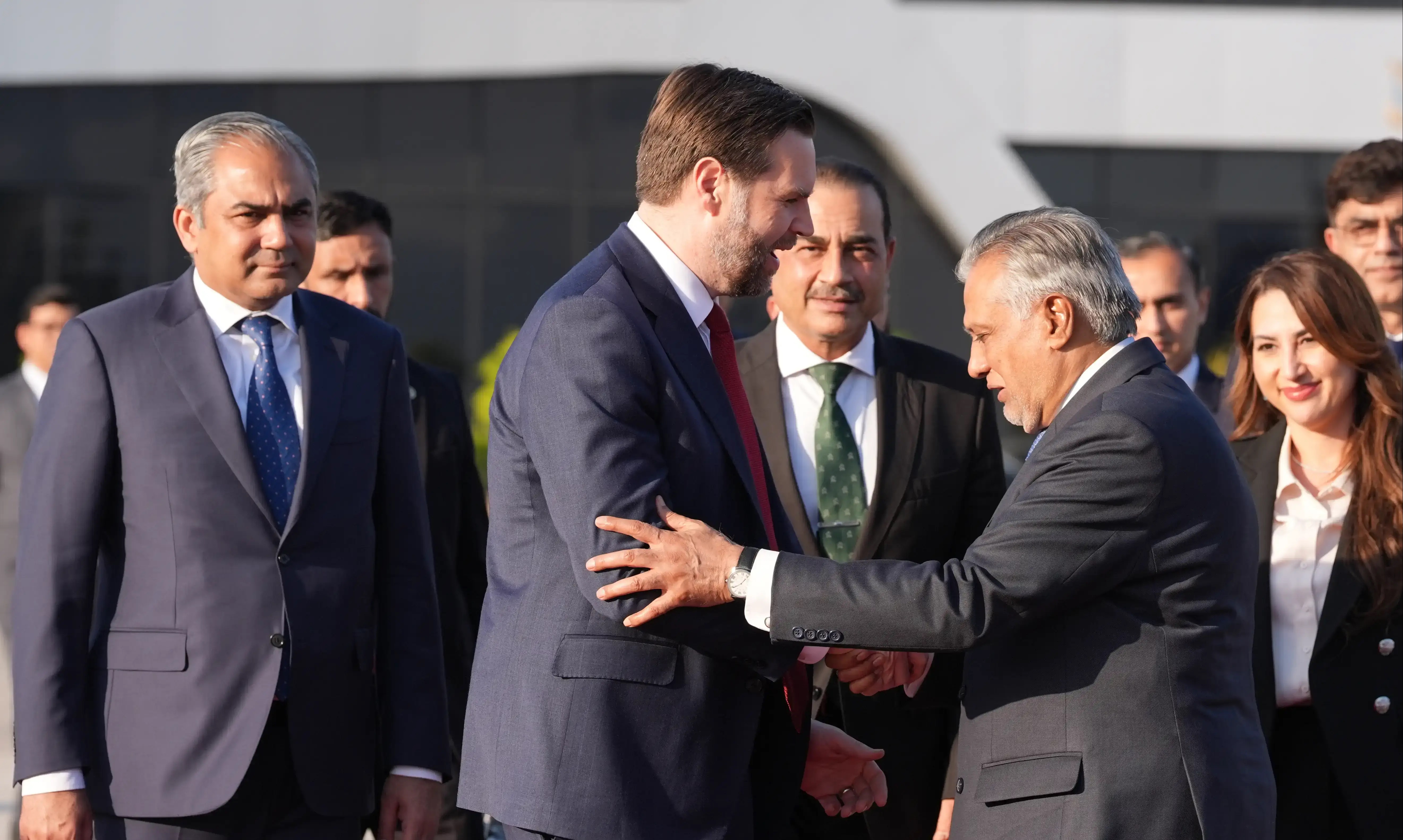
President Trump announced that the U.S. Navy will initiate a blockade of the Strait of Hormuz following unsuccessful peace talks with Iran in Pakistan. This strategic move aims to disrupt Iran's economic leverage by controlling a vital waterway responsible
for 20% of global oil transportation. The blockade is part of a broader strategy to counter Iran's nuclear ambitions, which remain a central issue in the ongoing conflict. The announcement follows a 21-hour negotiation that ended without resolution, casting doubt on the stability of a fragile two-week ceasefire.
Why It's Important?
The blockade of the Strait of Hormuz represents a significant escalation in U.S.-Iran tensions, with potential global economic repercussions. The strait is a critical chokepoint for oil exports, and its closure could lead to increased oil prices and economic instability worldwide. This move also highlights the U.S.'s strategic military capabilities and its willingness to exert pressure on Iran to curb its nuclear program. The decision underscores the complexities of international diplomacy and the challenges of achieving lasting peace in the region.
What's Next?
The blockade is likely to provoke strong reactions from Iran and other global stakeholders, potentially leading to further diplomatic and military confrontations. The international community may call for renewed negotiations to prevent escalation and ensure the free flow of oil through the strait. The U.S. may also face pressure from allies and international organizations to justify its actions and seek peaceful resolutions. Monitoring the situation closely will be crucial as the geopolitical landscape continues to evolve.