




What's Happening?
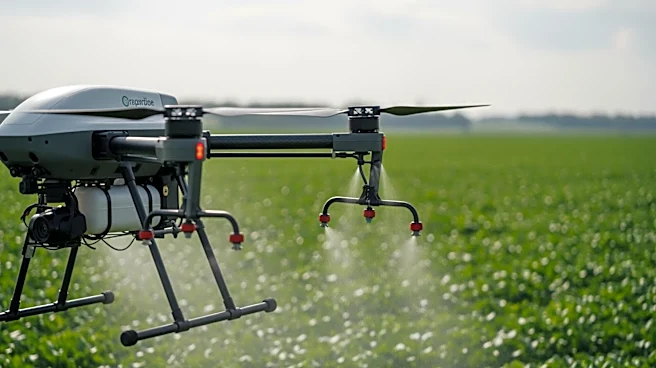
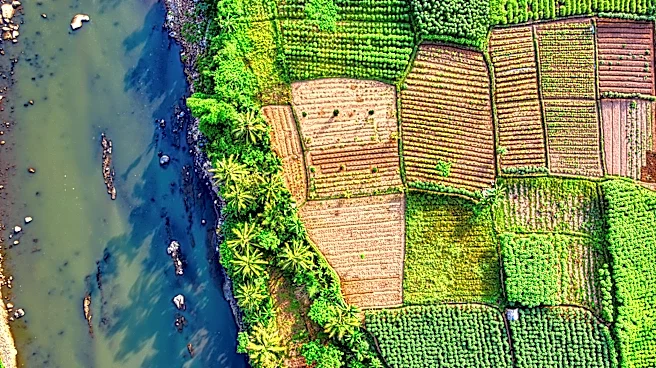
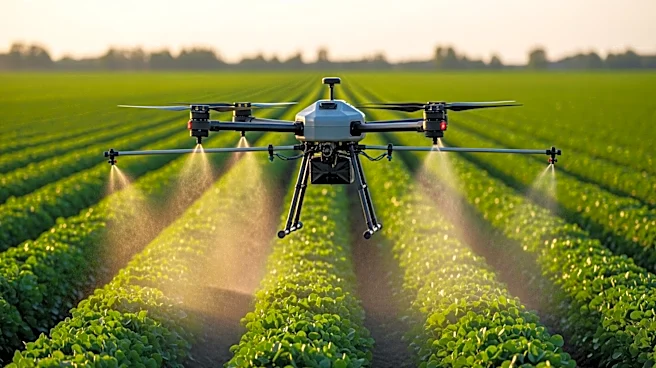
In the Phagwara region, a shift towards sustainable agriculture is reshaping the rural economy. Farmers are adopting modern techniques such as crop diversification, organic farming, and precision agriculture to combat rising cultivation costs and declining
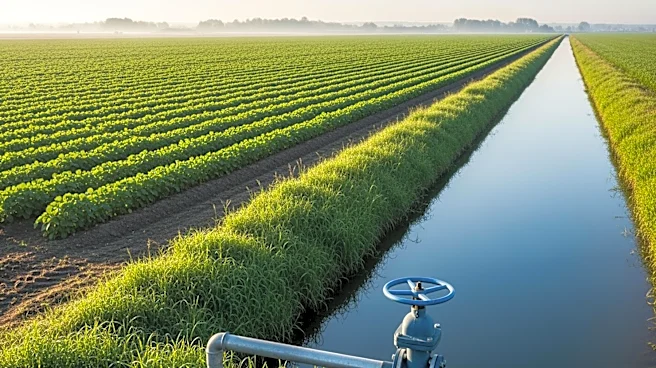
profits from traditional farming. This transformation is driven by a new generation of educated farmers who are implementing innovative practices like drip irrigation and integrated farming. These methods are not only improving yields but also conserving natural resources, offering a model for sustainable agricultural development.
Why It's Important?
The adoption of sustainable farming practices in Phagwara is crucial for addressing environmental challenges such as groundwater depletion and soil degradation. By diversifying crops and reducing reliance on the wheat-paddy cycle, farmers are enhancing their resilience against market fluctuations and climate variability. This shift also has economic implications, as it reduces dependency on middlemen and increases direct sales to urban markets, thereby boosting farmers' incomes. The success of these practices could serve as a blueprint for other regions facing similar agricultural challenges.
Beyond the Headlines
The move towards sustainable agriculture in Phagwara reflects a broader trend of innovation in farming. By integrating technology and modern practices, farmers are not only improving their livelihoods but also contributing to environmental conservation. This approach aligns with global efforts to promote sustainable development and could influence policy decisions at regional and national levels. The success stories from Phagwara may inspire other farming communities to adopt similar practices, fostering a more sustainable and profitable agricultural sector.