
What's Happening?
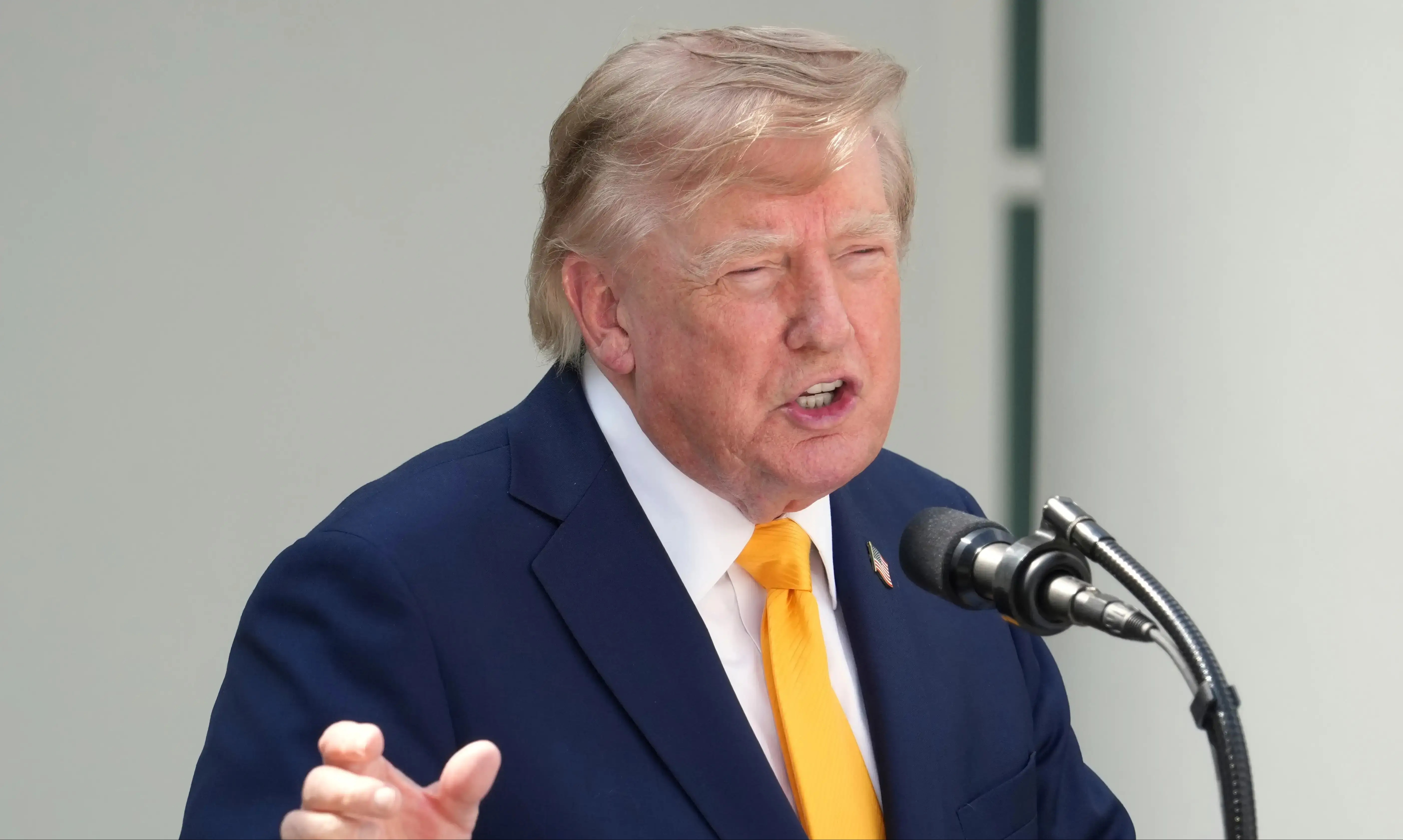
President Trump has threatened to impose a 50% tariff on Canadian automobiles, car parts, and steel starting next year, escalating a deepening trade rift with Ottawa. This threat follows the collapse of
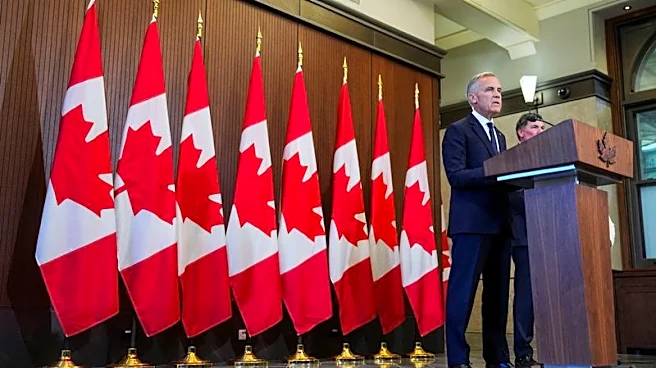
trade talks between the U.S. and Canada last week, after which long-planned U.S. tariffs on various Canadian goods went into effect. Canada has vowed to retaliate against these measures. President Trump publicly criticized Canada on social media, stating that "Canada has been ripping off the United States of America for years" and specifically called out Canada's "ridiculously high tariffs" on American farmers, declaring the situation "Not sustainable, and NOT ANYMORE!"
Why It's Important?
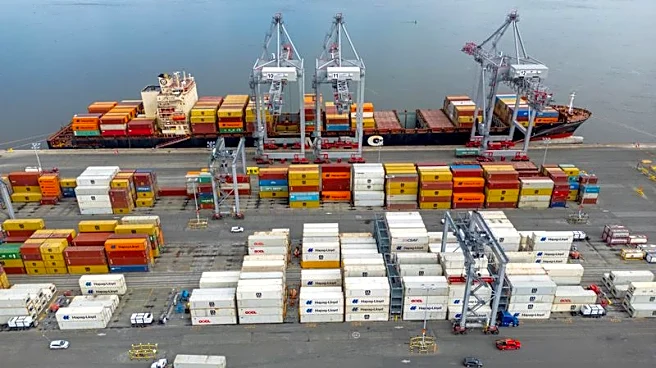
The escalating trade tensions between the U.S. and Canada, two historically close allies and reliable trading partners, have significant economic implications for both nations. The imposition of a 50% tariff on key Canadian exports like automobiles, car parts, and steel could severely impact Canadian industries, potentially leading to job losses and reduced economic output. For the U.S., such tariffs could result in higher costs for consumers and manufacturers who rely on Canadian imports, disrupt supply chains, and potentially invite retaliatory tariffs from Canada, further harming American businesses and farmers. This trade dispute underscores the challenges of international trade relations and the potential for political rhetoric to translate into tangible economic consequences, affecting industries and consumers across North America.
What's Next?
The threatened tariffs are set to take effect next year, indicating a period of continued uncertainty and potential for further escalation. Canada is expected to follow through on its vow to retaliate, which could involve imposing its own tariffs on U.S. goods, leading to a tit-for-tat trade war. Businesses in both countries, particularly those in the automotive and steel sectors, will likely begin preparing for the potential impact of these tariffs, which could include adjusting supply chains, seeking alternative markets, or lobbying their respective governments. Diplomatic efforts to resolve the trade dispute may continue, but the current rhetoric suggests a challenging path forward. The situation could also influence broader international trade discussions and alliances.
Beyond the Headlines
This trade dispute extends beyond immediate economic concerns to touch upon the fundamental nature of international alliances and the principles of free trade. The use of tariffs as a political tool, even against close allies, highlights a shift in global trade dynamics and the potential for nationalistic policies to disrupt established economic relationships. It also raises questions about the long-term stability of supply chains and the resilience of industries heavily reliant on cross-border trade. The rhetoric employed by President Trump, accusing Canada of "ripping off" the U.S., could strain diplomatic ties and foster resentment between the two nations. This situation serves as a case study in how political leadership can reshape economic landscapes and challenge traditional international cooperation.