






What's Happening?
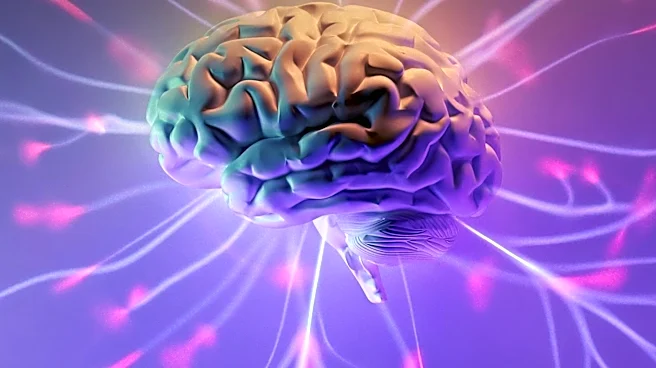
A new study published in Neurophotonics has revealed that Herpes Simplex Virus type 1 (HSV-1), commonly known for causing cold sores, significantly alters the energy metabolism of human neurons. Researchers used a laboratory-grown model of human brain
tissue to observe these changes over a 10-day period after low-level HSV-1 infection. The study found that infected neurons initially boost their energy production, but this heightened activity is eventually accompanied by signs of stress and impaired mitochondrial function. Maria Savvidou, a senior researcher at Tufts University, noted that these findings offer new insights into how persistent viral infection can reshape neuronal metabolism and potentially contribute to neurological diseases. The virus spread through the tissue, but the neurons largely remained alive and intact, indicating that substantial metabolic changes can occur before extensive cell damage becomes apparent.
Why It's Important?
This research is crucial for understanding the long-term effects of HSV-1, particularly its potential link to neurological conditions like Alzheimer's disease. The discovery that HSV-1 rewires neuronal energy metabolism, even before significant cell damage, provides a new avenue for investigating the mechanisms behind these neurological impacts. The U.S. population, a large portion of which is infected with HSV-1, could be significantly affected by these findings, as they suggest a subtle yet profound way the virus might contribute to neurodegeneration. Identifying these early metabolic shifts could lead to the development of new diagnostic tools or therapeutic interventions aimed at mitigating the neurological consequences of HSV-1 infection. Understanding how the virus manipulates cellular energy pathways could also offer insights into other viral infections that impact brain health, potentially benefiting a broader range of neurological research and treatment strategies.
What's Next?
The study's findings suggest that future research will likely focus on further elucidating the precise mechanisms by which HSV-1 alters neuronal metabolism and how these changes contribute to neurological disease progression. Scientists may explore whether targeting these metabolic pathways could offer new therapeutic strategies to prevent or slow the development of conditions like Alzheimer's in individuals with HSV-1. The noninvasive imaging techniques used in this study could be further developed to monitor metabolic changes in living brain tissue, potentially leading to earlier detection of neurological issues. Additionally, the research may prompt investigations into whether other latent viruses similarly impact neuronal metabolism, expanding our understanding of viral contributions to brain health and disease. The long-term implications of these metabolic shifts and their reversibility will also be key areas of future inquiry.
Beyond the Headlines
This research delves into the complex interplay between viral infections and cellular biology, highlighting how seemingly benign viruses can have profound, long-term effects on human health. The concept that a virus can 'rewire' a cell's energy production without immediately destroying it opens up new perspectives on chronic diseases and the subtle ways pathogens can influence our bodies. It raises ethical questions about the widespread prevalence of HSV-1 and the potential for silent, cumulative damage over decades. Culturally, this study might shift public perception of common viruses, moving beyond acute symptoms to a deeper understanding of their systemic and long-term impacts. Legally, if a definitive link between HSV-1 and neurodegenerative diseases is established, it could influence public health policies regarding screening, prevention, and treatment strategies for viral infections, potentially leading to new approaches in managing neurological health.