
What's Happening?
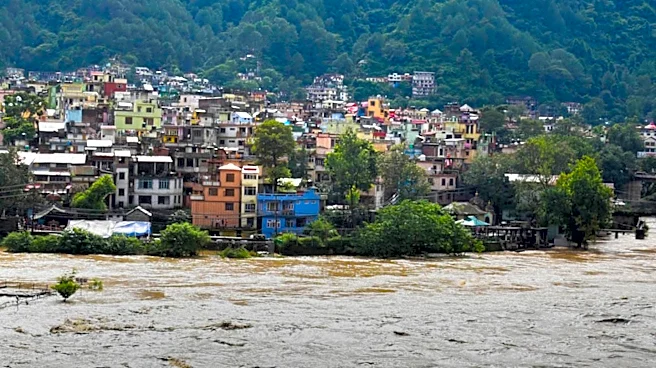
Oxfam International has released an analysis connecting the record number of flood-related deaths in 2026 to the consequences of a fossil-fueled economy and the disproportionate carbon emissions of the ultra-rich.
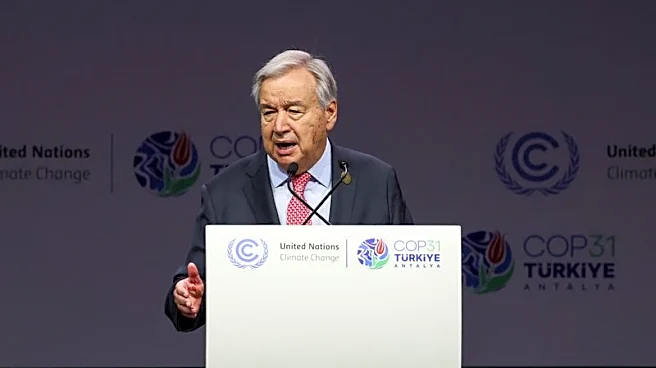
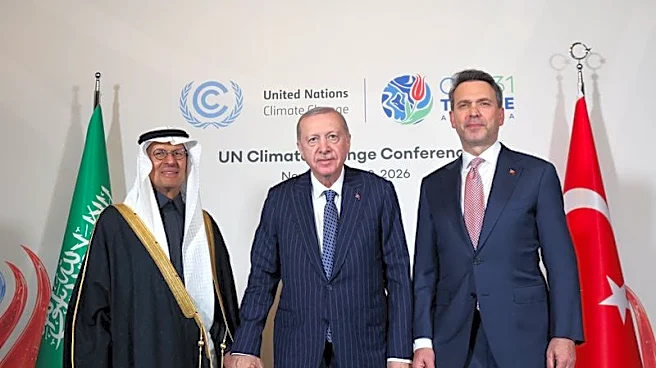
According to Amitabh Behar, executive director of Oxfam International, these deaths are not accidental but rather foreseeable outcomes of a system where major polluters are insulated from the impacts. The organization highlighted that flood deaths have reached a 13-year high, largely driven by a catastrophic glacier collapse in Nepal and Tibet in August, which resulted in over 1,500 fatalities and 5,600 missing persons. Oxfam's analysis also pointed out that the carbon pollution of an individual in the richest 1% contributes 34 times more to extreme heatwaves than the average person and 100 times more than someone in the poorest 50%. The group further criticized the carbon footprint of the ultra-rich, noting that 87 private jets landed at Antalya Airport for COP31, emitting an estimated 777 tons of carbon dioxide.
Why It's Important?
This report is important because it underscores the growing global inequality in both contributing to and suffering from climate change. It highlights how the U.S., as a significant contributor to global emissions and home to many ultra-rich individuals, plays a role in these global climate disparities. The findings suggest that while communities in the Global South are disproportionately affected by climate disasters like floods, those with the highest carbon footprints often remain insulated. This dynamic can exacerbate international tensions and complicate efforts to achieve global climate justice. The report's focus on private jet emissions during a climate conference also draws attention to the perceived hypocrisy of some wealthy individuals and nations, potentially undermining public trust in climate negotiations and policies. For U.S. policymakers, this raises questions about domestic policies related to carbon emissions, wealth distribution, and international climate aid, as the U.S. is a key player in both global economics and climate discussions.
What's Next?
Oxfam International advocates for governments to cease treating the "extraordinarily polluting luxuries of the superrich as an untouchable privilege." A key proposed next step is the implementation of taxes on private jets. The Global Solidarity Levies Task Force suggests that taxing private jets owned by approximately 250,000 individuals worldwide could generate $45 billion annually, which is nearly 12 times the amount rich countries contributed to UN climate funds in 2025. This proposal could gain traction in international climate discussions, potentially influencing U.S. foreign policy and domestic tax debates. The ongoing United Nations Climate Change Conference (COP31) serves as a critical platform where such proposals might be discussed, and the report's findings could pressure participating nations, including the U.S., to consider more stringent measures against high-emission luxury activities and to increase financial contributions to climate adaptation and mitigation efforts in vulnerable countries.
Beyond the Headlines
The Oxfam report delves into the ethical and social justice dimensions of climate change, moving beyond purely environmental concerns. It highlights how existing economic structures and wealth disparities amplify the human cost of climate disasters. The concept of a "fossil-fueled economy" is presented not just as an environmental problem but as a system that inherently protects the wealthy while exposing the poor to greater risks. This perspective challenges the notion that climate change is a universal equalizer, instead framing it as a magnifier of pre-existing inequalities. The report implicitly calls for a re-evaluation of consumption patterns among the ultra-rich and suggests that their lifestyle choices have tangible, devastating consequences for vulnerable populations globally. This could lead to increased public scrutiny and calls for accountability from high-net-worth individuals and corporations, potentially fostering a broader societal debate on sustainable luxury and equitable resource distribution.