







What's Happening?
A significant number of women veterans are running for Congress in 2026, marking the largest wave ever tracked. This movement includes nearly 90 women from various political parties, showcasing a commitment to service beyond military roles. The trend
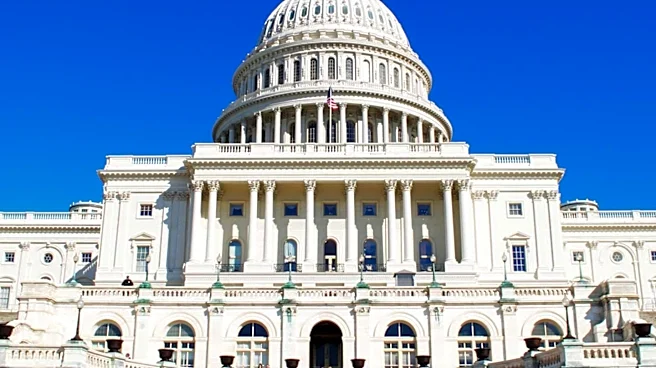
emerges as debates over women in combat and military sexual trauma gain attention on Capitol Hill. A new bipartisan bill seeks to allow service members to sue the government over military sexual trauma, challenging existing legal barriers. Additionally, the WARRIOR Act, aimed at protecting women's access to combat roles, faces challenges in Congress. Meanwhile, new research from the Army suggests women may be more resilient under prolonged operational stress than previously assumed, adding complexity to the ongoing debate about women in combat roles.
Why It's Important?
The surge of women veterans running for Congress highlights a shift in political representation and the increasing role of women in leadership positions. This development could influence legislative priorities, particularly concerning military policies and veterans' issues. The proposed bill allowing lawsuits over military sexual trauma represents a potential shift in accountability and justice for service members. The ongoing debates and research about women in combat roles could impact military policies and the future composition of military leadership. These developments reflect broader societal changes regarding gender roles and equality, both in the military and in political representation.
What's Next?
The proposed bill on military sexual trauma will need to advance through the Senate and House before becoming law, potentially facing opposition or amendments. The WARRIOR Act's future remains uncertain, with its prospects dimmed after a tie vote in the House Armed Services Committee. However, it could still advance through standalone legislation or during later negotiations. The outcome of these legislative efforts will likely influence future military policies and the role of women in combat. Additionally, the results of the 2026 congressional races could alter the political landscape, particularly if a significant number of women veterans are elected.
Beyond the Headlines
The increasing participation of women veterans in politics and the ongoing debates about military policies reflect deeper societal shifts towards gender equality and representation. These developments challenge traditional gender roles and highlight the evolving nature of military service and political leadership. The research on women's resilience under stress may influence future military training and standards, potentially leading to more inclusive policies. The legislative efforts and political campaigns of women veterans could inspire further changes in both military and civilian sectors, promoting a more equitable and diverse society.