


What's Happening?
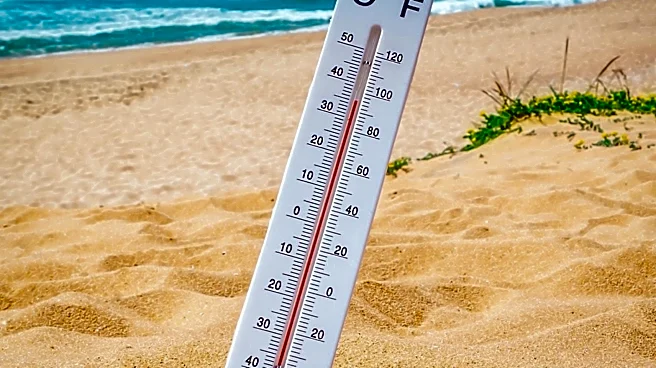
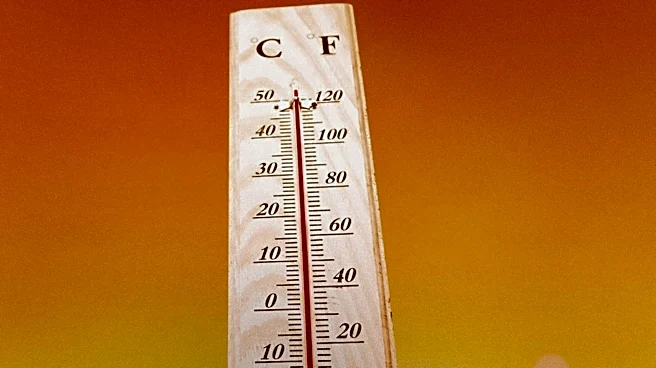
Europe is currently experiencing a severe heatwave, prompting Italy to place all its major cities on the highest health alert level. This marks the first time this year that Italy's entire national heat surveillance system has been under the highest warning
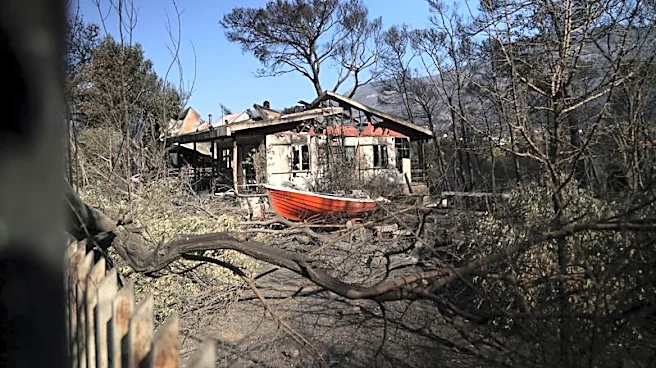
level simultaneously. The heatwave has also set a national temperature record in Austria, with temperatures reaching 106.2 degrees Fahrenheit. The extreme weather has led to wildfires in France and has disrupted energy and transport systems across the continent. In Hungary, the drought has severely affected the country's only nuclear power plant, leading to reduced output. Germany is facing challenges in transportation and industry due to low water levels on the Rhine River.
Why It's Important?
The heatwave highlights the vulnerabilities in Europe's public health systems, power generation, and transportation networks. The extreme temperatures pose significant health risks to millions of people, especially in urban areas. The disruption in energy production, particularly in Hungary, underscores the challenges of relying on natural water sources for cooling power plants. The situation also raises concerns about the impact of climate change on infrastructure and the need for adaptive measures to mitigate such extreme weather events. The economic implications are significant, affecting industries reliant on water transport and energy production.
What's Next?
As the heatwave continues, European countries may need to implement further emergency measures to protect public health and maintain energy supplies. Governments might consider investing in infrastructure improvements to better withstand such extreme weather conditions in the future. The situation could also prompt discussions on climate change policies and the need for international cooperation to address the root causes of such extreme weather patterns.