




What's Happening?
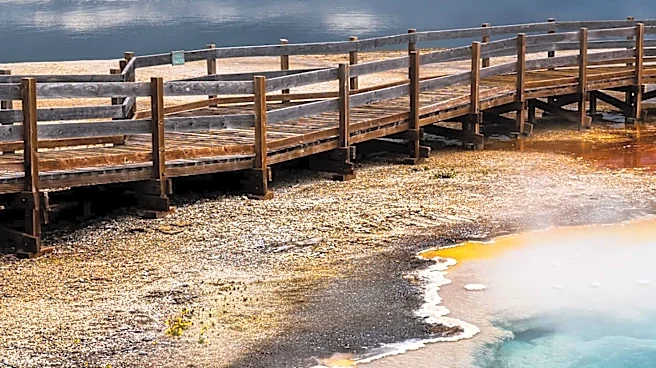
A study led by Montana State University (MSU) researchers has reconstructed the environmental history of the Yellowstone Plateau's geyser basins over the past 15,000 years. The research, funded by the National Science Foundation, reveals how climate and
hydrothermal activity have influenced vegetation, wildfires, and aquatic ecosystems in the region. The findings were published in the journal Proceedings of the National Academy of Sciences. Cathy Whitlock, MSU Regents Professor emerita of earth sciences, spearheaded the project, which involved analyzing sediment cores from small lakes in Yellowstone's Lower Geyser Basin. This interdisciplinary effort included collaborators from the U.S. Geological Survey, Oregon State University, Manchester University, and Colorado State University, utilizing techniques like radiocarbon dating, pollen analysis, and charcoal concentration to understand past environmental conditions.
Why It's Important?
This research provides a crucial long-term perspective on the interplay between climate, geology, and ecosystems in one of the United States' most iconic natural landscapes. Understanding the historical responses of Yellowstone's geyser basins to past climate changes, including periods of drought and varying hydrothermal activity, offers valuable insights into potential future scenarios. The study suggests that future warming in Yellowstone could lead to reduced hydrothermal activity and an increase in wildfires, which has significant implications for park management, conservation efforts, and the tourism industry that relies on the park's natural wonders. The findings also highlight the resilience of lodgepole pine forests in the region, despite past climate shifts, which could inform future forestry and fire management strategies.
What's Next?
The findings from this study will likely inform ongoing research and management strategies for Yellowstone National Park. While the researchers note that significant changes in hydrothermal activity may not be noticeable within a human lifetime, the long-term trends identified provide a framework for understanding the park's future. This research could lead to further investigations into the specific mechanisms linking climate change to hydrothermal system dynamics and wildfire incidence. Park officials and scientists may use this historical data to refine climate models, develop more effective conservation plans, and prepare for potential shifts in the park's ecological and geological features. The interdisciplinary nature of the study also sets a precedent for future collaborative research efforts in complex natural environments.
Beyond the Headlines
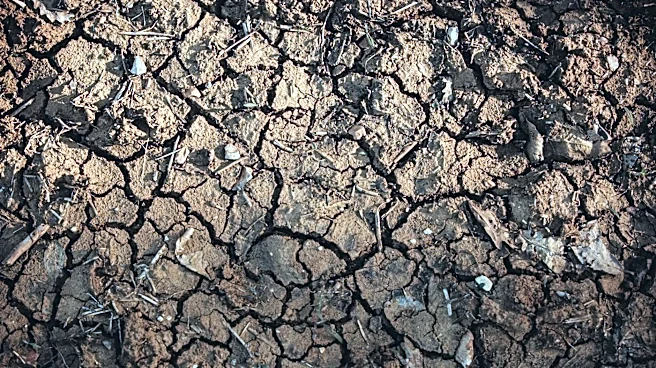
The study's revelation that Yellowstone's hydrothermal systems were more active during wet periods and less so during dry periods offers a profound insight into the delicate balance of natural processes. This suggests a potential vulnerability of these iconic features to prolonged drought conditions, which could be exacerbated by future climate change. The research also underscores the critical role of long-term paleoecological studies in providing context for contemporary environmental challenges. By looking back 15,000 years, scientists can discern patterns and thresholds that might otherwise be missed in shorter-term observations. This historical perspective is essential for developing robust, science-based policies for managing natural resources and mitigating the impacts of climate change on sensitive ecosystems like Yellowstone's geyser basins, emphasizing the interconnectedness of geological, climatic, and biological systems.