








What's Happening?
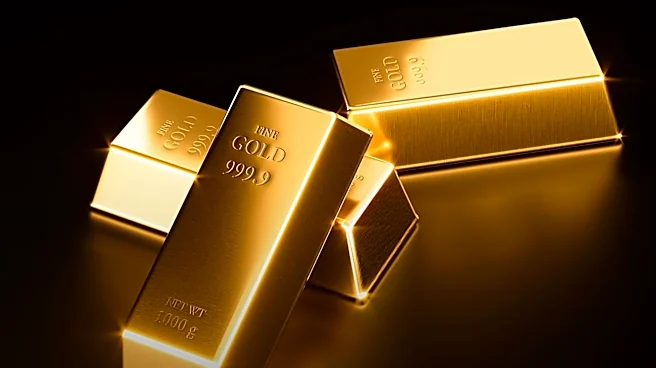
Russia's Central Bank has sold 44 tonnes of gold in the first half of 2026, marking a significant reduction in its gold reserves. This move comes as the bank's total official reserve assets fell to $720.4 billion by the end of June, down from $747.4 billion in May.
The sales are reportedly aimed at covering the country's budget deficit, which reached 4.6 trillion rubles by March, and to bolster foreign currency reserves amid weak export earnings. The gold was primarily sold to Russian banks through exchange and over-the-counter markets. This marks the sixth consecutive month of declining gold reserves for Russia, with the most significant drop since 2002 occurring earlier this year.
Why It's Important?
The sale of gold by Russia's Central Bank is a critical indicator of the country's economic challenges, exacerbated by ongoing international sanctions and the prolonged conflict in Ukraine. The reduction in gold reserves reflects the need to address budgetary shortfalls and stabilize the national currency. This move could have broader implications for global gold markets, as Russia is a major player in gold production and sales. The decision to sell gold also highlights the financial strain on the Russian government, which is facing increased defense and energy costs. The impact of these sales could influence global gold prices and affect international trade dynamics, particularly with countries like China, which has increased its imports of Russian precious metals.
What's Next?
Continued sales of gold by Russia's Central Bank are likely as the government seeks to manage its fiscal challenges. This could lead to further fluctuations in global gold prices and impact the strategies of other central banks. Additionally, the ongoing economic pressures may prompt Russia to explore alternative revenue sources or adjust its fiscal policies. The international community will be closely monitoring these developments, as they could have significant geopolitical and economic repercussions.