








What's Happening?
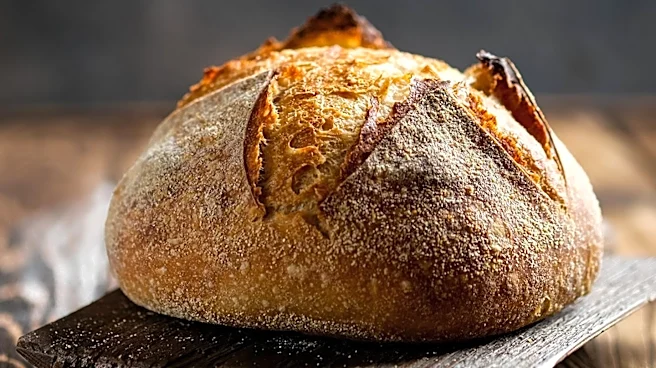
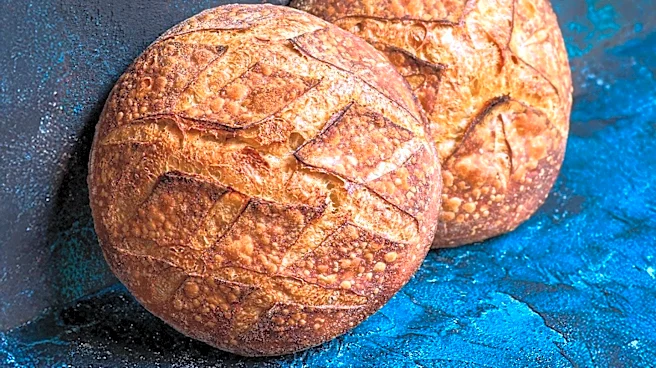
Researchers have successfully baked sourdough bread using yeast extracted from the gut of Oetzi the Iceman, a 5,300-year-old mummy discovered in the Alps. The team, led by Italian scientists, published their findings in the Microbiome journal, revealing
that both ancient and modern microbial life remains active in Oetzi's body. The yeast, which has adapted to cold environments, was cultivated over three months to produce a viable sourdough starter. This discovery provides a unique glimpse into the intestinal ecosystem of a Copper Age human, offering insights into ancient diets and microbiomes before modern influences like antibiotics and processed foods.
Why It's Important?
This research bridges the gap between ancient history and modern science, offering a rare opportunity to study the microbiome of a prehistoric human. Understanding the microbial life that existed in Oetzi's time can shed light on the evolution of human health and diet, potentially informing current microbiome research and dietary practices. The successful cultivation of ancient yeast also opens new avenues for culinary exploration, blending historical and contemporary food science. Moreover, the study raises questions about the preservation and integrity of ancient remains, as active microbial life could impact the long-term conservation of such artifacts.
What's Next?
Following the successful baking of sourdough, the research team is considering using the ancient yeast for brewing beer, although their primary focus remains on the scientific implications of their findings. The study may prompt further research into ancient microbiomes, potentially leading to new discoveries about human evolution and health. Additionally, the conservation community may need to reassess preservation techniques for ancient remains, considering the active microbial life that could affect their stability. The intersection of archaeology and microbiology highlighted by this study could inspire similar interdisciplinary research projects in the future.