





What's Happening?
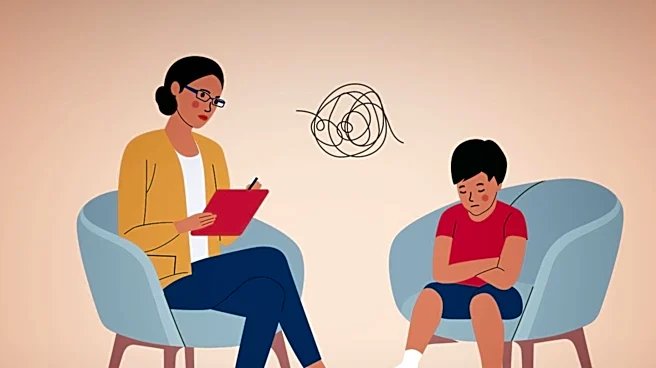
A recent study published in the Journal of Mental Health, drawing on survey responses from 19,132 fifth-graders across California, indicates that nearly 40% of these young students believe they need mental health care. The study highlights that most of these children
are only 10 or 11 years old, an age where adults typically make decisions regarding their mental health support. Girls were found to be 1.5 times more likely than boys to signal a need for care, while Asian and Pacific Islander students were less likely to do so compared to their white peers. The strongest pattern observed was that children who reported more frequent feelings of sadness, stress, or loneliness were increasingly likely to express a need for mental health support. The study suggests that a direct question to students about their need for a counselor or therapist could be a simpler initial step for identifying children who might benefit from further support, though more research is needed to confirm its reliability for everyday use.
Why It's Important?
This finding is significant for the U.S. public health sector, particularly concerning youth mental health, which is a growing national concern. The study challenges traditional methods of identifying mental health needs in children, which often rely on observations from adults like teachers, parents, or clinicians. By demonstrating that children can self-identify their need for care, it opens avenues for more direct and potentially earlier intervention strategies. This could lead to a re-evaluation of current screening practices in schools and healthcare settings, potentially making mental health support more accessible to a younger demographic. Early identification and intervention are crucial for addressing mental health issues before they escalate, which could have long-term positive impacts on educational outcomes, social development, and overall well-being of American youth. The disparities noted among different demographic groups also highlight the need for culturally sensitive and equitable mental health services.
What's Next?
Future research is recommended to test the validity and reliability of using a brief, direct question to students about their need for mental health support as a first step in identification. If proven effective, this approach could be integrated into school health surveys or routine check-ups, potentially streamlining the process of connecting children with counselors or therapists. Educators and mental health professionals will need to explore how to best implement such a screening method and ensure that adequate resources are available to meet the increased demand for services that might arise. Additionally, further investigation into the reasons behind the observed demographic disparities in self-identified mental health needs could lead to targeted interventions and support programs for specific student populations. The findings may also prompt policy discussions at state and national levels regarding funding for school-based mental health services and training for school staff.
Beyond the Headlines
The study's implications extend beyond immediate screening methods, touching upon the broader societal understanding of children's agency in their own health. Recognizing that young children can articulate their mental health needs challenges the long-held assumption that adults are the sole arbiters of a child's well-being. This shift could foster a more child-centric approach to healthcare, empowering children to voice their concerns and participate in decisions about their care. Ethically, it raises questions about how to balance a child's self-reported needs with professional assessment and parental involvement. Culturally, it may encourage open conversations about mental health within families and schools, reducing stigma and promoting a supportive environment where children feel comfortable seeking help. The long-term impact could be a generation more attuned to their mental health, leading to improved resilience and overall societal mental well-being.