








What's Happening?
NASA's Office of Inspector General has released a memo detailing the financial implications of canceled hardware contracts within the Artemis program. The report highlights that NASA's investment in these components, initially contracted at $2.9 billion,
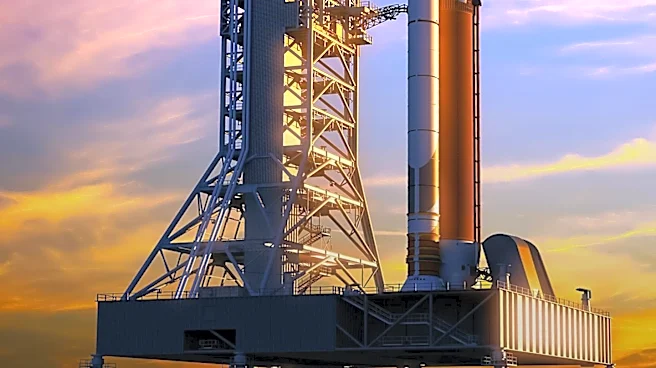
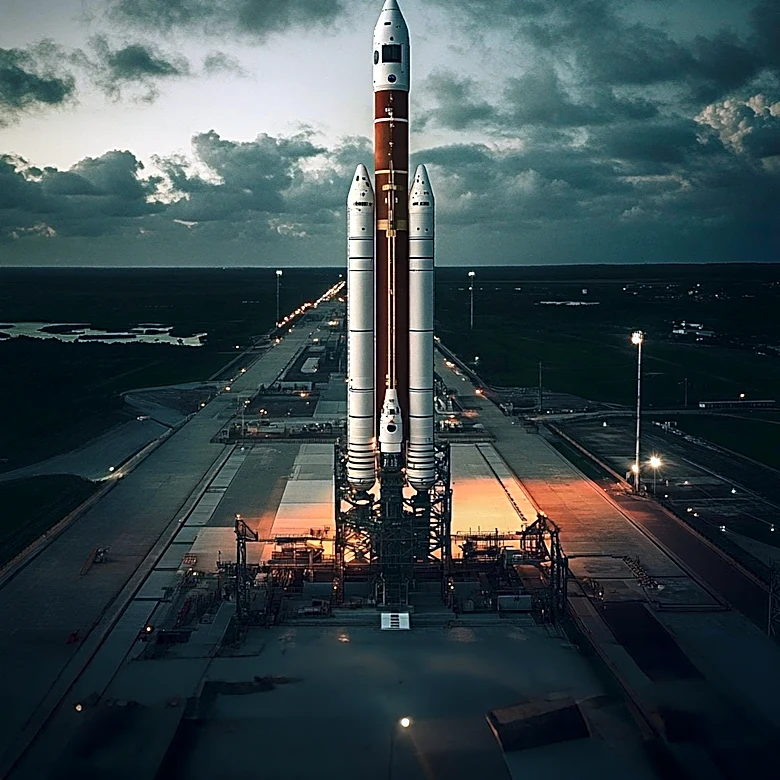
escalated to $5.9 billion before work was halted. The Artemis program, which aims to return astronauts to the moon, underwent significant restructuring, leading to the cancellation of several hardware components. These include the Exploration Upper Stage (EUS) and the Universal Stage Adapter (USA), both of which faced delays and cost overruns. The memo also points out issues with the Mobile Launcher 2 and the HALO module for the Gateway space station, which were plagued by technical problems and management challenges.
Why It's Important?
The financial losses and project delays associated with the Artemis program highlight significant challenges in NASA's management and contracting processes. The restructuring of the program aims to streamline operations and reduce costs, but the report underscores the need for improved oversight and realistic scheduling. The cancellation of these contracts frees up over $3 billion for future projects, potentially allowing NASA to focus on more feasible and cost-effective missions. However, the setbacks could impact the timeline for returning astronauts to the moon, a key goal of the Artemis program. The situation also raises questions about the efficiency of NASA's partnerships with contractors like Boeing and Northrop Grumman.
What's Next?
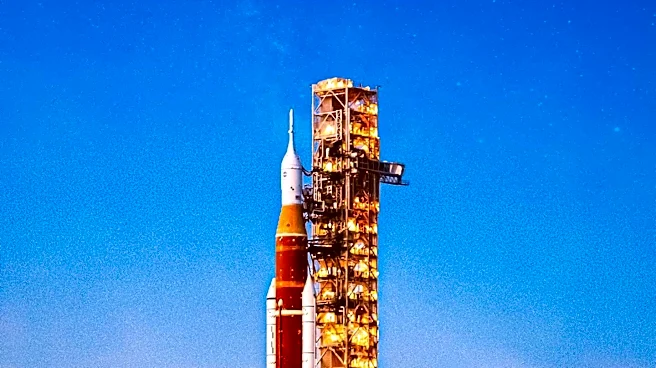
NASA's response to the Inspector General's memo indicates a commitment to moving away from costly practices and focusing on more disciplined and affordable mission planning. The agency plans to continue its efforts to return astronauts to the moon by 2028, with the first lunar landing now scheduled for Artemis 4. The restructuring of the Artemis program is expected to streamline operations and reduce costs, but NASA will need to address the issues highlighted in the report to avoid similar setbacks in the future. The agency's ability to manage complex projects efficiently will be crucial in maintaining its leadership in space exploration.
Beyond the Headlines
The challenges faced by the Artemis program reflect broader issues within NASA's project management and contracting processes. The report highlights the need for better risk management and realistic scheduling to prevent cost overruns and delays. The situation also underscores the importance of effective collaboration between NASA and its contractors, as well as the need for transparency and accountability in government-funded projects. The lessons learned from the Artemis program could inform future space exploration initiatives and help NASA achieve its long-term goals more efficiently.