

What's Happening?
U.S. Representative Sanford Bishop Jr. (GA-02) is a co-sponsor of the bicameral 'End the Exception Amendment,' a resolution aimed at striking the 'Slavery Clause' from the 13th Amendment of the U.S. Constitution. This clause currently permits slavery
'as a punishment for crime.' The resolution was reintroduced by U.S. Senator Jeff Merkley (D-OR), U.S. Representative Nikema Williams (GA-05), and U.S. Senator Cory Booker (D-NJ). Proponents argue that this loophole has historically allowed for forced labor, particularly impacting Black Americans, through practices like 'Black Codes' enacted after 1865. These codes led to mass arrests for minor offenses, with imprisoned individuals then leased out for labor, sometimes on the same plantations where they had been enslaved. By 1898, 73% of Alabama's state revenue reportedly came from such forced labor. The resolution seeks to eliminate this exception, ensuring a complete ban on slavery without any qualifications.
Why It's Important?
The 'End the Exception Amendment' addresses a long-standing constitutional provision that critics argue undermines the fundamental principles of freedom and equality in the United States. The continued existence of the 'Slavery Clause' has allowed for systems of forced labor within the carceral system, disproportionately affecting minority communities. Its elimination would represent a significant step towards rectifying historical injustices and aligning the Constitution with modern human rights standards. This legislative effort highlights ongoing debates about the legacy of slavery and its systemic impacts on the U.S. justice system. Passing this amendment would send a clear message about the nation's commitment to ending all forms of involuntary servitude, potentially influencing state-level reforms and prison labor practices across the country. It also underscores the persistent efforts by lawmakers to address racial inequities embedded in legal frameworks.
What's Next?
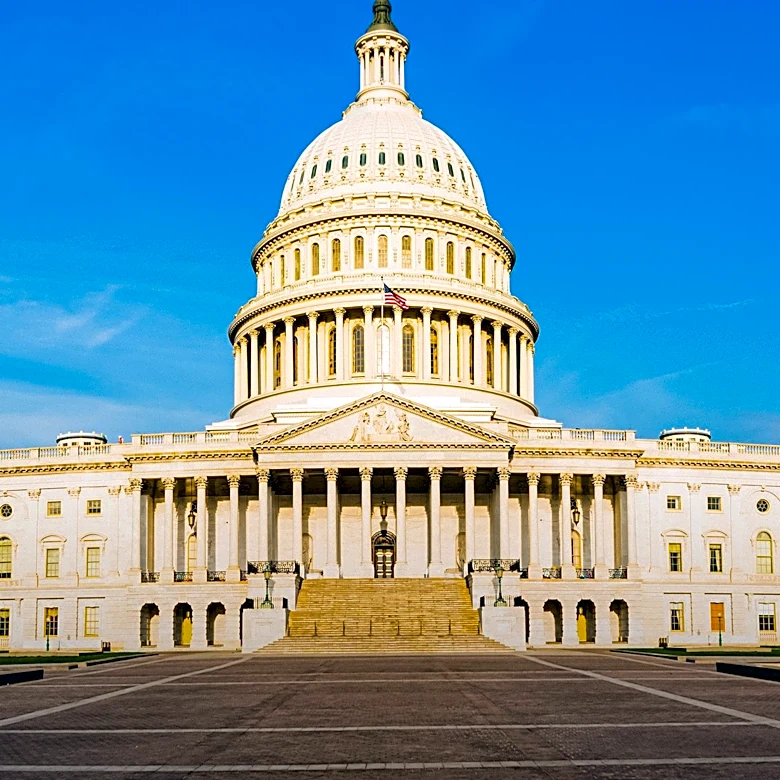
The bicameral resolution will now proceed through the legislative process in both the House of Representatives and the Senate. For the amendment to be ratified, it would require a two-thirds vote in both chambers of Congress and subsequent ratification by three-fourths of the state legislatures. The broad co-sponsorship, including Representative Bishop, indicates significant support, but the path to constitutional amendment is historically challenging. Advocacy groups, such as Worth Rises, the Vera Institute of Justice, and the American Civil Liberties Union (ACLU), are actively supporting the amendment, which could mobilize public opinion and pressure lawmakers. The debate surrounding the resolution is likely to bring increased scrutiny to current prison labor practices and could spur further discussions on criminal justice reform at both federal and state levels. Nine states have already banned slavery as a form of punishment, which may provide momentum for federal action.
Beyond the Headlines
The effort to remove the 'Slavery Clause' from the 13th Amendment delves into the complex interplay between historical constitutional provisions and contemporary human rights. Beyond the immediate legal implications, this amendment addresses the moral and ethical dimensions of involuntary servitude within a nation that champions liberty. The clause's historical application, particularly through 'Black Codes' and Jim Crow-era practices, reveals how legal loopholes can perpetuate systemic oppression. Its removal would not only be a symbolic victory but could also instigate a re-evaluation of the economic models that rely on incarcerated labor. This legislative push reflects a broader societal reckoning with the enduring legacies of slavery and racial injustice, prompting deeper conversations about restorative justice and the true meaning of freedom in America. It challenges the nation to fully confront and dismantle structures that have historically exploited vulnerable populations.