







What's Happening?
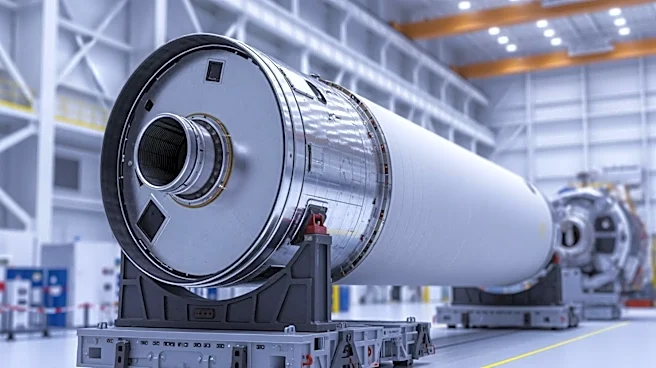
NASA has confirmed that the heat shield used in the Artemis II mission performed successfully during re-entry, ensuring the safety of the crew. The mission, which launched on April 1, faced scrutiny due to previous issues with the heat shield during the Artemis I mission.
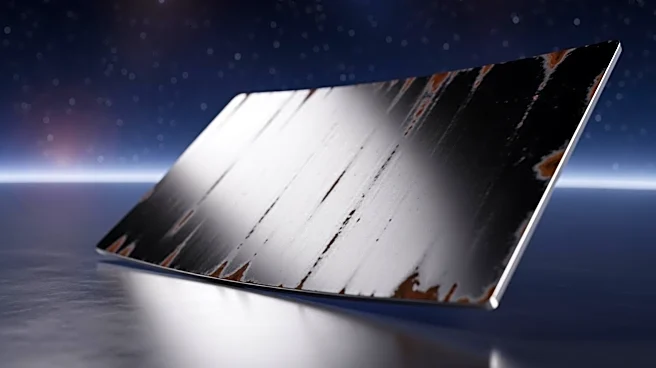
Engineers had discovered unexpected cracks and charring, leading to a redesign of the re-entry trajectory for Artemis II. The revised approach eliminated the 'skip' maneuver, which had caused gas entrapment and degradation of the shield. Initial inspections post-mission revealed that the heat shield performed as expected, with significantly reduced char loss compared to Artemis I.
Why It's Important?
The successful performance of the Artemis II heat shield is a critical step forward for NASA's Artemis program, which aims to return humans to the Moon and eventually send them to Mars. By resolving the issues encountered in Artemis I, NASA has demonstrated its ability to adapt and improve its technology, ensuring the safety and reliability of future missions. This success also boosts confidence in the Artemis program's timeline and objectives, potentially accelerating the development of subsequent missions, including Artemis III, which is planned to involve a lunar landing.
What's Next?
NASA plans to conduct a detailed examination of the Artemis II heat shield at the Marshall Space Flight Center to further understand its performance during re-entry. The findings will inform the design and preparation for the Artemis III mission, scheduled for 2027. This mission will involve a rendezvous with commercial lunar lander hardware in Earth orbit. The success of Artemis II sets a positive precedent for future missions, though challenges remain, such as ensuring the readiness of commercial partners' hardware for Artemis III.