
What's Happening?
The global water crisis is being exacerbated by chemical pollution, which is rapidly declining natural water quality worldwide. Freshwater systems are increasingly contaminated with complex synthetic compounds
that are not biodegradable, posing significant environmental dangers. Climate change, industrial toxic waste dumping, and the destruction of natural watersheds are key contributors to this issue. Environmentalists and scientists emphasize that traditional municipal water treatment facilities are no longer adequate to address these new anthropogenic factors. The focus has shifted from neutralizing bacteria and suspended solids to tackling 'emerging contaminants'—new-generation chemicals like persistent organic pollutants (PFCs), microplastics, nanoparticles, pharmaceutical contaminants, and disinfection byproducts that penetrate aquifers and pose serious ecotoxicological risks and public health threats.
Why It's Important?
This escalating chemical pollution of water resources has profound implications for public health, environmental ecosystems, and economic stability globally, including the U.S. The presence of 'forever chemicals' and other emerging contaminants in drinking water necessitates significant investment in advanced water treatment technologies, which can be costly for municipalities and consumers. For U.S. industries, particularly those involved in water purification and environmental technology, this presents both a challenge and an opportunity for innovation. The need for molecular-level filtration and advanced infrastructure will drive demand for new solutions. Furthermore, the health impacts of contaminated water, including potential long-term illnesses, could strain healthcare systems and reduce productivity. The U.S. also faces similar challenges with aging infrastructure and the presence of emerging contaminants, making global developments in water safety standards and treatment crucial for domestic policy and technological advancements.
What's Next?
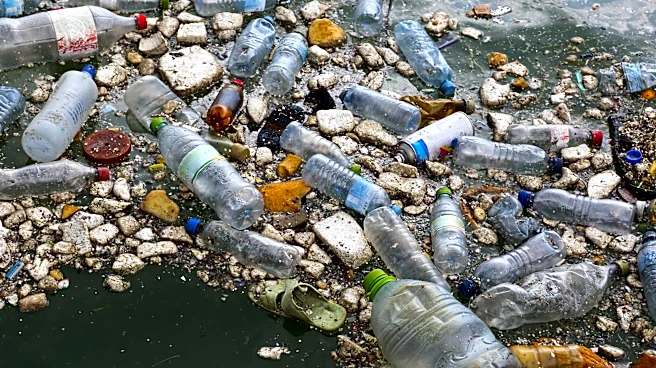
Addressing this crisis requires a multi-faceted approach, including the implementation of advanced water infrastructure capable of high-precision physical and chemical treatment. Modern water purification systems will need to combine various filtration phases, such as sediment filtration, activated carbon catalytic sorting, reverse osmosis, ion exchange conditioning, and non-reactive sterilization (UV or ozone disinfection). These systems aim to neutralize up to 99.9% of complex synthetic compounds. Beyond technological solutions, there is a call for reducing single-use plastics, minimizing pressure on natural water supplies through reuse and on-site processing, and protecting the biosphere from chemical emissions. Accurate preliminary analysis and proper engineering are crucial for deploying effective water protection systems, with a focus on flow rate requirements, detailed chemical analysis, international certification, and digital monitoring for real-time quality control.
Beyond the Headlines
The shift in focus from visible pollutants to 'emerging contaminants' highlights a deeper, more insidious environmental challenge. These invisible threats, often byproducts of modern industrial and pharmaceutical processes, challenge the very definition of 'clean' water and expose the limitations of existing regulatory frameworks. The concept of 'forever chemicals' underscores a fundamental ethical dilemma: the long-term consequences of human innovation on planetary health. This crisis demands a re-evaluation of industrial practices, consumer habits, and waste management strategies. It also raises questions about environmental justice, as marginalized communities often bear a disproportionate burden of pollution. The long-term implications include not only ecological collapse but also a fundamental erosion of trust in public utilities and a potential redefinition of human-nature relationships, emphasizing the urgent need for proactive, preventative measures rather than reactive clean-up efforts.