



What's Happening?
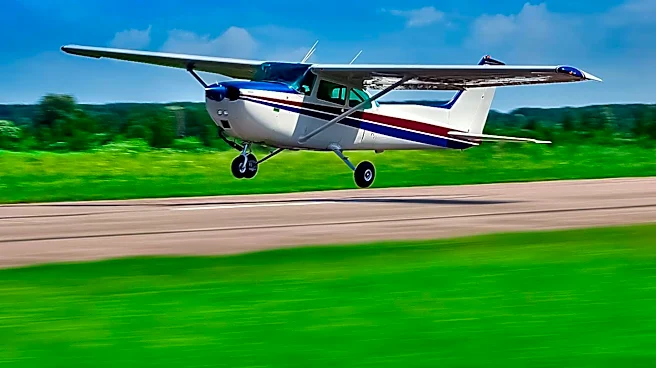
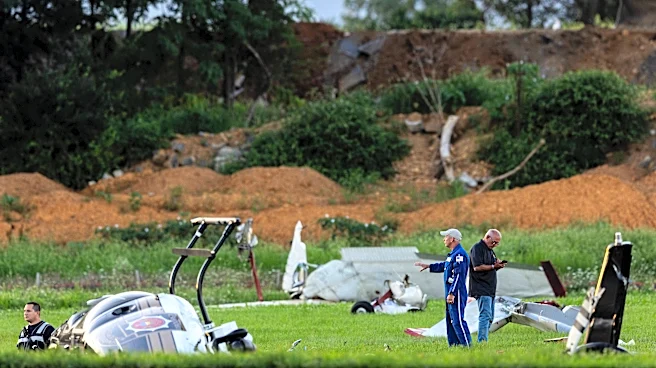
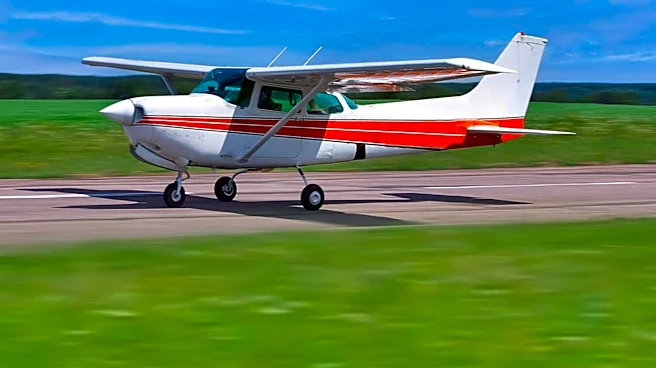
Investigators from the National Transportation Safety Board (NTSB), led by Aaron McCarter, are examining a fatal midair collision that occurred on Wednesday at a rural airport in Carlisle, Pennsylvania. A small Cessna 150 aircraft, piloted by Paul William
Sokoloski, 57, was attempting to land when it veered and struck the tail of a hovering Pennsylvania State Police Bell 407 helicopter. The helicopter was engaged in a training exercise beside the runway. The collision resulted in the death of the Cessna pilot and injuries to two state troopers, Cpl. Bryce Corman and Trooper Jason Mills, who were aboard the helicopter. Videos of the dramatic collision have circulated online. McCarter stated that there is no immediate explanation for the incident, and the investigation will analyze the wreckage, the actions of both pilots, and environmental factors at the time of the crash. Both pilots involved were flight instructors. Although there was no control tower, communication was established between the flight crews, and the Cessna pilot was reportedly aware of the helicopter's presence.
Why It's Important?
This incident highlights critical safety concerns in uncontrolled airspace, particularly at smaller airports without air traffic control towers. The fact that both pilots were flight instructors and had established communication yet still collided raises questions about visual acuity, flight path deviations, and the effectiveness of current communication protocols in such environments. The involvement of a state police helicopter underscores the risks associated with training exercises conducted near active runways. This event could lead to a reevaluation of safety procedures, training protocols, and communication requirements for both civilian and law enforcement aviation operations at uncontrolled airfields. The NTSB's findings will be crucial in identifying systemic issues and preventing similar tragedies, potentially influencing aviation regulations and pilot training standards across the U.S. The incident also brings attention to the inherent dangers faced by law enforcement personnel during routine training.
What's Next?
The NTSB investigation is in its early stages, with Aaron McCarter indicating that the wreckage will be thoroughly analyzed, and the aircraft, pilot actions, and environmental conditions will be examined. Investigators will look into why the Cessna's flight path was unusual and why it suddenly turned. They will also determine if there were any mechanical issues with the Cessna, as its pilot had performed maintenance prior to the flight. The NTSB will continue to gather evidence and interview witnesses to piece together the sequence of events leading to the collision. The findings of this investigation are expected to inform potential recommendations for improved aviation safety, particularly concerning operations at uncontrolled airports and the coordination between different types of aircraft. Governor Josh Shapiro reported that Cpl. Corman has been released from the hospital, and Trooper Mills is recovering with a good prognosis.
Beyond the Headlines
The midair collision at a rural Pennsylvania airport brings to light the complex challenges of managing airspace in environments without centralized air traffic control. While pilots are expected to communicate and maintain situational awareness, the incident suggests potential limitations in visual detection or interpretation of intentions, even among experienced flight instructors. This raises broader questions about the adequacy of current 'see and avoid' principles in increasingly crowded low-altitude airspace, especially with the proliferation of various aircraft types, including drones and law enforcement helicopters. The investigation may delve into human factors, such as cognitive biases or perceptual limitations, that could contribute to such accidents. The outcome could influence technological advancements in collision avoidance systems for smaller aircraft or lead to revised best practices for training exercises conducted by public safety agencies, emphasizing enhanced visual and electronic awareness in shared airspace.