







What's Happening?
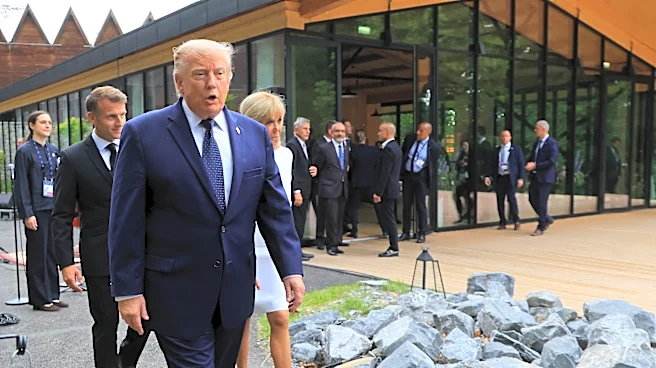
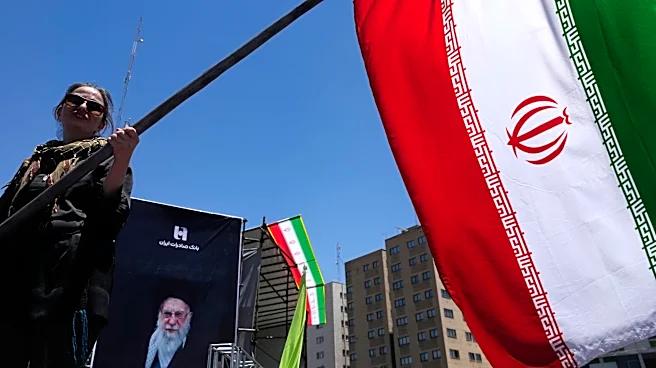
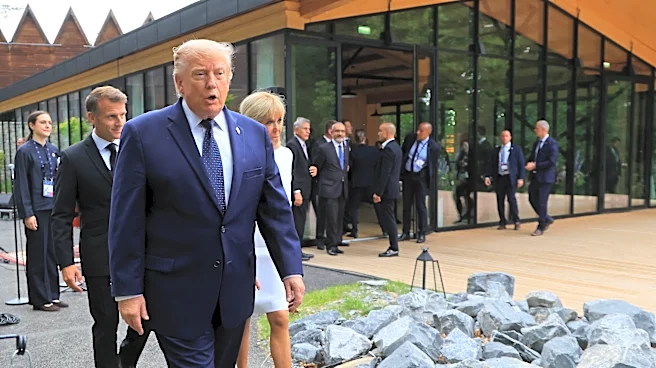
President Trump has publicly acknowledged that the ongoing conflict with Iran posed significant economic risks, particularly in the oil market. At the G-7 summit in France, he admitted that the potential for an 'economic catastrophe' was a key factor
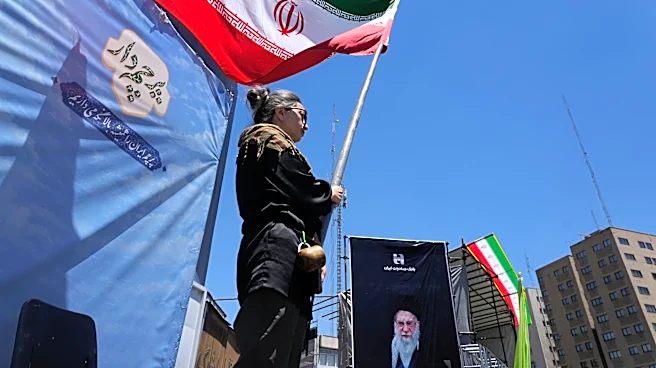
in pursuing a memorandum of understanding with Iran. The conflict had severely disrupted oil flows through the Strait of Hormuz, leading to a loss of 1.15 billion barrels of oil. This disruption placed immense pressure on global oil inventories, which have reached critically low levels. The reopening of the Strait of Hormuz has provided some relief, but the oil market remains fragile, with strategic reserves at their lowest since 1990. Analysts warn that the market is underpricing the risk of a shortage, as logistical challenges persist in returning to pre-conflict conditions.
Why It's Important?
The acknowledgment by President Trump highlights the interconnectedness of geopolitical conflicts and economic stability. The disruption in oil supply has significant implications for global energy markets and the U.S. economy. With strategic reserves depleted, the U.S. faces potential energy shortages that could drive up prices for consumers. The situation underscores the vulnerability of global supply chains and the importance of maintaining stable international relations to ensure economic security. The potential for increased oil prices could impact various sectors, from transportation to manufacturing, affecting both businesses and consumers. The situation also reflects the broader geopolitical dynamics in the Middle East and the strategic importance of the Strait of Hormuz in global oil trade.
What's Next?
The process of normalizing oil flows through the Strait of Hormuz is expected to take months, as mines need to be cleared and supply chains reactivated. During this period, the market will continue to rely on depleted inventories, increasing the risk of shortages. Analysts predict that U.S. consumers may face higher prices in the coming months, regardless of developments in the Strait. The oil market's response will depend on the pace at which production and distribution can resume. Additionally, political and economic stakeholders will need to monitor the situation closely to mitigate potential disruptions and ensure energy security.
Beyond the Headlines
The situation raises questions about the long-term sustainability of current energy policies and the need for diversification of energy sources. The reliance on oil from geopolitically unstable regions highlights the importance of investing in alternative energy and strengthening domestic energy production. The conflict also emphasizes the need for diplomatic solutions to prevent economic fallout from geopolitical tensions. The potential for economic instability due to energy shortages could influence future policy decisions and international relations, as countries seek to balance economic interests with security concerns.