






What's Happening?
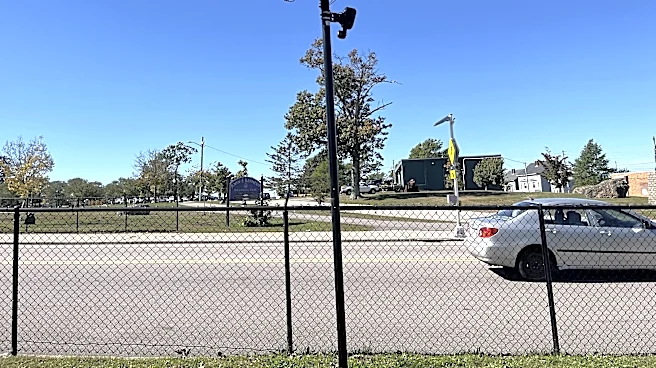
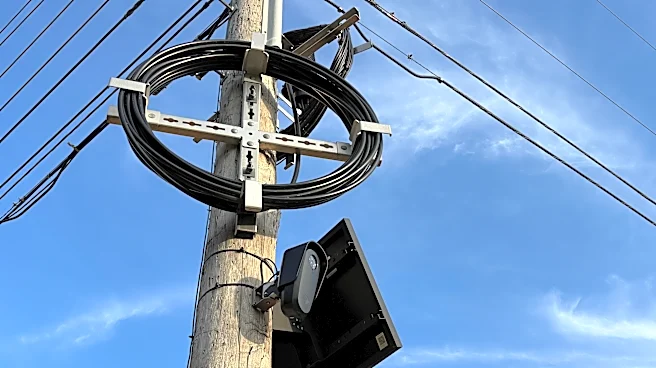
Joliet Junior College (JJC) is under scrutiny due to its contract with Flock Safety, a company that provides automatic license plate readers. Public records indicate that data captured by Flock cameras on JJC's campus was directly accessed by federal
immigration agents last year. This revelation has caused concern among students, particularly Latino students who comprise a third of the college's enrollment. Lui Rodriguez, a 26-year-old student, expressed shock and a feeling of 'backstab' regarding the college's contract with Flock, stating that the surveillance technology undermines the sense of belonging and safety the college strives to create. Katie Smith, a spokesperson for JJC, stated that college leaders and campus police proactively review access to Flock data and take any misuse seriously, emphasizing the college's commitment to a welcoming and inclusive environment while ensuring campus safety. The college's contract with Flock is scheduled for renewal in July 2027.
Why It's Important?
The situation at Joliet Junior College highlights a broader concern regarding the use of surveillance technology, specifically automatic license plate readers, on college campuses and the potential implications for student privacy and safety, especially for immigrant students. The direct access of campus surveillance data by federal immigration authorities raises questions about the balance between campus security and the protection of student civil liberties. This issue is particularly sensitive for institutions with significant immigrant student populations, as it can foster an environment of fear and distrust, potentially deterring students from attending or fully engaging in campus life. The incident also underscores the challenges colleges face in managing contracts with technology providers whose data-sharing practices may conflict with institutional values or student welfare. The ongoing debate about Flock cameras on Illinois campuses reflects a national conversation about the ethical use of surveillance technology and its impact on vulnerable communities.
What's Next?
Joliet Junior College's contract with Flock Safety is up for renewal in July 2027, which will likely prompt further discussion and potential action regarding the future of these surveillance cameras on campus. Students and educators across Illinois are already advocating for colleges to terminate their contracts with Flock, citing concerns about student privacy and the endangerment of immigrant students. The college will need to address these concerns and decide whether to renew its contract, explore alternative security measures, or implement stricter data access protocols. The outcome at JJC could influence other educational institutions in Illinois and beyond that utilize similar surveillance technologies. The ongoing public discourse and advocacy efforts will likely continue to pressure colleges to re-evaluate their partnerships with surveillance companies and prioritize student privacy and well-being.
Beyond the Headlines
The controversy surrounding Flock cameras at Joliet Junior College extends beyond immediate privacy concerns, touching upon deeper ethical and cultural dimensions within educational institutions. The perceived 'backstab' felt by students like Lui Rodriguez underscores a fundamental tension between security measures and the creation of an inclusive, trusting learning environment. For immigrant students, the presence of such surveillance, coupled with federal agency access, can evoke feelings of vulnerability and fear, potentially impacting their academic performance and overall well-being. This situation also highlights the evolving role of technology companies in public spaces and their responsibility in data governance, especially when their products are used in sensitive environments like schools. The incident prompts a re-evaluation of how colleges balance their duty to provide a safe campus with their commitment to fostering an open and welcoming atmosphere for all students, particularly those from marginalized communities. It also raises questions about the transparency and accountability of data-sharing agreements between private companies and government agencies.