




What's Happening?
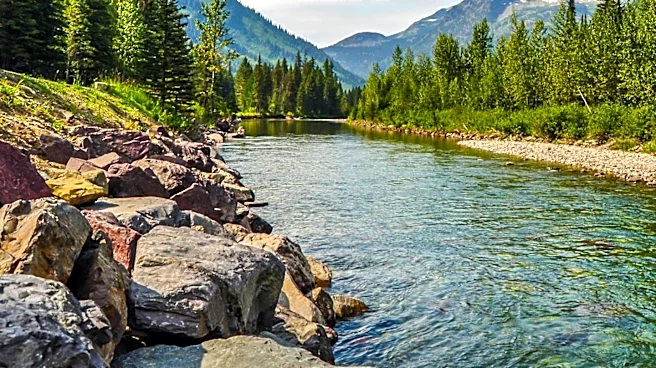
Representative Ryan Zinke has introduced the 'A River Runs Through It Act,' a comprehensive public lands package for Montana's Blackfoot and Clearwater Valleys. This legislation, developed over two decades through collaborative efforts by local communities,
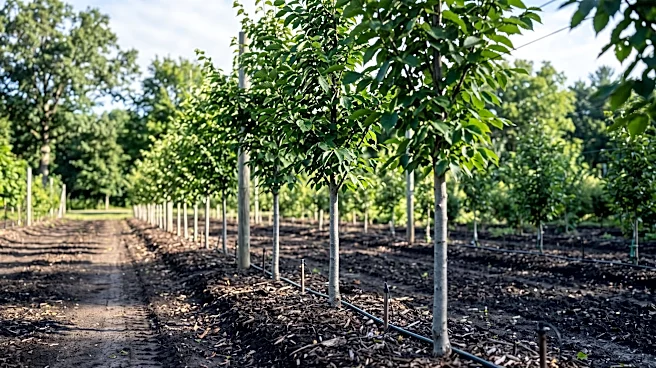
conservation organizations, sportsmen's groups, and businesses, aims to manage approximately 430,000 acres. The act seeks to protect iconic landscapes, expand recreational access, and strengthen forest restoration efforts. It also addresses long-standing wilderness study area designations and supports rural economies. Key provisions include designating six Forest Restoration Areas totaling about 180,000 acres for timber harvest and forest health projects, increasing forest management around Lincoln to reduce wildfire risks, and creating six designated recreation areas covering roughly 60,000 acres. These recreation areas will secure permanent winter access for snowmobiles, add new mountain biking routes, and establish a 70-mile Off-Highway Vehicle trail loop. Additionally, the bill proposes adding approximately 100,000 acres to the Bob Marshall and Scapegoat wilderness areas, creating wilderness on Nevada Mountain, and releasing about 23,000 acres of Wilderness Study Area land for public access and multiple use.
Why It's Important?
This legislation is significant for Montana as it represents a locally driven approach to public land management, aiming to balance conservation with economic development and recreational access. If passed, it would establish Montana's first new wilderness designation since 2014, reflecting a renewed commitment to preserving natural heritage. The act's focus on active forest management and timber production is crucial for supporting the state's timber industry, creating jobs, and mitigating wildfire risks, which are increasingly pressing concerns in Western states. By expanding recreational opportunities for various user groups, including hunters, anglers, hikers, mountain bikers, and snowmobilers, the bill seeks to enhance the quality of life for residents and boost local tourism economies. The collaborative process behind the act, involving diverse stakeholders, demonstrates a potential model for resolving complex land use issues through consensus-building rather than top-down mandates. This approach could serve as a precedent for other regions facing similar challenges in balancing environmental protection with economic and community needs.
What's Next?
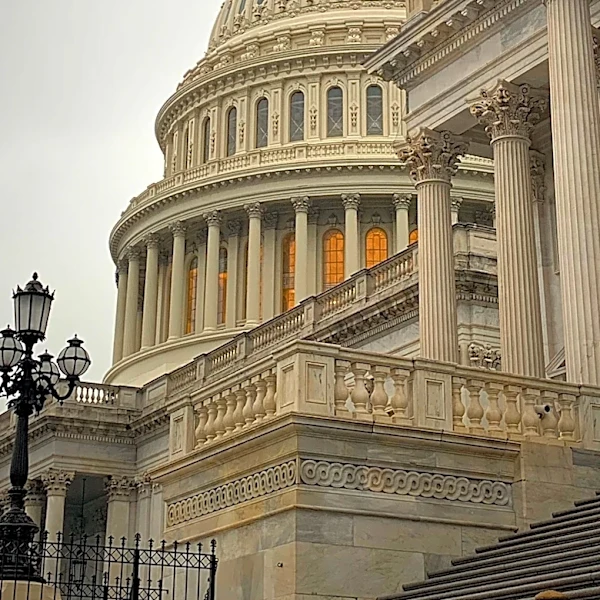
The 'A River Runs Through It Act' will now proceed through the legislative process in the U.S. Congress. Its passage will depend on gaining sufficient support from other lawmakers, including Montana's delegation. Stakeholders, including the various conservation, recreation, and industry groups that helped shape the proposal, will likely advocate for its swift approval. If enacted, the next steps would involve the implementation of the act's provisions by relevant federal and state agencies, such as the U.S. Forest Service. This would include detailed planning for forest restoration projects, the establishment and management of new recreation areas, and the formal designation of new wilderness areas. The success of the act's objectives, such as reducing wildfire risk and supporting rural economies, will be closely monitored by local communities and environmental organizations. The collaborative spirit that led to the bill's creation will be essential for its effective implementation and for ensuring that the diverse interests of Montanans continue to be met.
Beyond the Headlines
The 'A River Runs Through It Act' highlights a broader shift towards community-led conservation efforts in the United States, where local voices and diverse interests are brought together to craft sustainable land management solutions. This approach contrasts with historical methods that often led to contentious disputes between environmental groups, industries, and local communities. The act's emphasis on 'multiple use' signifies an attempt to reconcile seemingly conflicting goals—such as timber production and wilderness preservation—by finding common ground. This model could foster greater trust and cooperation among stakeholders, potentially reducing litigation and accelerating conservation outcomes. Furthermore, the legislation's focus on wildfire mitigation through active forest management underscores a growing recognition of the need for proactive measures to address the impacts of climate change on Western landscapes. The long-term success of this act could influence future public land policy, demonstrating that local collaboration can lead to durable solutions that benefit both the environment and the economy.