






What's Happening?
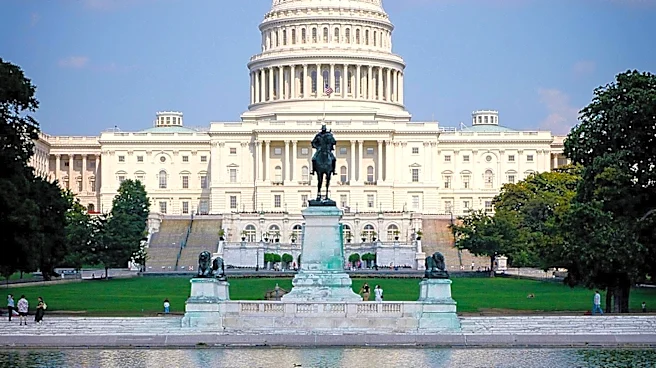
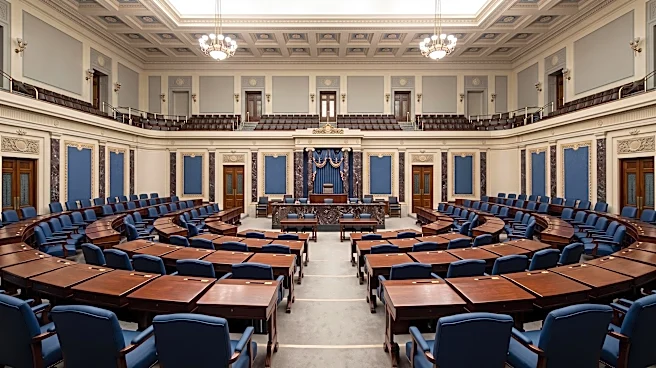
The Combating Illicit Xylazine Act, introduced by Congressman Chris Pappas (NH-01) and Congressman Jimmy Panetta (CA-19), has unanimously passed the House of Representatives. The bipartisan legislation aims to classify xylazine as a Schedule III controlled
substance under the Controlled Substances Act. This measure is designed to combat the illicit use of xylazine, an animal tranquilizer, as a cutting agent in deadly drugs like fentanyl, which exacerbates the opioid crisis. The bill also includes provisions to protect the legal use of xylazine by veterinarians, farmers, and ranchers, ensuring they can continue to use the drug for its intended purpose. The legislation now advances to the Senate for further consideration.
Why It's Important?
The passage of the Combating Illicit Xylazine Act is a critical step in addressing the evolving drug crisis in the United States. Xylazine, often referred to as 'tranq,' is increasingly found mixed with fentanyl, leading to more severe and life-threatening impacts for users. By scheduling xylazine as a controlled substance, law enforcement agencies will gain necessary tools to track its manufacture and crack down on traffickers who divert it to the illicit market. This legislation reflects a bipartisan recognition of the urgency to combat the spread of this dangerous drug while carefully balancing the needs of the agricultural and veterinary sectors. The bill's endorsement by 41 state attorneys general, major law enforcement organizations, and veterinary groups underscores its broad support and perceived effectiveness in tackling a complex public health and safety issue.
What's Next?
The Combating Illicit Xylazine Act now moves to the Senate for consideration. Companion legislation has already been reintroduced in the Senate by Senators Catherine Cortez Masto (D-NV) and Chuck Grassley (R-IA), indicating a potential for bipartisan support in the upper chamber. Proponents of the bill are urging the Senate to swiftly pass the legislation to get it signed into law before the end of the current Congress. If enacted, the Drug Enforcement Administration (DEA) would be empowered to track xylazine manufacturing, and law enforcement would have enhanced capabilities to prosecute those involved in its illicit distribution. The legislation also mandates a report on the prevalence, risks, and recommendations regarding xylazine, which could inform future policy decisions.
Beyond the Headlines
The rise of xylazine in the illicit drug supply highlights a concerning trend in the opioid crisis: the continuous evolution of dangerous drug combinations. This legislation represents a reactive measure to a new threat, underscoring the dynamic nature of drug trafficking and the challenges faced by public health and law enforcement officials. Beyond immediate enforcement, the scheduling of xylazine could prompt broader discussions on the regulation of veterinary pharmaceuticals and the potential for diversion of other legal substances for illicit purposes. The bill's careful balance between law enforcement needs and legitimate veterinary use also sets a precedent for how future legislative responses might address similar emerging drug threats, emphasizing the need for nuanced approaches that consider multiple stakeholders and potential unintended consequences.