



What's Happening?
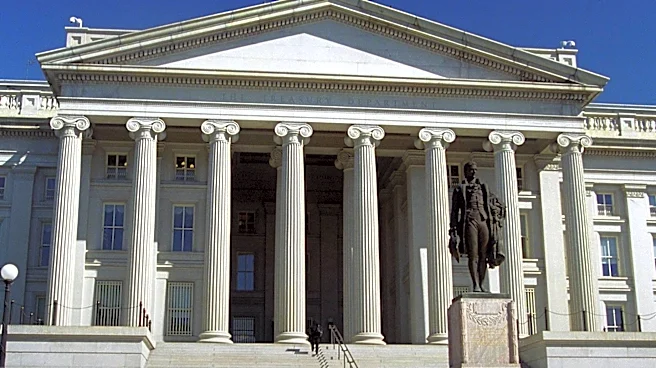
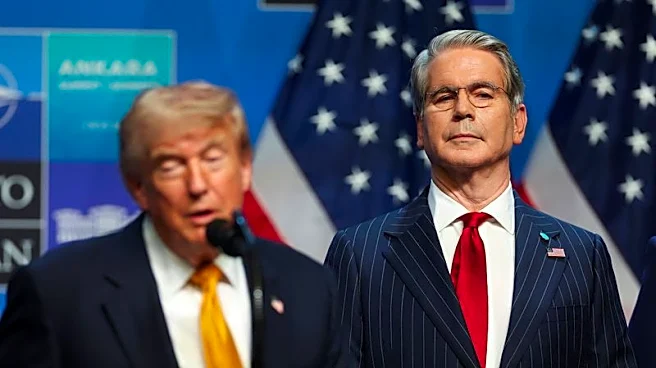
U.S. Secretary of the Treasury Scott Bessent, accompanied by FBI Director Kash Patel, Centers for Medicare & Medicaid Services Administrator Dr. Mehmet Oz, and Federal Trade Commission Chairman Andrew Ferguson, announced new initiatives for the Trump
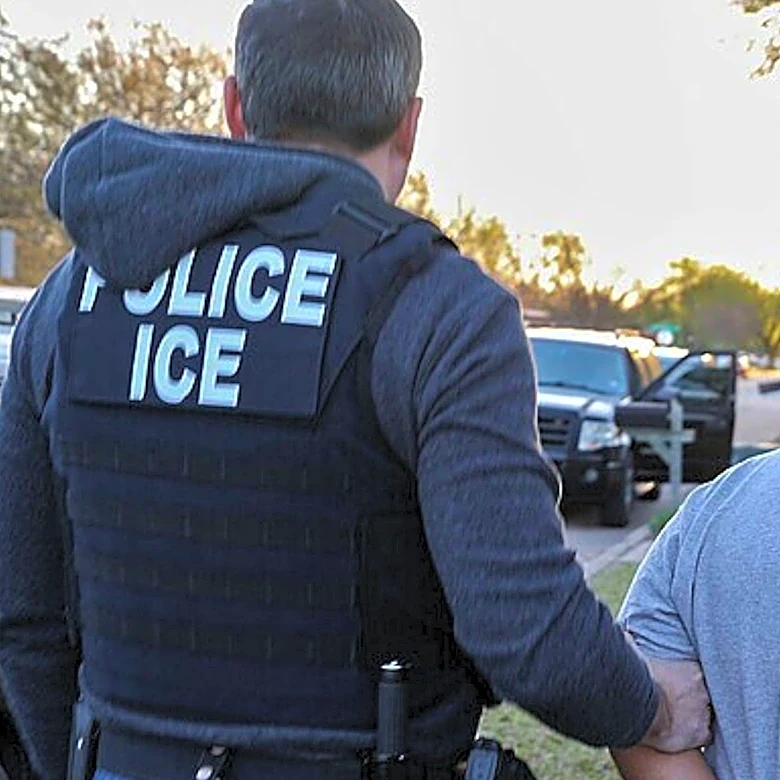
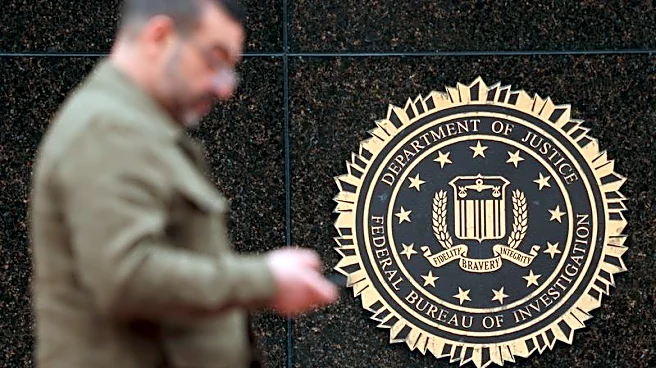
administration's 'War on Fraud' in St. Cloud, Minnesota. This announcement followed the cancellation of an appearance by Vice President JD Vance. During the event, FBI Director Patel detailed four fraud-related arrests resulting from 17 search warrants executed in Minnesota. These arrests included individuals associated with a childcare center, Aspen Associates, and American Home Healthcare, facing charges ranging from healthcare fraud to conspiracy to defraud the U.S., with alleged intended losses totaling millions of dollars. Secretary Bessent also introduced an online portal for citizens to report suspected fraud and a $25 million 'fraud whistleblower incentive program,' offering rewards of up to $30,000 for tips leading to convictions or enforcement actions.
Why It's Important?
The 'War on Fraud' initiative signifies a concentrated effort by the Trump administration to combat financial crimes, particularly in healthcare. The establishment of a centralized online portal for reporting fraud and a whistleblower incentive program aims to streamline the reporting process and encourage public participation in identifying fraudulent activities. This could lead to a significant increase in reported cases and subsequent investigations, potentially recovering substantial amounts of taxpayer money lost to fraud. For industries like healthcare, increased scrutiny and enforcement could lead to stricter compliance requirements and a more challenging operating environment for entities engaged in illicit practices. The involvement of multiple federal agencies underscores a coordinated approach, suggesting a broad impact on various sectors susceptible to fraud.
What's Next?
Following the announcement, federal agencies are expected to intensify their investigations into fraud cases across the U.S., leveraging the new online reporting portal and whistleblower program. The focus on healthcare fraud suggests that providers and related services will face heightened scrutiny. The Trump administration's continued emphasis on combating fraud, as part of its broader 'War on Fraud,' indicates that similar initiatives and enforcement actions may be rolled out in other states or sectors. Businesses and individuals involved in government contracts or receiving federal funds should anticipate increased oversight and the potential for more frequent audits and investigations. The success of the whistleblower program will depend on public engagement and the effectiveness of the new reporting mechanisms.
Beyond the Headlines
The 'War on Fraud' initiative, particularly with its whistleblower program, raises important questions about the balance between incentivizing reporting and preventing potential misuse or false accusations. While designed to combat illicit activities, such programs can sometimes lead to an increase in frivolous claims or retaliatory actions. The long-term success of this initiative will depend on the robustness of the investigative processes and the ability of federal agencies to distinguish legitimate tips from unfounded allegations. Furthermore, the initiative reflects a broader governmental trend towards leveraging public participation in law enforcement efforts, potentially shifting some responsibility for oversight onto citizens. This could foster a more vigilant public but also necessitates clear guidelines and protections for whistleblowers.