

What's Happening?
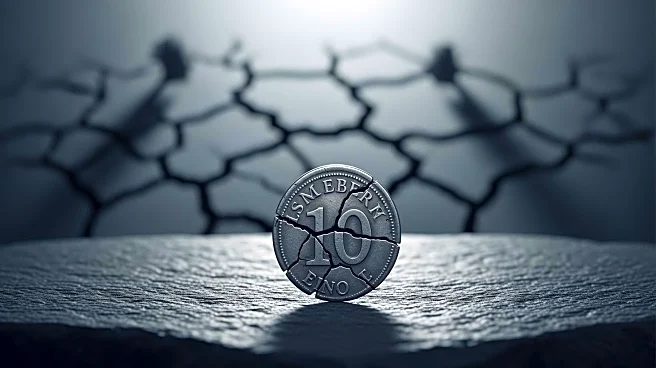
Iran is witnessing its largest protests in three years following a significant drop in the value of its currency, the rial, which plummeted to a record low against the US dollar. The protests were sparked by the resignation of Mohammad Reza Farzin, the head
of the Central Bank, amid the economic turmoil. Demonstrations have erupted in major cities including Tehran, Isfahan, Shiraz, and Mashhad, with traders and shopkeepers rallying in key areas such as Saadi Street and the Grand Bazaar in Tehran. The protests are reminiscent of the 1979 Islamic Revolution, where merchants played a pivotal role. The economic crisis is exacerbated by inflationary pressures, with food prices rising by 72% and health items by 50% compared to the previous year. The situation is further strained by recent gasoline price changes and potential tax increases in the upcoming Iranian new year.
Why It's Important?
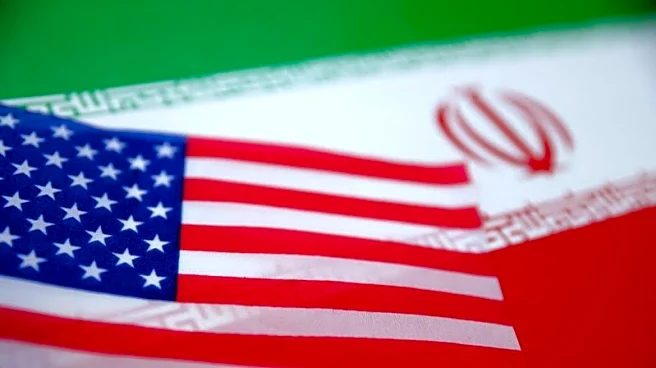
The protests highlight the severe economic challenges facing Iran, which are compounded by international sanctions and internal policy decisions. The currency's depreciation is a critical issue, affecting the cost of living and increasing public discontent. The economic instability is a direct consequence of the unraveling of the 2015 nuclear accord, which had initially lifted sanctions in exchange for nuclear program controls. The U.S. withdrawal from the deal under President Trump in 2018 has led to renewed sanctions, further crippling Iran's economy. The current protests could lead to increased political pressure on the Iranian government and potentially influence future international negotiations regarding Iran's nuclear program and economic policies.
What's Next?
The Iranian government may face increased pressure to stabilize the economy and address public grievances. Potential responses could include economic reforms or attempts to renegotiate international agreements to alleviate sanctions. The protests could also lead to a crackdown by authorities, as seen in previous demonstrations. Internationally, the situation may prompt discussions among global powers about re-engaging with Iran to prevent further economic and political instability in the region. The outcome of these protests could significantly impact Iran's domestic policies and its relations with other countries.
Beyond the Headlines
The ongoing protests in Iran underscore the broader implications of economic mismanagement and international isolation. The situation raises questions about the sustainability of Iran's current economic model and the potential for social unrest to drive political change. The protests also highlight the role of economic factors in shaping public opinion and political dynamics in authoritarian regimes. Additionally, the economic crisis in Iran could have ripple effects across the region, influencing trade and diplomatic relations with neighboring countries.