




What's Happening?
Montgomery County Mosquito Control is actively engaged in a comprehensive program to combat mosquito-borne diseases, particularly during the peak mosquito season from May to October. The program focuses on surveillance, treatment, and public education.
Mosquito technicians set traps across residential areas to identify species and test for diseases like West Nile virus. They also locate and catalog breeding sites on public property and county right-of-ways. Treatment activities include truck-based Ultra-Low Volume (ULV) spraying and the application of larvicides to kill mosquito larvae before they mature. These decisions are guided by data collected by the team and adhere to guidelines from the Texas Department of State Health Services (TDSHS) and the Centers for Disease Control (CDC). The county also educates residents on identifying breeding sites, using repellents, and understanding mosquito behavior to foster community involvement in prevention efforts.
Why It's Important?
This proactive approach by Montgomery County Mosquito Control is crucial for public health, as mosquitoes are vectors for serious diseases such as West Nile virus. By systematically monitoring mosquito populations and implementing targeted treatments, the county aims to reduce the incidence of these illnesses among its residents. The educational component empowers individuals to take preventative measures, thereby creating a more resilient community against mosquito-borne threats. The collaboration with state and federal health agencies ensures that control methods are scientifically sound and effective. This integrated pest management strategy not only protects human health but also minimizes environmental impact by focusing on larval control and judicious use of insecticides, safeguarding local ecosystems while addressing a significant public health concern.
What's Next?
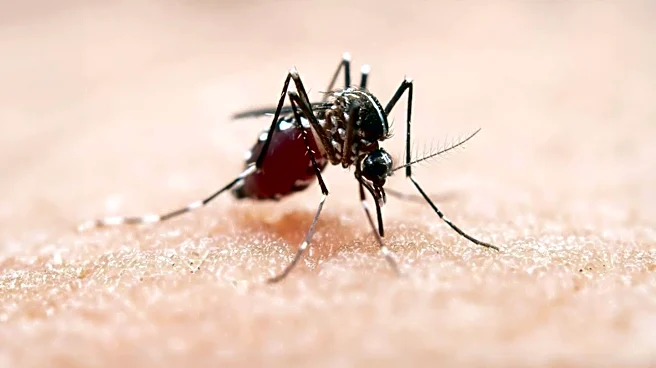
Montgomery County Mosquito Control will continue its surveillance, treatment, and education efforts throughout the mosquito season, which typically concludes at the end of October. The department will likely adjust its strategies based on real-time data regarding mosquito populations and disease activity. Ongoing public outreach programs will aim to maintain community awareness and participation in mosquito control. Residents can expect continued monitoring of local mosquito species, including the Southern House Mosquito (Culex quinquefasciatus), Asian Tiger Mosquito (Aedes albopictus), and White-Footed Mosquito (Psorophora ferox), to inform future interventions. The program's success will depend on sustained community engagement and adherence to recommended guidelines.
Beyond the Headlines
The efforts in Montgomery County highlight a broader challenge faced by many U.S. communities in managing vector-borne diseases, which are increasingly influenced by factors like climate change and urbanization. The focus on integrated pest management, combining surveillance, chemical control, and public education, represents a modern approach to public health. This strategy acknowledges that effective disease prevention requires not only governmental action but also informed community participation. The program's emphasis on minimizing environmental impact through larvicides and targeted spraying reflects a growing awareness of ecological considerations in public health interventions, aiming for a balance between disease control and environmental stewardship. This model could serve as a blueprint for other regions grappling with similar public health threats.