




What's Happening?
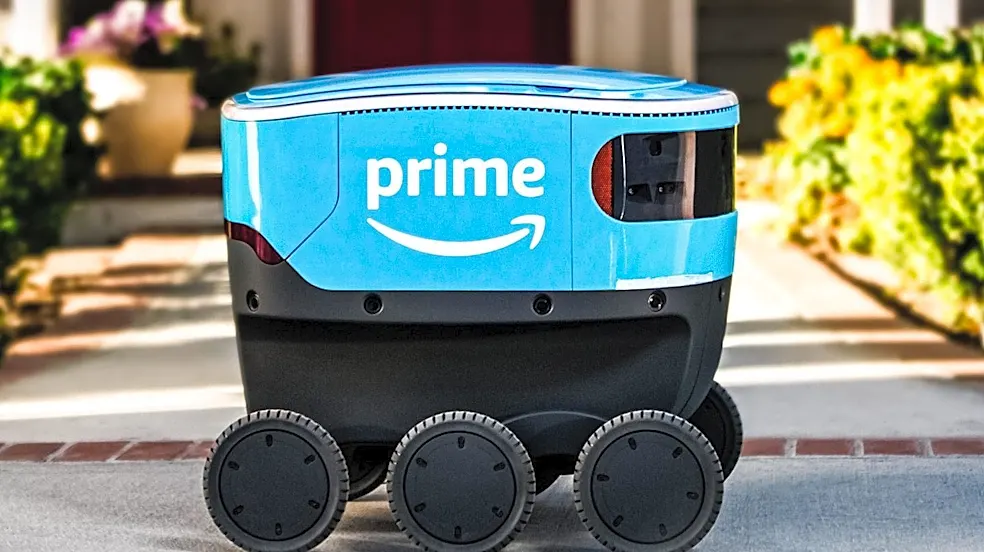
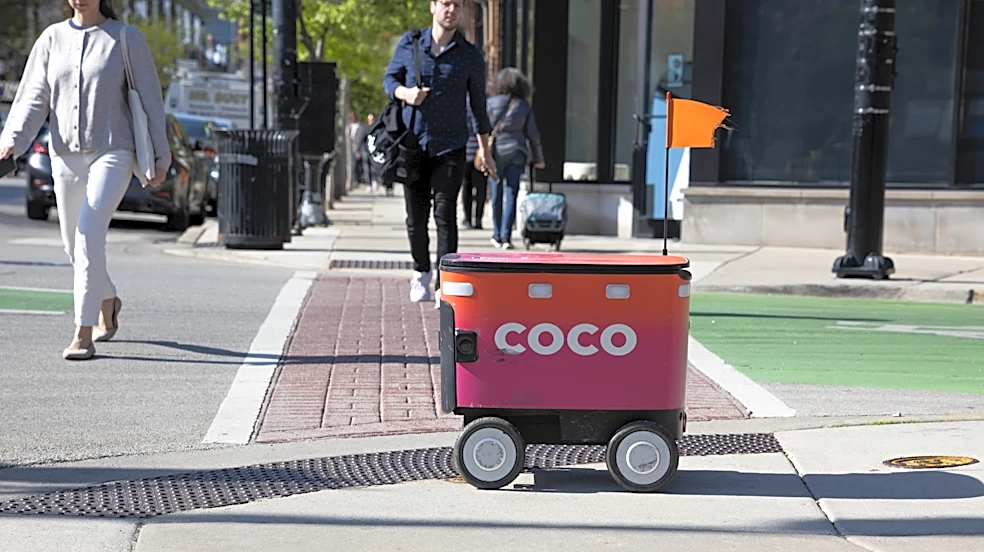
Two delivery robot companies, Coco Robotics and Serve Robotics, are facing separate class-action lawsuits in Cook County court in Chicago. The lawsuits, filed by two customers, allege that the companies' robots collected their biometric data, including
facial and hand scans, without their knowledge or consent, violating the Illinois Biometric Privacy Act. The plaintiffs claim that the robots' cameras and LiDAR technology captured measurements of their faces and hands as they retrieved orders. One plaintiff stated his order was assigned to a Coco robot without his selection, and he had to stand close to the machine to enter a code. The lawsuits further allege that the companies retain this video and sensor data to train AI systems and have shared data with third parties. Both Coco and Serve Robotics deny the allegations, stating they do not collect biometric information from customers or passersby.
Why It's Important?
These lawsuits highlight growing concerns about privacy and data collection in the rapidly expanding field of autonomous delivery services in the U.S. The Illinois Biometric Privacy Act is one of the strictest laws of its kind, requiring explicit written consent for the collection of biometric data. If the allegations are proven true, it could set a significant precedent for how technology companies must operate when deploying AI-powered devices in public spaces, particularly regarding personal data. The outcome of these cases could influence regulatory frameworks for delivery robots nationwide, potentially leading to stricter guidelines on data collection, transparency, and user consent. This also underscores the broader societal debate about surveillance, data ownership, and the ethical implications of AI training using potentially sensitive personal information.
What's Next?
The lawsuits seek statutory damages of $1,000 per negligent violation or $5,000 per intentional or reckless violation, along with other relief. Both Coco and Serve Robotics have stated they will defend against the lawsuits, with Coco expressing confidence that the lawsuit is 'frivolous.' The legal proceedings will likely involve detailed examinations of the robots' technological capabilities, data collection protocols, and the companies' privacy policies. Beyond the courts, these lawsuits could intensify public and governmental scrutiny of Chicago's delivery robot pilot program, which is set to expire in May 2027. City officials may face increased pressure to review and potentially revise regulations concerning robot operations, data privacy, and public safety, especially given existing concerns from residents about sidewalk obstruction and surveillance.
Beyond the Headlines
The legal challenges against delivery robot companies extend beyond immediate privacy concerns, touching upon broader societal implications of autonomous technology integration. The allegations of data sharing with third parties for AI training raise questions about the commercialization of personal data collected by these devices and the potential for misuse. This situation also reflects a growing tension between technological innovation and individual rights, particularly in urban environments where these robots operate. The public's reaction, including petitions and aldermanic opposition to robot expansion, indicates a demand for greater transparency and accountability from companies deploying such technologies. The outcome of these lawsuits could shape consumer trust in autonomous delivery services and influence the future trajectory of smart city initiatives that rely on extensive sensor networks and data collection.