

What's Happening?
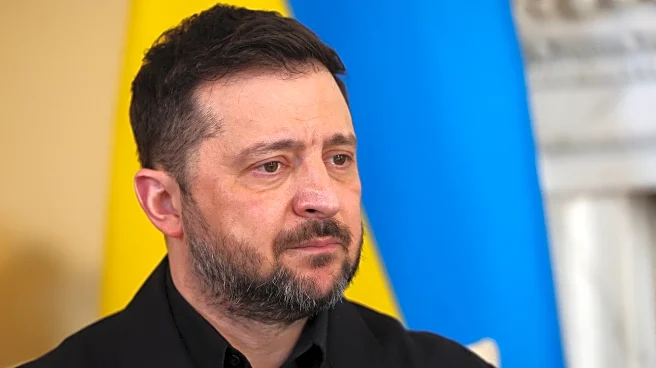
In an interview with NBC News, Ukrainian President Volodymyr Zelenskyy alleged that Russia is providing intelligence support to Iran, aimed at targeting U.S. forces. This claim comes amidst ongoing geopolitical tensions and military activities in the
Middle East. Zelenskyy discussed how Russian President Vladimir Putin is leveraging the conflict in the region to his advantage, while Ukraine shares its expertise in drone warfare. The interview highlights the complex interplay of international relations and military strategies involving Russia, Iran, and the United States.
Why It's Important?
Zelenskyy's allegations, if accurate, could have significant implications for U.S. military operations and diplomatic relations in the Middle East. The sharing of intelligence between Russia and Iran could pose new threats to U.S. forces, potentially altering military strategies and necessitating increased security measures. This development underscores the intricate and often volatile nature of international alliances and conflicts, with potential repercussions for global stability and U.S. foreign policy.
What's Next?
The U.S. government may need to reassess its military and diplomatic strategies in response to these claims. Potential actions could include increased intelligence gathering, strategic military adjustments, and diplomatic engagements with allies to counteract any threats posed by the alleged intelligence sharing. The situation may also prompt discussions within international forums regarding the conduct and implications of such alliances.