
What's Happening?
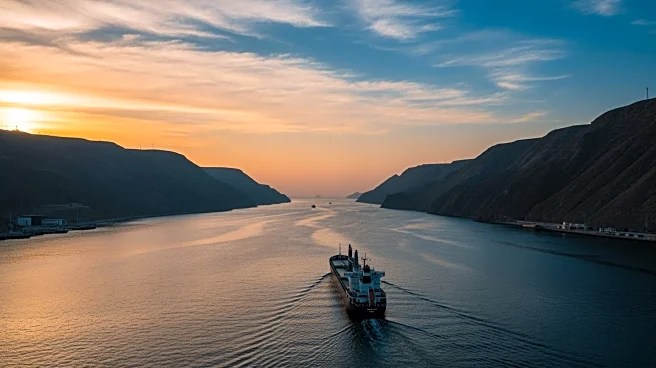
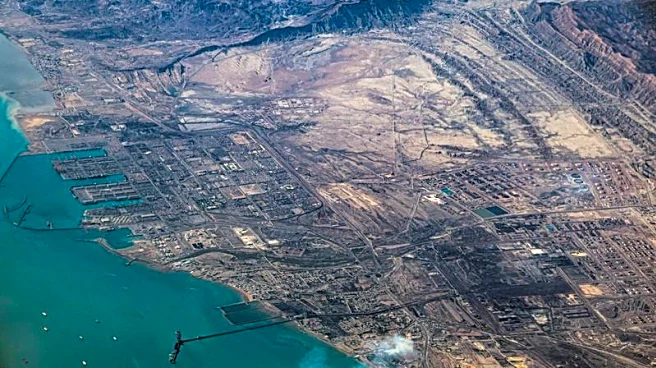
The ongoing conflict involving the U.S. and Iran has led to a significant increase in maritime insurance premiums, particularly for war risk coverage. The Strait of Hormuz, a critical shipping route, has become a focal point of tension following Israeli-U.S.
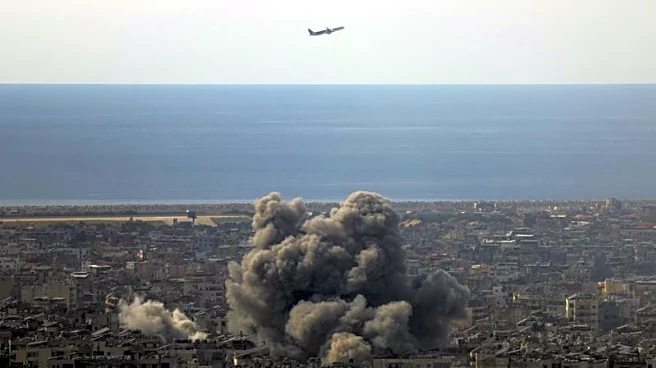
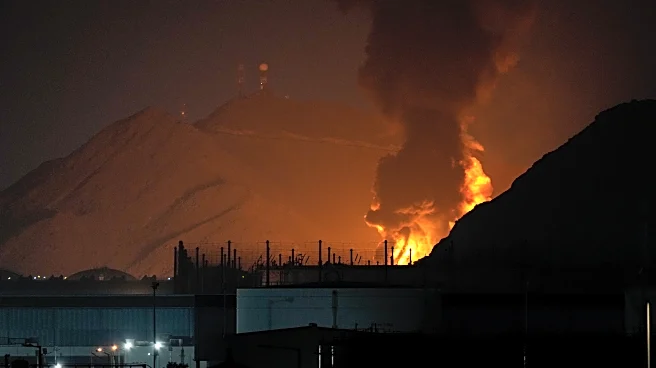
air strikes against Tehran. Iran has threatened to target any ships attempting to pass, resulting in damage to at least nine vessels. This has caused insurance premiums to rise sharply, with some increasing by over 1000%. The heightened risk and increased costs are affecting ship owners, traders, and energy companies, with potential implications for global energy prices and inflation.
Why It's Important?
The surge in maritime insurance costs reflects the broader economic impact of geopolitical tensions in the Gulf region. The Strait of Hormuz is a vital corridor for global energy supplies, and disruptions here can have far-reaching effects on oil prices and supply chains. The increased insurance costs add financial pressure on shipping companies and could lead to higher energy prices globally. This situation underscores the interconnectedness of geopolitical events and global economic stability, highlighting the need for diplomatic solutions to prevent further escalation and economic disruption.
What's Next?
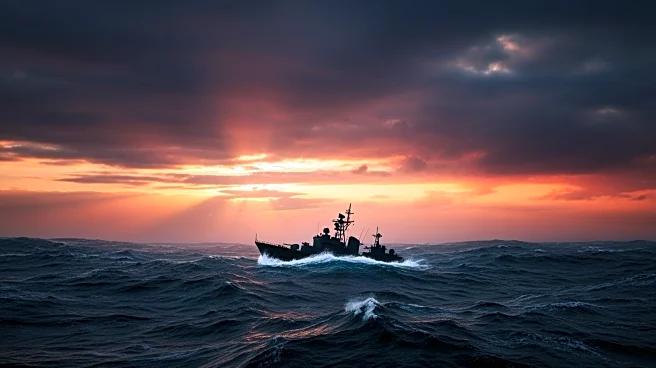
The U.S. administration is exploring measures to stabilize the situation, including potential naval escorts for oil tankers and financial guarantees for maritime trade. However, the specifics of these interventions remain unclear, and the effectiveness of such measures in reducing insurance costs and ensuring safe passage through the Strait is uncertain. The ongoing conflict and its impact on shipping routes will likely continue to be a focus of international diplomatic efforts, with significant implications for global energy markets and economic stability.