




What's Happening?
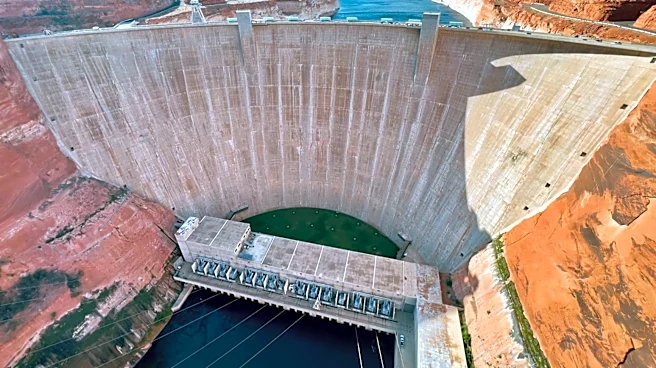
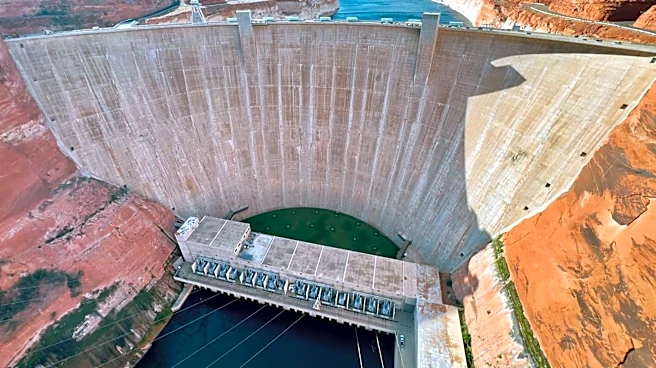
The U.S. government has proposed a new water-sharing plan for the Colorado River, which could result in up to a 40% reduction in water supplies for Arizona, California, and Nevada. This plan, introduced by the U.S. Bureau of Reclamation, aims to address
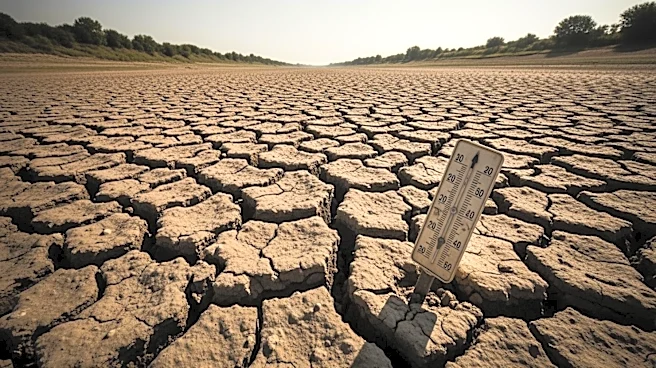
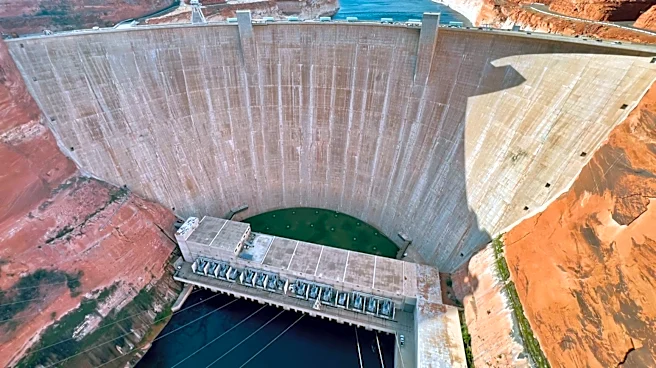
severe water shortages as the river's reservoirs, Lake Mead and Lake Powell, are critically low. The proposal suggests cutting water use by up to 3 million acre-feet annually over a 10-year period, a measure that would be reviewed every two years. This comes after a 20-year-old water management plan expired and negotiations among the seven states that share the river reached an impasse. The plan is designed to maintain water levels in the river's reservoirs and is nearly double the reduction previously offered by the lower-basin states.
Why It's Important?
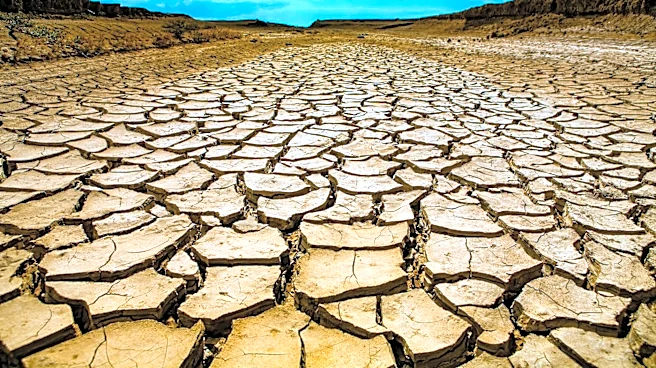
The proposed water cuts are significant as they could impact millions of people and industries reliant on the Colorado River. The river is a crucial water source for approximately 40 million people in the American West, supporting agriculture, urban areas, and ecosystems. The cuts could lead to increased water scarcity, affecting agricultural productivity and urban water supplies. The plan underscores the urgent need for sustainable water management practices in the face of prolonged drought and climate change. It also highlights the challenges of interstate water negotiations and the potential for federal intervention when state-level agreements fail.
What's Next?
The federal plan is set to be finalized in June, with water reductions evaluated every two years. The implementation will depend on existing Colorado River laws or new agreements among the states. The proposal requires cooperation from state water agencies and the federal government. As the plan progresses, stakeholders, including state governments and water agencies, will need to navigate the legal and logistical challenges of implementing such significant cuts. The situation may prompt further negotiations and adjustments to water management strategies in the region.