





What's Happening?
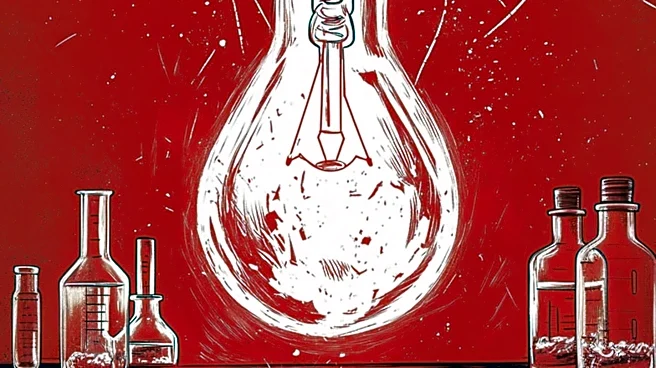
The lab-leak theory regarding the origins of the COVID-19 pandemic has led to a series of legal and professional challenges for several U.S. scientists. Notable figures, including virologist Ralph Baric and influenza specialist David Morens, have faced
legal actions and professional setbacks. Baric is under scrutiny for alleged violations related to gain-of-function research, while Morens has been indicted for conspiring to hide discussions about coronavirus research grants. These developments are part of a broader push by lab-leak proponents to hold scientists accountable for their perceived roles in the pandemic's origins. The cases have drawn attention to the National Institute of Allergy and Infectious Diseases (NIAID) and its former director, Anthony Fauci.
Why It's Important?
The legal actions and professional challenges faced by these scientists underscore the contentious nature of the lab-leak theory and its impact on the scientific community. The scrutiny of prominent researchers could influence public perception of scientific research and biosafety practices. The outcomes of these cases may affect future research funding and regulatory policies, with potential implications for scientific innovation and public health preparedness. The situation highlights the need for clear guidelines and oversight in research involving dangerous pathogens.
Beyond the Headlines
The lab-leak theory has become a focal point for political and scientific debate, with significant implications for U.S. research policy. The cases against these scientists reflect broader tensions between scientific inquiry and public accountability. The situation raises ethical questions about the balance between scientific freedom and safety, as well as the role of government oversight in research. The ongoing legal proceedings may set precedents for how similar cases are handled in the future, influencing the relationship between science and policy.