







What's Happening?
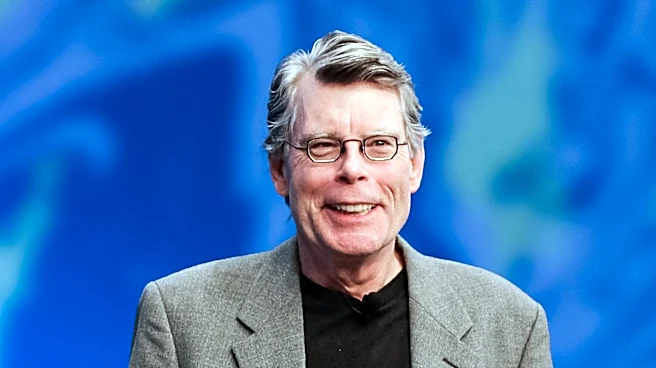
A collection of novellas by Stephen King, titled 'Different Seasons', has been banned from public school libraries in Utah. This decision follows a vote by four school districts to remove the book, which led to a statewide ban under Utah law. The law permits
a book to be banned from all public schools if it is deemed to contain 'objective sensitive material', such as content considered 'pornographic' or 'harmful to minors'. 'Different Seasons' includes stories that inspired the films 'The Shawshank Redemption' and 'Stand by Me'. The ban has been met with criticism, including a lawsuit filed by the ACLU of Utah on behalf of several authors' estates, arguing that the state's book restrictions violate First and Fourteenth Amendment rights. Stephen King, who has previously been named the most banned author in U.S. schools by PEN America, expressed his disapproval of the ban on social media.
Why It's Important?
The banning of 'Different Seasons' highlights ongoing debates over censorship and educational content in the United States. The decision reflects broader national discussions about what constitutes appropriate material for students and the role of schools in regulating access to literature. The legal challenge by the ACLU underscores concerns about potential violations of constitutional rights, particularly regarding freedom of speech and equal protection under the law. This case could set a precedent for how similar disputes are handled in the future, affecting authors, educators, and students nationwide. The controversy also raises questions about the balance between protecting minors and preserving intellectual freedom in educational settings.
What's Next?
The lawsuit filed by the ACLU of Utah is likely to proceed through the courts, potentially leading to a judicial review of the state's book banning policies. This could result in changes to how books are evaluated and banned in schools, depending on the outcome. Stakeholders, including educators, parents, and civil rights organizations, may continue to advocate for or against the ban, influencing public opinion and policy. The case may also prompt other states to re-evaluate their own policies on educational content, especially if the court's decision has broader implications for First Amendment rights.