





What's Happening?
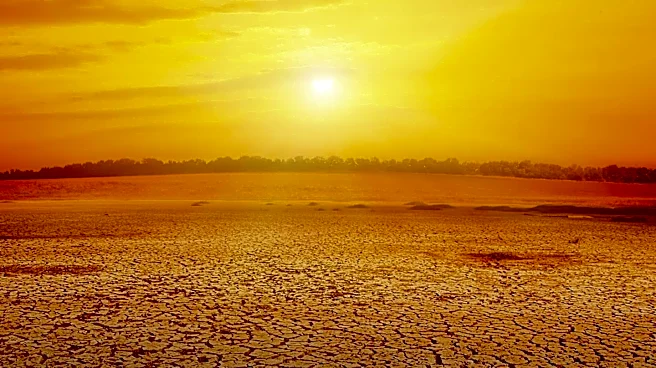
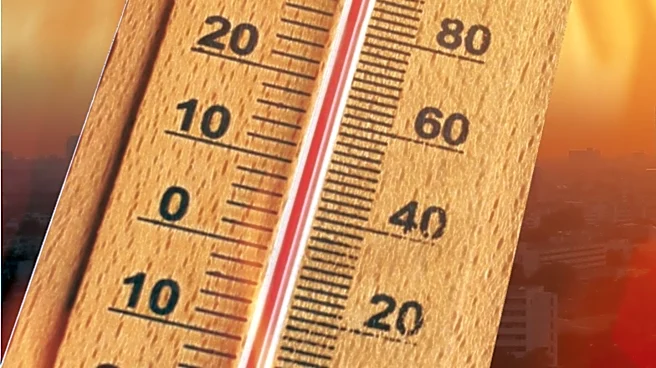
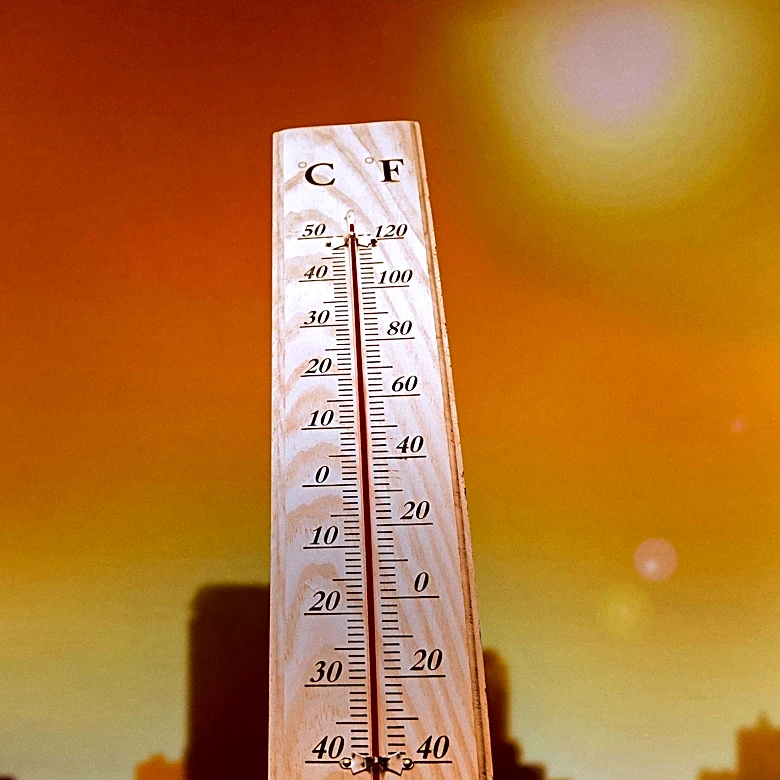
A significant heat dome is forecasted to intensify the already hot and dry summer across the Rocky Mountains. This high-pressure system is expected to persist for seven to ten days, potentially raising temperatures 10 to 15 degrees above normal and breaking
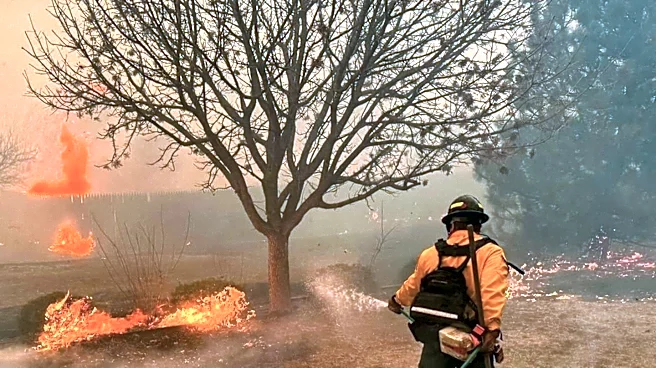
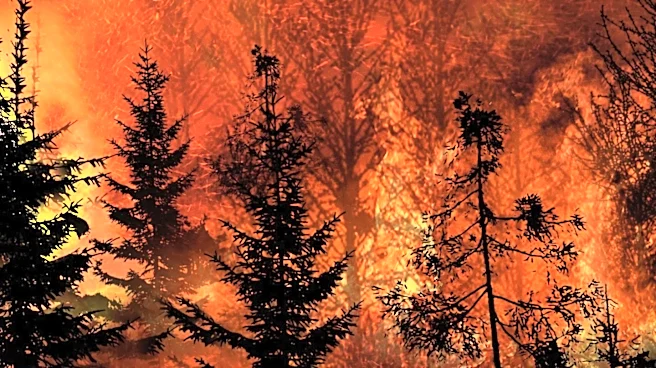
existing records. The heat dome could exacerbate fire conditions, making landscapes more flammable, although reduced wind may mitigate some fire risks. The phenomenon is notable for its geographic reach and intensity, with potential impacts on vulnerable populations, including those without reliable water access.
Why It's Important?
The intensifying heat dome highlights the growing challenges posed by climate change, particularly in terms of extreme weather events. The potential for record-breaking temperatures underscores the need for effective climate adaptation strategies, especially in rural and vulnerable communities. The heat wave could strain public health systems and increase the risk of heat-related illnesses. Additionally, the heightened fire risk poses a threat to ecosystems and communities, necessitating proactive measures to manage and mitigate fire hazards.
What's Next?
Communities across the affected regions are likely to implement heat mitigation strategies, such as opening cooling centers and advising residents on heat safety. Local governments and organizations may also focus on long-term climate resilience planning to better prepare for future extreme heat events. The situation will be closely monitored by meteorologists and climate scientists, who may use the data to further understand the impacts of climate change on regional weather patterns. Public awareness campaigns may be launched to educate residents on heat safety and fire prevention.