
What's Happening?
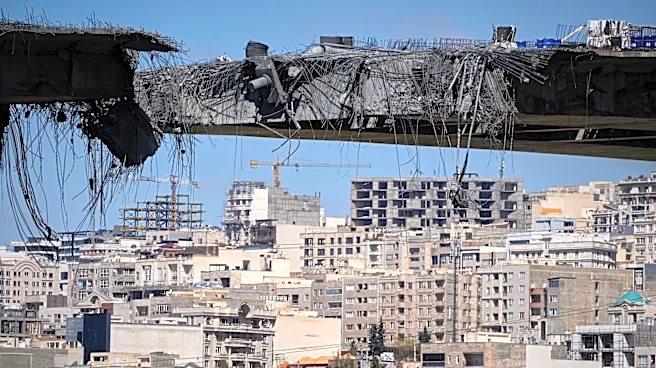
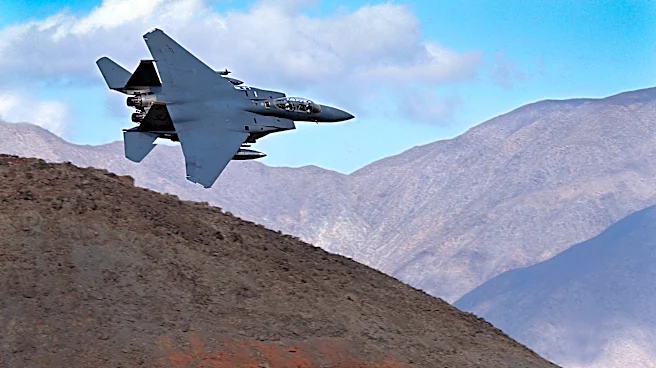
A U.S. military operation successfully rescued the navigator of an F-15E fighter jet shot down over southwestern Iran. The navigator was extracted after two days in hostile territory, thanks to the Combat
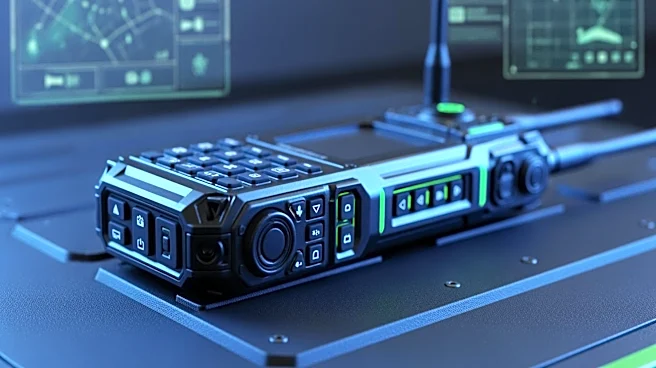
Survivor Evader Locator (CSEL) device. Manufactured by Boeing, the CSEL is a compact satellite-based communication tool integrated into the pilot's survival vest. It transmits encrypted data and location coordinates, making it difficult for enemy forces to detect. The device is designed to withstand extreme conditions, including submersion in water and high ejection forces. It features both line-of-sight and satellite communication capabilities, with an emergency button for distress signals. The CSEL's ability to send predefined encrypted messages allows for silent communication, crucial in avoiding detection by enemy electronic warfare systems.
Why It's Important?
The successful use of the CSEL device in this operation underscores its critical role in U.S. military rescue missions. The device's advanced communication capabilities and durability enhance the safety and effectiveness of personnel in hostile environments. This operation highlights the importance of technological innovation in military strategy, particularly in complex geopolitical regions like Iran. The CSEL's ability to evade advanced electronic warfare systems, reportedly supplied by China and Russia, demonstrates the U.S. military's capability to counter sophisticated threats. The operation also reflects the strategic importance of maintaining technological superiority in defense applications, which can have significant implications for U.S. military operations and international relations.
What's Next?
The success of the CSEL device in this mission may lead to further investment in similar technologies to enhance U.S. military capabilities. The operation could prompt a review of current rescue protocols and the integration of advanced communication tools in military training and equipment. Additionally, the geopolitical implications of the mission may influence U.S. defense policy and international military collaborations. The U.S. may also explore partnerships with allies to develop and share advanced rescue technologies, ensuring preparedness for future operations in hostile territories.
Beyond the Headlines
The use of the CSEL device raises questions about the ethical implications of advanced military technology in conflict zones. The ability to conduct silent and encrypted communications could shift the balance of power in military engagements, potentially leading to an arms race in communication technologies. Furthermore, the reliance on such devices highlights the increasing role of technology in modern warfare, which may impact the traditional skills and training of military personnel. The operation also underscores the importance of cybersecurity in protecting sensitive military communications from adversaries.