
What's Happening?
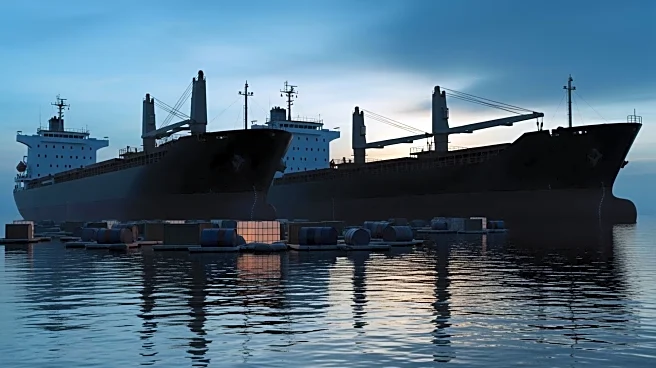
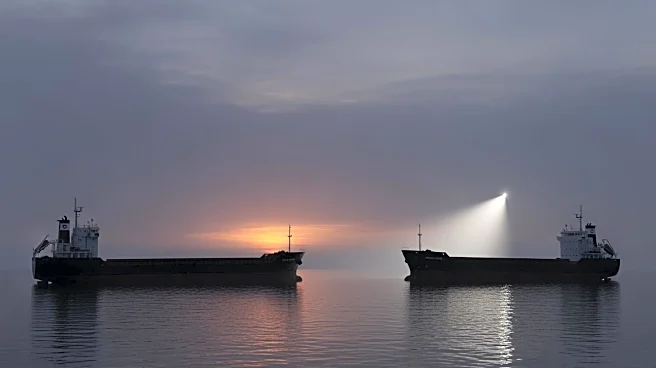
The U.S. Coast Guard has seized the tanker Skipper, a stateless vessel, in international waters for alleged violations of sanctions on Iran's energy industry. The capture was authorized by a federal court
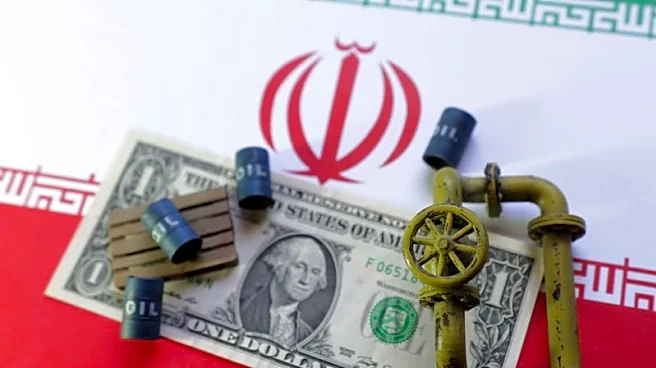
and marks a rare execution of an arrest warrant in such a context. The Skipper, which was transporting approximately 1.85 million barrels of crude oil, is believed to be part of a 'shadow fleet' that supports regimes in Iran and Venezuela by transporting illicit and U.S.-sanctioned oil. The activist group United Against Nuclear Iran (UANI) has praised the U.S. action, highlighting the importance of such interdictions in curbing the financial resources of these regimes.
Why It's Important?
This seizure underscores the U.S. commitment to enforcing sanctions against Iran and Venezuela, aiming to disrupt the financial networks that support these regimes. The action could have significant implications for international shipping and oil markets, as it highlights the risks associated with transporting sanctioned goods. It also sends a strong message to other vessels involved in similar activities, potentially deterring future violations. The economic impact is notable, with the seized oil valued at over $90 million, and the vessel itself having a demolition value of up to $15 million. This move may influence U.S. foreign policy and international relations, particularly with countries involved in the shadow fleet.
What's Next?
The U.S. may continue to target other vessels in the shadow fleet, as there are reportedly 396 more linked to Venezuela alone. The Office of Foreign Asset Control (OFAC) has already added six more Venezuela-linked vessels to its list of sanctioned entities. These actions could lead to increased tensions with countries harboring these ships and may prompt diplomatic discussions or negotiations. The international community will likely monitor the situation closely, as further seizures could impact global oil supply chains and maritime security.