







What's Happening?
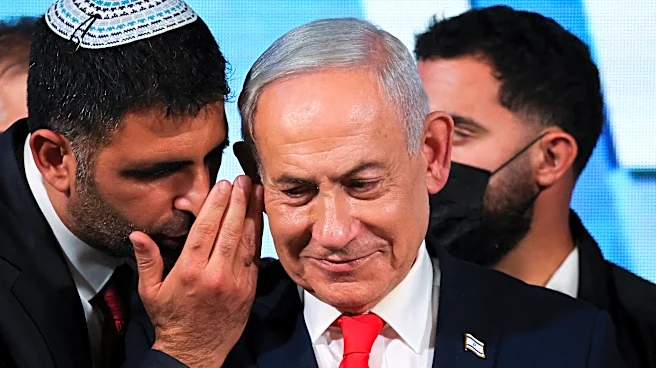
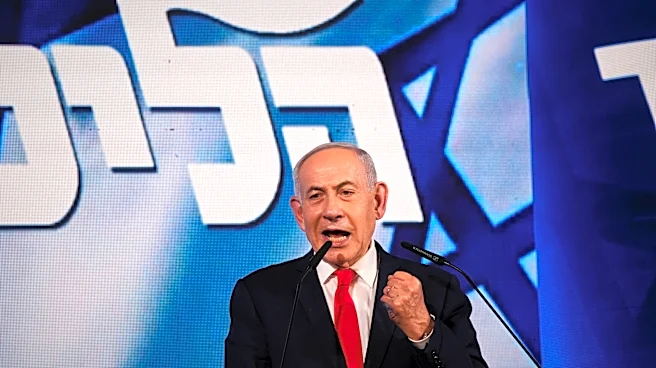
Benjamin Netanyahu, at 77, continues to be a central figure in Israeli politics, demonstrating remarkable resilience despite diplomatic crises, widespread protests, judicial investigations, and the significant security failure of the October 7 attack.
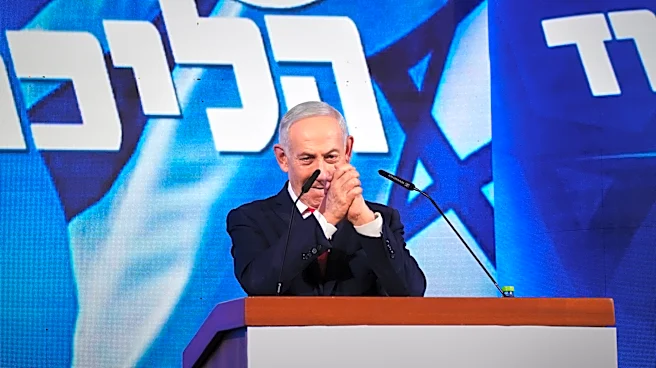
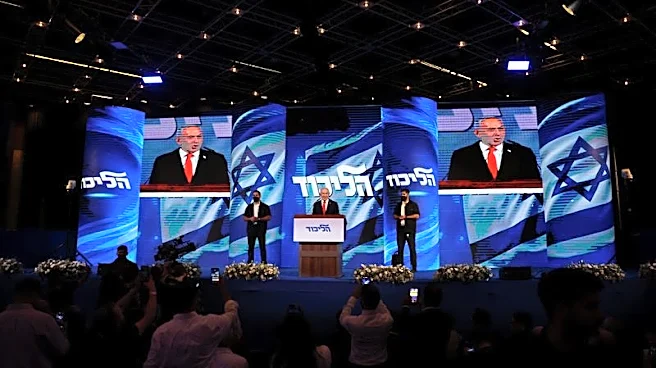
His Likud party emerged as the most voted force in recent elections, though his bloc lost its parliamentary majority. Netanyahu's political approach is deeply influenced by his family background, including his father's Revisionist Zionism and his brother Yonatan's death during the Entebbe operation. He served as Israel's ambassador to the United Nations from 1984 to 1988, honing his communication skills and understanding the importance of the relationship with Washington. The October 7 Hamas attack, which resulted in 1,200 deaths and 251 hostages, challenged his primary political argument of security. However, Netanyahu attributed the failure to intelligence services and military commanders, rejecting calls for an independent state commission of inquiry.
Why It's Important?
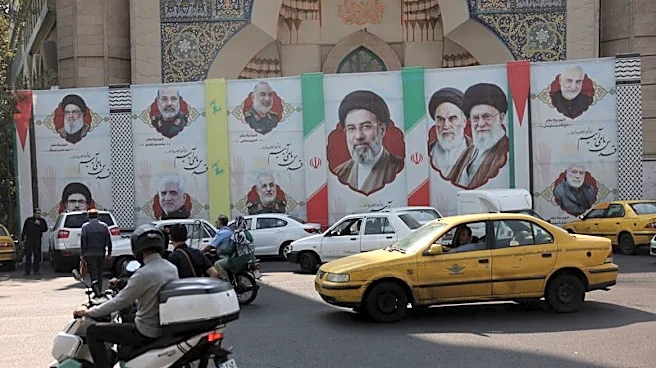
Netanyahu's enduring presence in Israeli politics, despite numerous challenges, highlights the deep-seated political divisions and the complex nature of coalition-building in the country. His ability to navigate crises and maintain power, often by forming alliances with ultra-Orthodox and nationalist parties, has shaped Israel's domestic and foreign policies for decades. The rejection of an independent inquiry into the October 7 attack is particularly significant, as it raises questions about accountability and transparency at the highest levels of government. This stance could further polarize public opinion and potentially undermine trust in governmental institutions. His focus on external threats, particularly Iran, has been a consistent theme in his narrative, influencing national security priorities and international relations, especially with the United States.
What's Next?
With his bloc having lost its parliamentary majority, Netanyahu faces a challenging path to forming a stable government. The political landscape will likely be characterized by intense negotiations and potential shifts in alliances. The ongoing trial against him for bribery, fraud, and breach of trust will continue to cast a shadow over his political future, regardless of his electoral performance. The international community, particularly the United States, will closely watch the formation of the next Israeli government and its approach to regional conflicts and the Palestinian issue. The unresolved questions surrounding the October 7 attack and the refusal for an independent inquiry will likely remain a point of contention, both domestically and internationally, potentially impacting Israel's diplomatic standing.
Beyond the Headlines
Netanyahu's political longevity and his methods of maintaining power reveal deeper trends in Israeli society and governance. His strategy of leveraging the fragmented parliamentary system and appealing to a narrative of external threats has contributed to a highly polarized political environment. The tension between his government and institutions like the judiciary and media, which he has often portrayed as adversaries, reflects a broader global trend of populist leaders challenging established democratic norms. The long-term implications include potential erosion of institutional checks and balances, and a deepening of societal divisions. His ability to turn crises into opportunities for survival also raises questions about the resilience of democratic accountability in times of national security challenges.