





What's Happening?
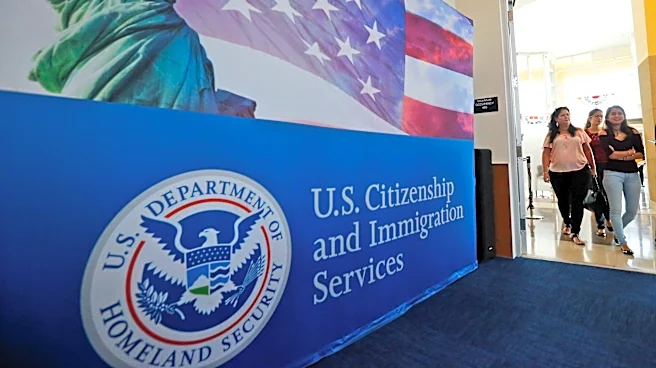
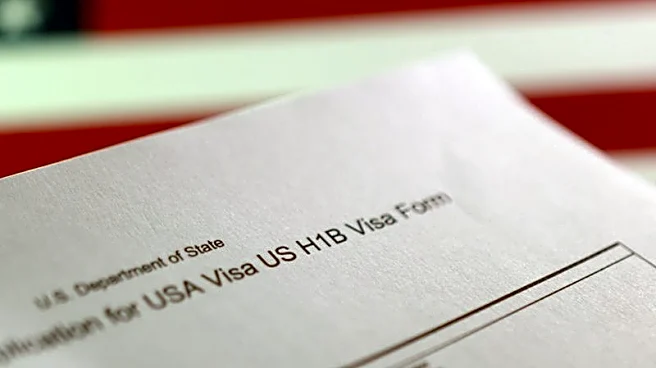
The Trump administration is set to introduce a new expedited visa interview service for foreign nationals seeking business or tourist visas to the United States. This service, which will cost applicants an additional $750 on top of the standard $185 visa fee,
aims to schedule interviews within 10 days of payment at select U.S. embassies and consulates. The pilot program, as reported by the Associated Press, will commence on July 1 and run until December 31, with the possibility of extension based on demand. This initiative is part of broader efforts by the administration to tighten immigration controls, which have included increased visa processing fees and more stringent vetting procedures. The expedited service, however, does not guarantee visa issuance, and the specific embassies offering this service will be announced prior to the program's start.
Why It's Important?
This development is significant as it reflects the Trump administration's ongoing efforts to regulate and control immigration more strictly. By introducing a premium service for expedited visa interviews, the administration is addressing the long wait times that have been a source of frustration for many visa applicants. This move could potentially benefit U.S. businesses and tourism by facilitating quicker entry for foreign nationals, thereby supporting economic activities that rely on international visitors. However, the high cost of the expedited service may limit access to wealthier applicants, potentially impacting diversity among visa holders. Additionally, the program's success and continuation will depend on its reception and demand, which could influence future immigration policy decisions.
What's Next?
The next steps involve the announcement of the specific embassies and consulates where the expedited service will be available. Stakeholders, including businesses and tourism sectors, will likely monitor the program's impact on visa processing times and international travel. If the pilot program proves successful, it may lead to a permanent implementation or expansion. Conversely, if demand is low or if the program faces significant criticism, adjustments or discontinuation could occur. The administration's broader immigration policies will continue to evolve, potentially affecting future visa processing and international relations.