
What's Happening?
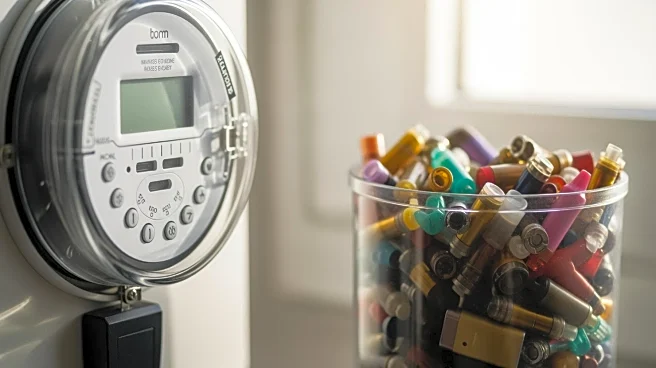
Engineer Chris Doel has successfully repurposed disposable vape waste to power a home, marking a significant step in sustainable energy solutions. Initially, Doel used the batteries from disposable vapes
to power his e-bike. Building on this concept, he expanded the project by utilizing 500 batteries to generate electricity for a household. This innovative approach highlights the potential of reusing electronic waste to create alternative energy sources. The project was featured in a segment by NBC News, where Doel discussed the technical aspects and the environmental benefits of his work. This development underscores the growing interest in finding sustainable solutions to electronic waste, which is a significant environmental concern.
Why It's Important?
The initiative by Chris Doel is crucial as it addresses the dual challenges of electronic waste management and sustainable energy production. Electronic waste, including disposable vapes, poses a significant environmental threat due to the hazardous materials they contain. By repurposing these materials, Doel's project not only reduces waste but also provides a renewable energy source. This approach could inspire further innovations in the field of sustainable technology, encouraging others to explore similar methods of waste repurposing. Additionally, it highlights the potential for individuals and small-scale projects to contribute to broader environmental goals, such as reducing carbon footprints and promoting renewable energy.
What's Next?
The success of Doel's project could lead to increased interest and investment in similar sustainable energy initiatives. As awareness grows, there may be opportunities for collaboration with environmental organizations and tech companies to scale up such projects. Additionally, regulatory bodies might consider supporting these initiatives through grants or policy incentives aimed at reducing electronic waste. The project could also inspire educational programs focused on sustainable engineering and environmental science, encouraging the next generation of engineers to prioritize eco-friendly solutions.