

What's Happening?
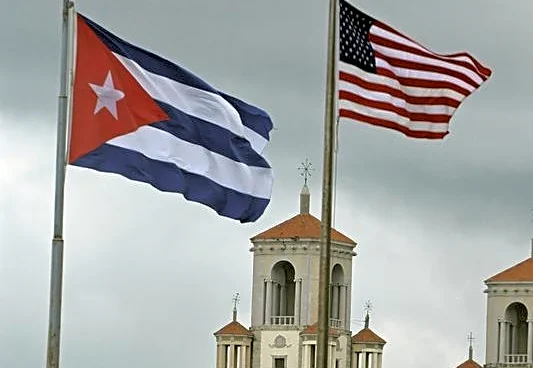
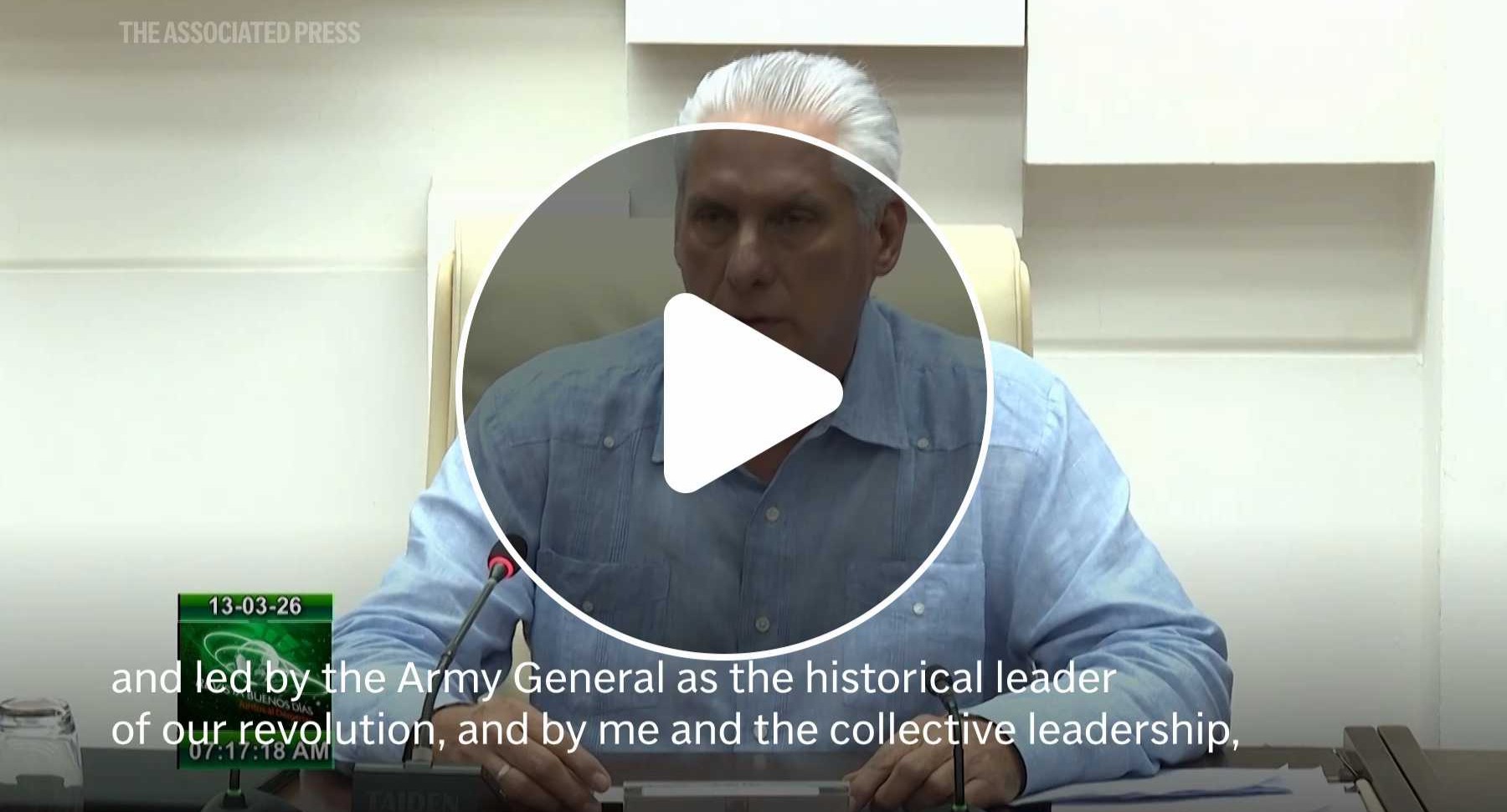
Cuban President Miguel Díaz-Canel announced that Cuba has recently engaged in talks with the United States to address bilateral differences. This marks the first official confirmation of such discussions by the Cuban government. The talks aim to find
solutions through dialogue, facilitated by international factors, although specific details were not disclosed. The announcement comes amid a severe energy crisis in Cuba, exacerbated by a U.S. energy blockade that has halted petroleum shipments to the island for the past three months. This blockade has led to widespread power outages, affecting essential services such as communications, education, and healthcare. In response, Cuba has implemented measures like converting bakeries to run on firewood or coal and installing solar panels to mitigate the impact. Despite these efforts, the energy shortage continues to hinder production and daily life.
Why It's Important?
The recent talks between Cuba and the U.S. are significant as they represent a potential thaw in relations between the two countries, which have been strained for decades. The energy crisis in Cuba highlights the broader implications of U.S. sanctions, which have severely impacted the island's economy and infrastructure. The discussions could pave the way for easing these sanctions, potentially improving living conditions in Cuba and stabilizing the region. For the U.S., engaging with Cuba could enhance diplomatic relations and address regional security concerns. The outcome of these talks could also influence U.S. foreign policy in Latin America, particularly regarding sanctions and energy diplomacy.
What's Next?
If the talks progress positively, there could be a gradual easing of U.S. sanctions on Cuba, allowing for the resumption of critical oil shipments and other economic activities. Both countries may explore areas of cooperation to address mutual concerns, such as regional security and economic development. However, the success of these talks will depend on the willingness of both parties to make concessions and respect each other's political systems. The international community will likely monitor these developments closely, as they could have broader implications for U.S.-Latin American relations.
Beyond the Headlines
The energy crisis in Cuba underscores the vulnerability of nations heavily reliant on external energy sources and the impact of geopolitical tensions on domestic affairs. The situation highlights the need for sustainable energy solutions and the potential benefits of renewable energy investments. Additionally, the talks could set a precedent for resolving other longstanding international disputes through dialogue and cooperation, emphasizing the importance of diplomacy in addressing global challenges.