





What's Happening?
Drone technology is increasingly being adopted by producers to enhance crop management and optimize input use. According to Hylio CEO Arthur Erickson, drones allow for precise identification of problem areas in fields, enabling targeted treatments rather
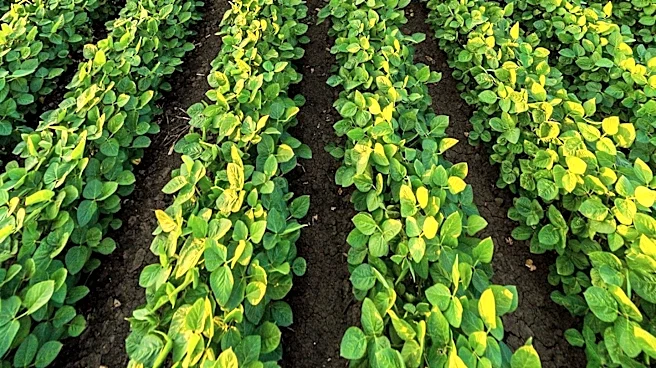
than full-field applications. This approach not only reduces input costs but also protects crop yields. In northeast Nebraska, where dry weather is affecting crops, drones are becoming a valuable tool for producers. The technology offers a cost-effective alternative to traditional spray equipment, allowing for more efficient management of agricultural operations.
Why It's Important?
The integration of drone technology in agriculture represents a significant advancement in precision farming. By enabling targeted applications, drones help reduce the overall use of inputs such as herbicides and fertilizers, leading to cost savings for farmers. This precision also minimizes environmental impact by reducing chemical runoff. As agricultural producers face increasing pressure from climate variability and economic challenges, the adoption of innovative technologies like drones can enhance productivity and sustainability. The ability to quickly identify and address crop issues can lead to improved yields and profitability for farmers.
What's Next?
As drone technology continues to evolve, its role in agriculture is expected to expand. Producers may increasingly rely on drones for a variety of tasks, including crop monitoring, disease detection, and yield estimation. Continued advancements in drone capabilities and reductions in costs could make this technology accessible to a broader range of farmers. Additionally, regulatory developments and industry standards will play a role in shaping the future use of drones in agriculture. Ongoing research and collaboration between technology providers and agricultural stakeholders will be crucial in maximizing the benefits of drone technology.