






What's Happening?
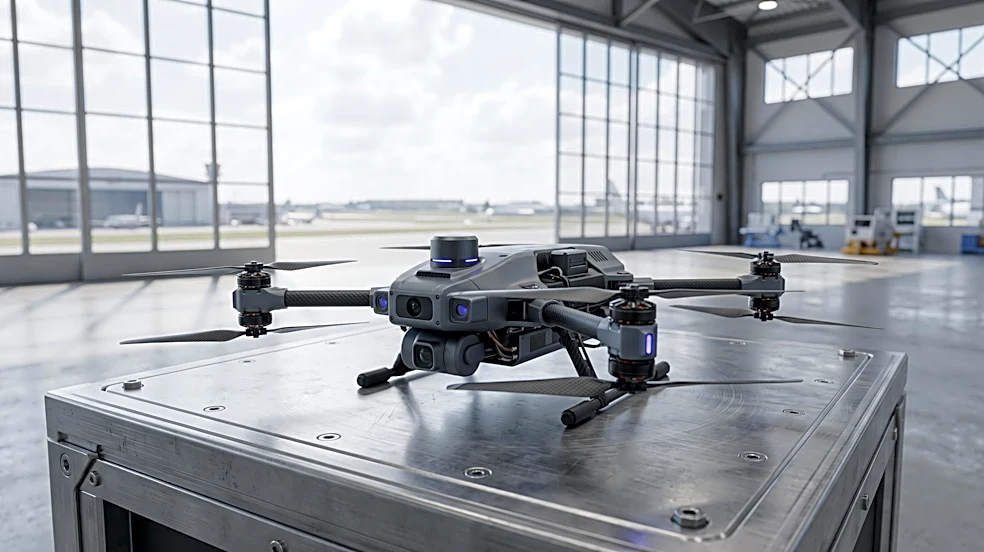
High Lander, an Israeli drone software company, has announced that its total funding has reached $30 million following new investments from EDGE Group, STEP, Protego, and Kinetica. The company, founded in 2018, specializes in software for managing autonomous
aircraft, drone fleets, and airspace operations through its Orion and Vega platforms. With this new funding, High Lander plans to expand its operations into the United States and enter new markets within the defense and homeland security sectors. A key part of this expansion is its new AI-powered platform, Andromeda, designed to integrate information from various detection and monitoring systems to create a unified operational picture of low-altitude airspace, distinguishing authorized flights from unauthorized ones.
Why It's Important?
High Lander's expansion into the U.S. defense market is significant given the increasing strategic importance of drone technology and airspace management for national security. The U.S. military and homeland security agencies are actively seeking advanced solutions to counter the growing threat of unauthorized drones and to manage the integration of autonomous systems into national airspace. High Lander's Andromeda platform, with its AI-powered capabilities for threat detection, classification, and tracking, could provide a crucial tool for these efforts. This move also highlights the U.S.'s reliance on international partnerships for cutting-edge defense technologies. For the U.S. defense industry, it introduces a new player with specialized expertise, potentially fostering competition and innovation in the counter-drone and airspace management sectors. The investment also signals confidence in the long-term growth of the autonomous aviation market.
What's Next?
With the new funding, High Lander will focus on expanding its presence and operations within the United States. This will likely involve establishing partnerships with U.S. defense contractors, government agencies, and potentially opening U.S.-based offices or research facilities. The company will also continue to develop and refine its Orion, Vega, and Andromeda platforms, tailoring them to meet the specific requirements of the U.S. defense and homeland security markets. Demonstrations and pilot programs with U.S. military branches or security organizations are probable next steps to showcase the capabilities of their technology. The goal is to integrate their software as a foundational layer for managing autonomous aviation systems and securing low-altitude airspace in the U.S.
Beyond the Headlines
The increasing sophistication of drone technology, both for civilian and military applications, presents complex challenges for airspace management and national security. High Lander's focus on creating a unified aerial picture and distinguishing between authorized and unauthorized flights addresses a critical need in an era where drones can be used for surveillance, delivery, or malicious purposes. This technology touches upon ethical considerations regarding privacy and surveillance, as well as legal frameworks for regulating drone operations in increasingly crowded low-altitude airspace. The integration of AI into such systems also raises questions about autonomous decision-making in security contexts. The company's vision to become the software layer connecting autonomy, aviation, and security points to a future where airspace control is highly automated and data-driven, with significant implications for both civilian and military air traffic management.