






What's Happening?
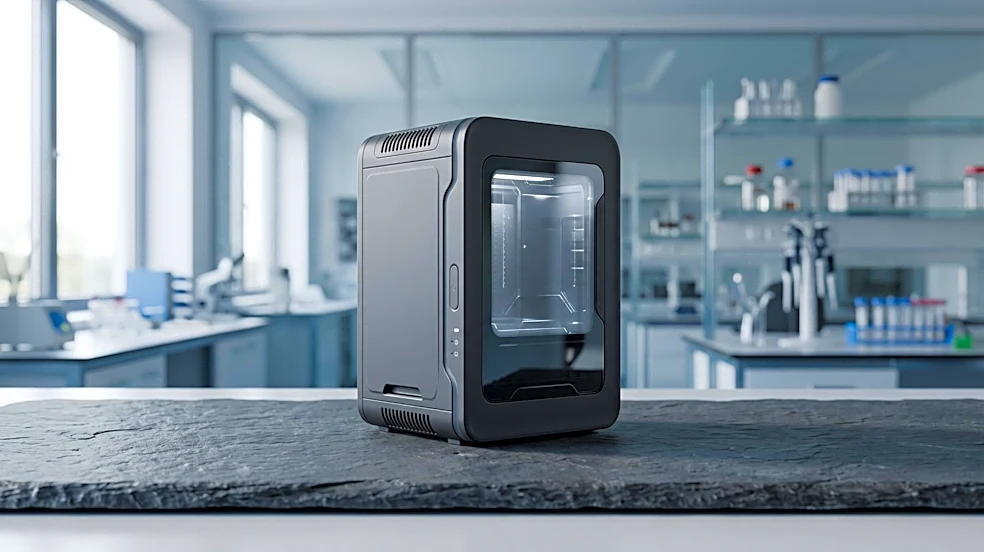
The BIOFIRE Global Fever Special Pathogens Panel, manufactured by BioFire Defense, a bioMérieux company, has received Emergency Use Listing (EUL) from the World Health Organization (WHO). This listing is intended to support the ongoing Ebola response,
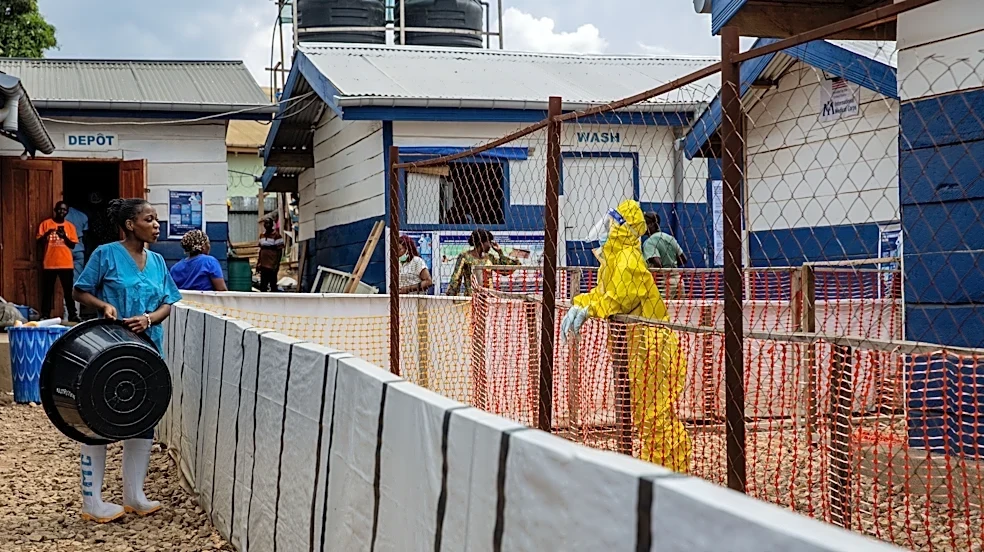
particularly in the context of the Ebola Bundibugyo outbreak in the Democratic Republic of the Congo and neighboring countries. The molecular panel is capable of detecting 16 pathogens, including multiple Ebola viruses, malaria parasites, Marburg virus, West Nile virus, Lassa virus, and Bundibugyo ebolavirus, from a single whole blood sample within approximately one hour. This rapid differential testing is crucial for identifying suspected cases, guiding patient management, supporting contact tracing, and limiting disease transmission, especially since many acute febrile illnesses present with similar symptoms. The panel is also cleared by the U.S. Food and Drug Administration (FDA) and recommended by the U.S. Centers for Disease Control and Prevention (CDC) for the current outbreak response.
Why It's Important?
The WHO's Emergency Use Listing for this molecular panel significantly enhances global and U.S. capabilities in responding to infectious disease outbreaks. For the U.S., this means that a diagnostic tool already approved by the FDA and recommended by the CDC now has international validation, facilitating its deployment and acceptance in global health initiatives where the U.S. is often a key partner. Rapid and accurate diagnosis is critical in containing outbreaks, preventing wider transmission, and protecting public health both domestically and internationally. This technology can help U.S. public health agencies and international aid organizations to more effectively manage resources, implement targeted interventions, and safeguard communities. The availability of such a comprehensive and rapid diagnostic tool can reduce the burden on healthcare systems, improve patient outcomes, and potentially prevent outbreaks from escalating into larger-scale health emergencies that could eventually impact U.S. borders. It also underscores the importance of private sector innovation in global health security.
What's Next?
With the WHO EUL, the BIOFIRE Global Fever Special Pathogens Panel gains an accelerated pathway for consideration by health authorities, international organizations, and procurement partners worldwide for outbreak response and future preparedness. BioMérieux is expected to continue its efforts in expanding manufacturing capacity, accelerating delivery of instruments and assays, and providing training and on-site support for laboratory professionals in affected regions. The company has already supplied instruments and reagents to Rwanda and Uganda and is deploying additional systems in the Democratic Republic of the Congo. This listing will likely lead to broader adoption and deployment of the panel in other regions at risk of similar outbreaks, strengthening global diagnostic capabilities. Future developments may include further enhancements to the panel to detect additional emerging pathogens or integration into broader public health surveillance systems.
Beyond the Headlines
The approval of this molecular panel highlights a broader trend in global health: the increasing reliance on rapid, multiplex diagnostic technologies to combat emerging infectious diseases. This shift moves beyond single-pathogen tests to comprehensive panels that can quickly differentiate between multiple threats, which is vital in complex epidemiological landscapes. Ethically, this technology raises questions about equitable access, particularly in resource-limited settings where the burden of such diseases is often highest. While the EUL facilitates deployment, ensuring affordability and widespread availability remains a challenge. Legally, the EUL process itself represents an adaptive regulatory mechanism designed to expedite critical tools during emergencies, balancing speed with safety and efficacy. Culturally, the ability to rapidly diagnose and contain outbreaks can build public trust in health authorities and scientific interventions, which is crucial for effective public health responses. This development also underscores the ongoing arms race between pathogens and diagnostic innovation, pushing the boundaries of medical technology.