






What's Happening?
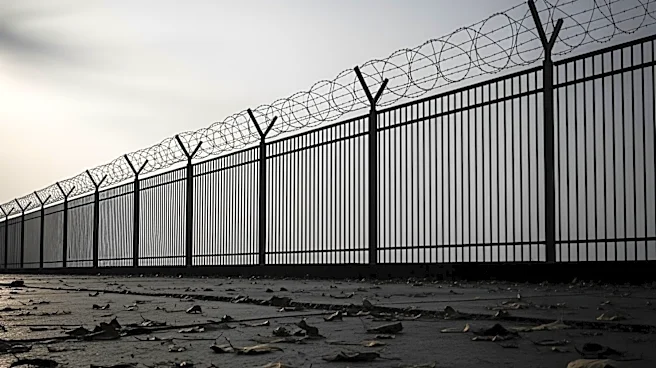
An investigation by the Associated Press has revealed a concerning increase in suicide rates among detainees held by Immigration and Customs Enforcement (ICE) since President Trump took office in January 2025. At least 10 detainees have died by suicide,
a significant rise compared to previous years. The report highlights systemic failures in the detention centers, including inadequate mental health care and poor oversight. Many of the deceased were Hispanic men with no violent criminal records, contradicting the administration's portrayal of detainees as dangerous individuals. The report also notes that ICE facilities have repeatedly violated their own standards, failing to provide timely medical and mental health care, and often placing distressed detainees in isolation, exacerbating their mental health issues.
Why It's Important?
The increase in suicides among ICE detainees underscores significant human rights concerns within the U.S. immigration detention system. The findings suggest systemic neglect and inadequate mental health support, raising questions about the ethical and legal responsibilities of ICE and the Trump administration. This situation could lead to increased scrutiny and pressure from human rights organizations, potentially influencing public opinion and policy changes. The report also highlights the broader implications of the administration's aggressive deportation policies, which may be contributing to the mental health crisis among detainees. The issue is likely to impact U.S. immigration policy discussions and could lead to calls for reform and improved oversight of detention facilities.
What's Next?
The report may prompt investigations and calls for accountability from lawmakers and human rights organizations. There could be increased advocacy for policy changes to improve conditions in detention centers and ensure better mental health care for detainees. The Trump administration may face legal challenges and public pressure to address these issues. Additionally, the findings could influence future immigration policies and the administration's approach to detention and deportation. The situation may also lead to increased international scrutiny and criticism of U.S. immigration practices.