
What's Happening?
Turkey and the United Nations are organizing a new round of talks with Ukraine and Russia to discuss a potential Black Sea ceasefire and the protection of grain shipments. These discussions, expected in early
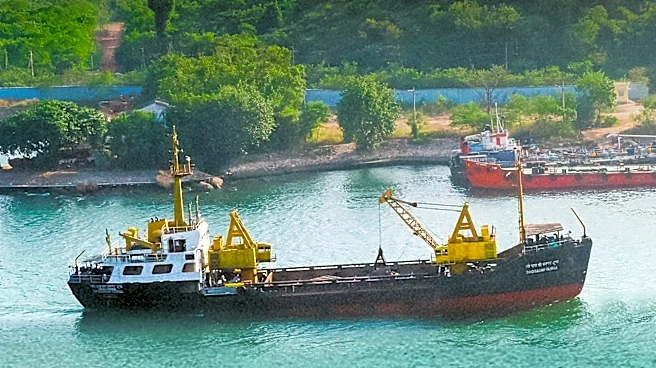
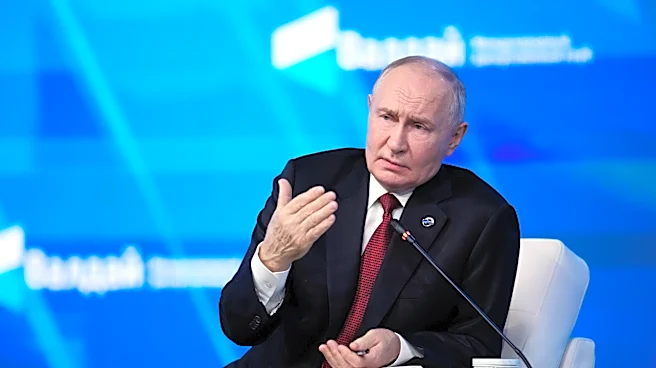
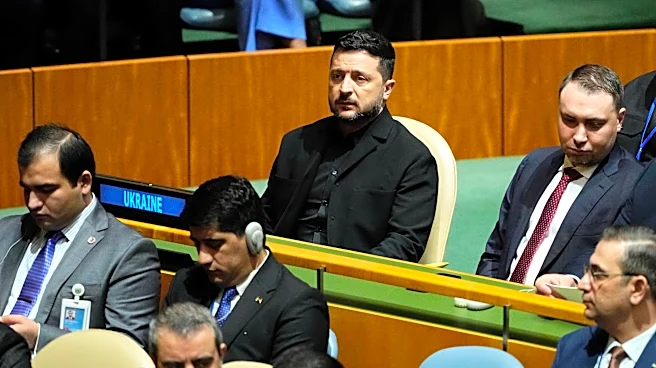
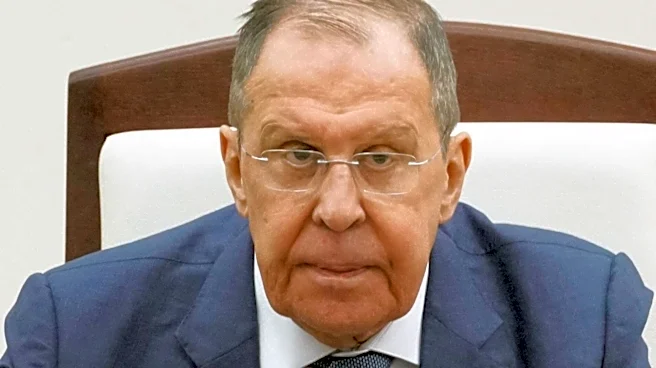
October, aim to consolidate diplomatic efforts around safe commercial navigation and the safeguarding of port and energy infrastructure. The initiative draws inspiration from the 2022 Black Sea Grain Initiative, which successfully facilitated the export of grain, food, and fertilizers from Ukrainian ports. While Turkish officials have indicated a positive response from Ukraine regarding the re-establishment of a safe grain corridor, Ukraine has expressed skepticism, stating that there are no immediate signs of an agreement being reached. Russia's stance remains a significant hurdle, with President Putin rejecting proposals for a reciprocal halt to strikes in the Black Sea, and Russian Foreign Minister Sergei Lavrov deeming a return to the 2022 agreement format as 'unrealistic.' A closed-door meeting in late September, involving representatives from Turkey, the US, Europe, India, and Egypt, already discussed a narrowly defined reciprocal arrangement for free commercial navigation and the protection of ports and energy facilities.
Why It's Important?
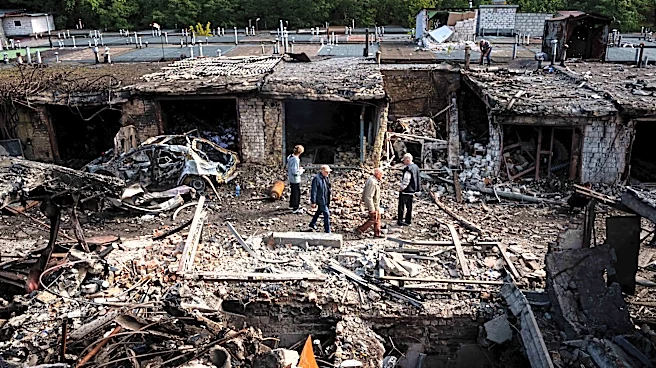
The ongoing disruptions in the Black Sea region pose a substantial threat to global food security, as Ukraine and Russia collectively account for over a quarter of the world's wheat shipments. Intensified attacks on Black Sea port infrastructure exacerbate these risks, pushing more Ukrainian grain into storage and depressing domestic prices. The inability to secure safe shipping routes leads to higher logistics costs and limits Ukraine's export capacity, despite abundant harvests. This situation contributes to elevated global agricultural commodity prices, disproportionately affecting countries most vulnerable to rising food costs. The lack of a functional grain corridor also impacts the profitability of Ukrainian farmers, potentially leading to reduced winter wheat planting in the future. The current environment creates a 'security premium' in global wheat futures, where prices are more reactive to geopolitical headlines than to fundamental supply and demand changes, introducing volatility and uncertainty into international markets.
What's Next?
The upcoming talks in early October, mediated by the Swiss-based Centre for Humanitarian Dialogue, will focus on establishing a framework for safe commercial navigation and protecting critical infrastructure. The success of these discussions hinges on Russia's willingness to reconsider its position on a reciprocal halt to Black Sea strikes. Should an agreement be reached, it could alleviate pressure on global food prices and improve export flows from Ukraine, benefiting importing nations and stabilizing international grain markets. Conversely, continued Russian opposition and attacks on port infrastructure would likely prolong the current logistical challenges, keeping Ukrainian grain exports constrained and maintaining upward pressure on global food commodity prices. The international community will be closely watching for any signs of progress, as the outcome will have significant implications for global food supply chains and humanitarian efforts.
Beyond the Headlines
The persistent challenges in establishing a secure Black Sea grain corridor highlight the complex interplay between geopolitical conflict, economic stability, and humanitarian concerns. Beyond the immediate impact on food prices, the situation underscores the vulnerability of global supply chains to regional conflicts and the critical role of international diplomacy in mitigating their broader consequences. The repeated rejections of proposals for safe passage by Russia raise questions about the long-term viability of international agreements in conflict zones and the erosion of norms around protecting civilian infrastructure and trade routes. Furthermore, the reliance on a few key regions for a significant portion of global food supply exposes systemic risks that could prompt a re-evaluation of agricultural diversification strategies and regional food security initiatives worldwide. The ethical implications of weaponizing food supply in conflict also come to the forefront, impacting millions globally.